
Kazakhstan replaces bicameral parliament with 145-seat Kurultai
This digest was compiled by AI from multiple sources — links to the originals are below.
Kazakhstan's bicameral parliament, the Senate and Majilis, ceased operations on July 1, 2026, replaced by a unicameral body called the Kurultai. The transition follows a constitutional referendum and aims to make lawmaking faster and more transparent. The first Kurultai election features 546 candidates from seven parties competing for 145 seats.
Key Facts
- Kazakhstan's Senate and Majilis ceased operations on July 1, 2026, replaced by the unicameral Kurultai.
- The Kurultai will have 145 deputies elected for five-year terms, with presidential and Assembly of People of Kazakhstan quotas abolished.
- 546 candidates from seven registered political parties are competing for the 145 seats in the first Kurultai election.
- The new parliament will have a chairman elected by secret ballot, no more than three deputy chairmen, and a maximum of eight standing committees.
- Nearly 50 draft laws are on the agenda, including bills on self-employment, digital platforms, passenger transport, and support for children with disabilities.
Transition to Unicameral System
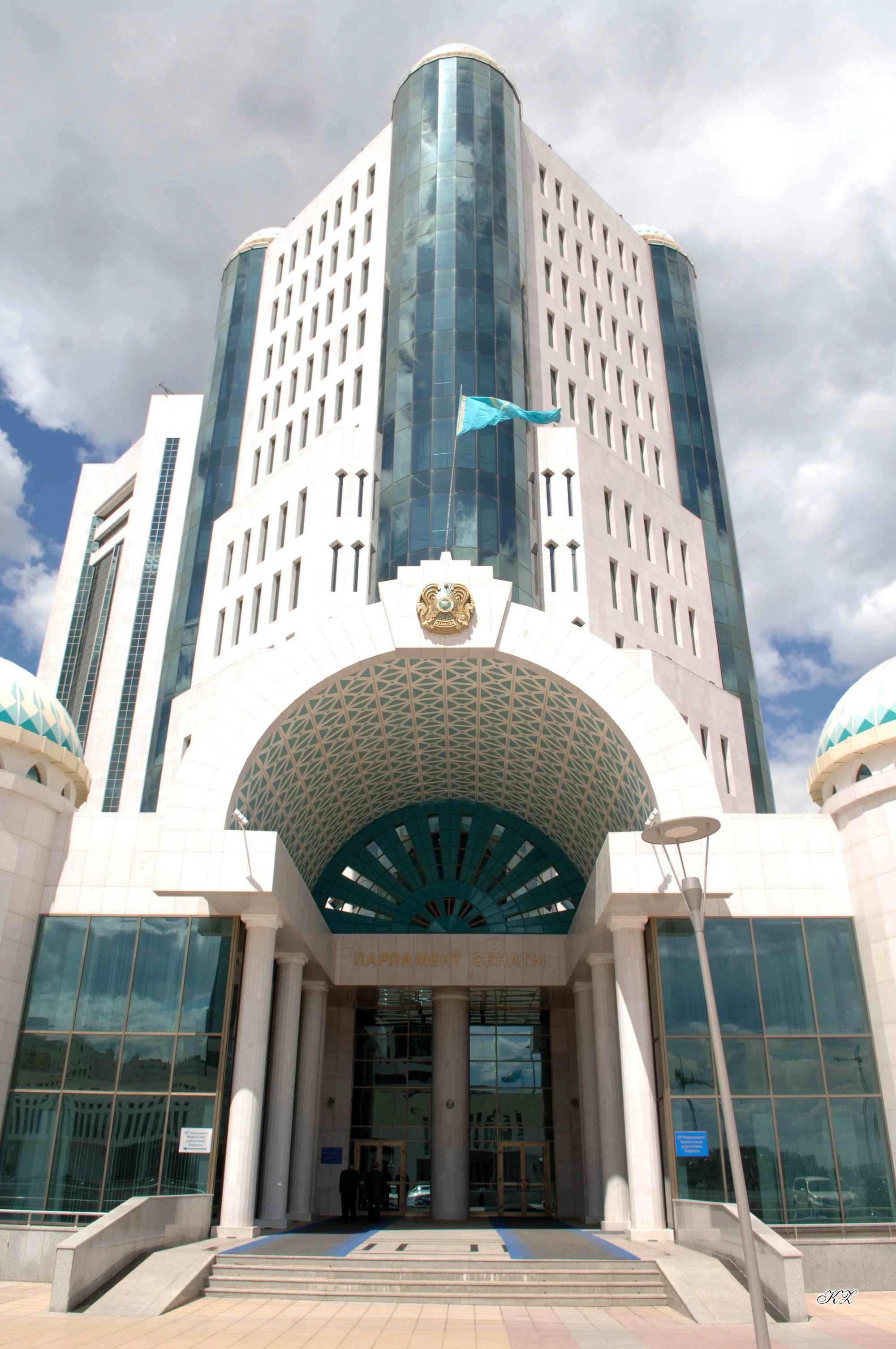
Kazakhstan's two-chamber parliament, consisting of the Senate and the Majilis, officially ceased its activities on July 1, 2026. The new unicameral body is named the Kurultai, and the change follows a republican constitutional referendum. The stated goal of the reform is to make the legislative process faster, more open, and more transparent. Signs on the buildings of the Majilis and Senate have been replaced with the official name 'Kurultai', and the parliament's Telegram channel and online profiles have been renamed.
First Kurultai Election
The formation of the first Kurultai convocation is in its final stage, with 546 candidates from seven registered political parties vying for 145 deputy mandates. The election uses a fully proportional system, with an average of nearly four candidates per seat. Political analysts note that the shift to a party-list-only parliament increases parties' accountability to voters and speeds up responses to citizens' social demands.
Legislative Agenda
Nearly 50 draft laws are on the agenda, including documents on eliminating legal gaps in self-employment regulation, digital platforms, and passenger transport. According to the Majilis website, 49 draft laws were under consideration in the lower chamber before its dissolution. Among them is a bill on comprehensive support for children with disabilities, which could serve as a basis for support in healthcare, education, and social protection.
1 source
Time · lag behind first