
Kazakhstan replaces bicameral parliament with 145-seat Kurultai after referendum
This digest was compiled by AI from multiple sources — links to the originals are below.
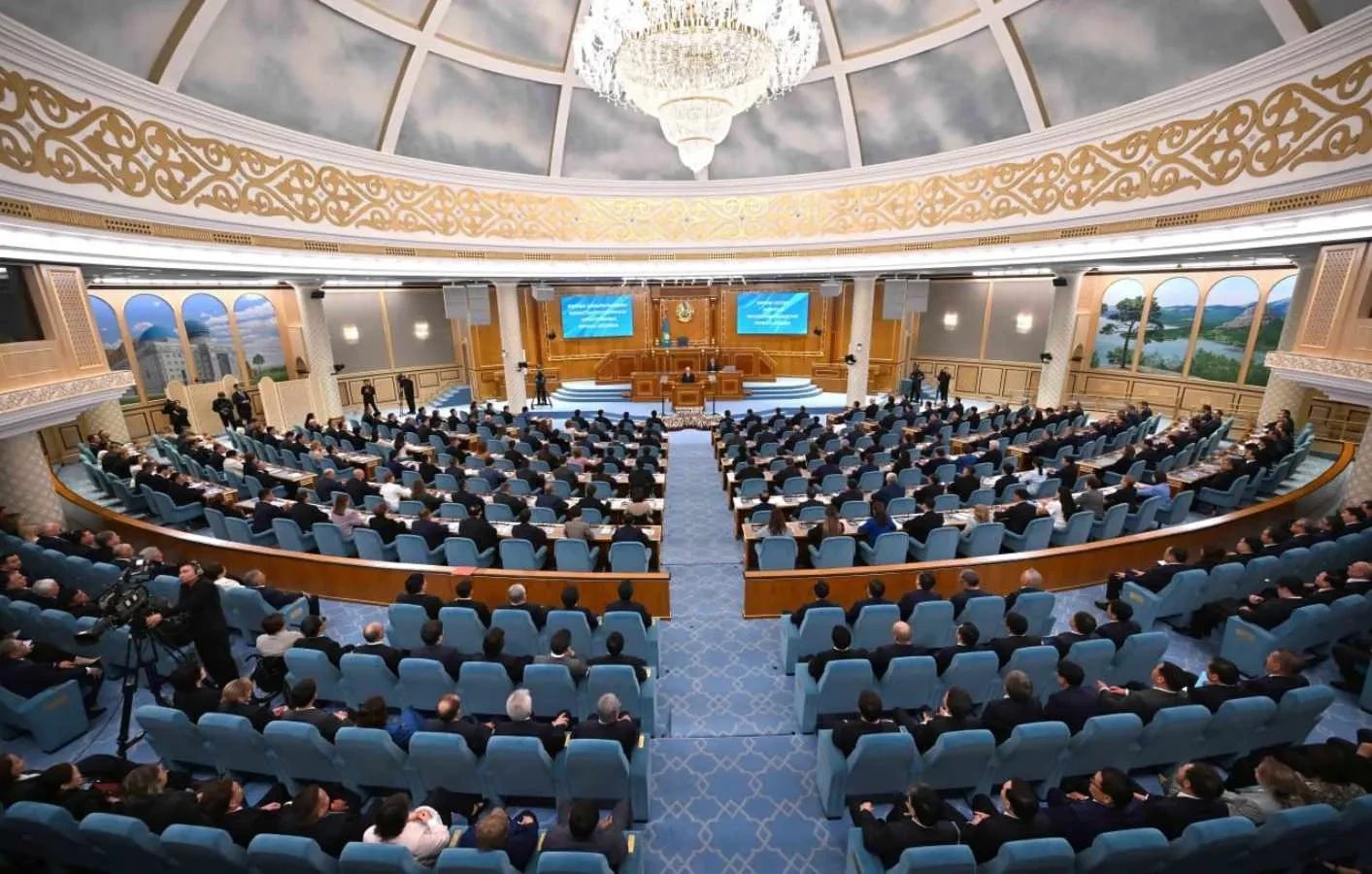
Kazakhstan's new unicameral Kurultai has begun work, replacing the bicameral parliament after the March 15, 2026 referendum. The 145 deputies were elected for five years under a proportional party-list system. Legal experts say the single-chamber structure may speed up lawmaking but warn that quality and deputy experience remain risks.
Key Facts
- The Kurultai replaced the Majilis and Senate on July 1, 2026, following the March 15, 2026 constitutional referendum.
- All 145 deputies were elected for five-year terms from a single nationwide constituency using proportional party lists.
- The Kurultai has eight standing committees and elected its chair and deputy chairs.
- President Kassym-Jomart Tokayev said the name Kurultai links the new body to Kazakh historical decision-making traditions.
- Legal scholar Alua Ibrayeva said the unicameral system may accelerate lawmaking but requires experienced deputies and expert consultation.
Transition to Unicameral System
Before the reform, Kazakhstan's parliament consisted of the Majilis and the Senate, with bills reviewed sequentially by both chambers. The March 15, 2026 referendum approved a new constitution that abolished the two-chamber structure. On July 1, 2026, the Kurultai began operating as the sole legislative body with 145 deputies. The Kurultai is defined as the highest representative body exercising legislative power in Kazakhstan.
Lawmaking Process and Expert Views
Legal scholar Alua Ibrayeva said the single-chamber system may speed up lawmaking because bills no longer move between two chambers. She noted that the previous system sometimes returned bills between chambers, consuming time. Ibrayeva warned that new deputies need legislative experience and should work with experts and lawyers to maintain legal quality. President Tokayev said the Kurultai should energize the state apparatus and improve the quality of national legislation.
Election of Deputies
All 145 deputies were elected from a single nationwide constituency under a proportional system using party lists. The deputies were elected for five-year terms. The Kurultai formed eight standing committees and elected its chair and deputy chairs.
1 source
Time · lag behind first