
Kazakhstan's First Kurultai to Begin After August 23 Election
This digest was compiled by AI from multiple sources — links to the originals are below.
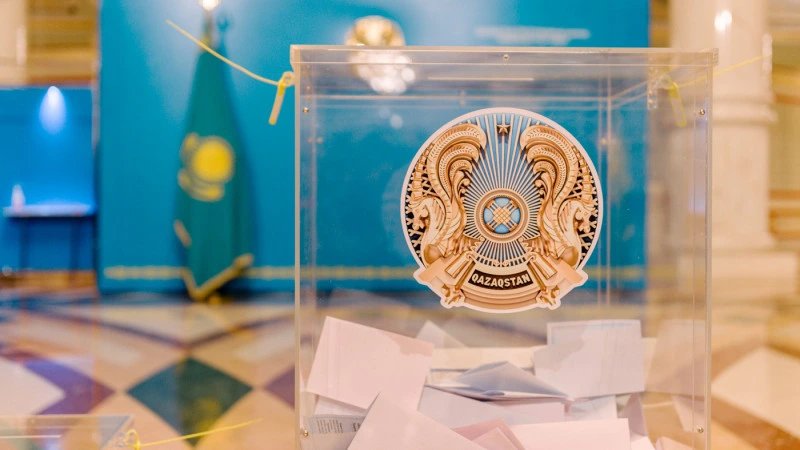
Kazakhstan's first unicameral Kurultai convened following the August 23 election, marking the transition from the bicameral Parliament under the Constitution that took effect July 1. Preliminary results show high voter turnout and five political parties represented in the new chamber. The new body faces the task of establishing parliamentary conventions and practices that will shape its institutional role for decades.
Key Facts
- The Constitution establishing the unicameral Kurultai entered into force on July 1, 2026.
- The August 23 election produced preliminary results showing five political parties represented in the new chamber.
- The first Kurultai will serve a five-year term, during which its procedures and norms may become precedents for future parliaments.
- Kazakhstan's transition to unicameralism eliminates the second legislative chamber, placing greater responsibility on parliamentary committees and scrutiny.
Institutional Transition
The election of August 23 marks an institutional founding moment as Kazakhstan moves from a bicameral Parliament to the new unicameral Kurultai. The Constitution that entered into force on July 1 creates a different institutional structure and an opportunity to shape new parliamentary conventions, practices, and expectations. Preliminary results indicate a high level of electoral participation and the representation of five political parties in the new chamber. The longer-term significance of this election will be determined by how effectively the first Kurultai develops its roles in legislation, representation, scrutiny, accountability, and public deliberation.
Unicameral Advantages and Responsibilities
Comparative experience demonstrates that unicameralism can simplify legislative procedures, reduce institutional duplication, and contribute to more timely decision-making. These qualities may be particularly valuable for a country navigating rapid economic, technological, and geopolitical change. Without a second legislative chamber to undertake additional review, the quality of parliamentary committees, legislative scrutiny, consultation with experts and stakeholders, and opportunities for meaningful deliberation become particularly important. The strength of the new Kurultai will ultimately depend not simply upon its constitutional powers, but upon the parliamentary culture and institutional practices that develop within it.
Precedents and Political Pluralism
The first Kurultai carries a special responsibility because the procedures, conventions, and norms established during its first five-year term may become precedents for future generations of parliamentarians. Strong committee systems, evidence-based legislative review, transparent parliamentary proceedings, and meaningful debate across political viewpoints would represent investments in the long-term institutional development of the Republic. Kazakhstan occupies a strategically important position in Eurasia and must simultaneously manage economic modernization, regional connectivity, social development, and increasingly complex relations among major international actors. Strong political institutions are most sustainable when stability is accompanied by channels through which different interests, regions, generations, and social groups can participate constructively in public decision-making.
2 sources
Time · lag behind first