
Heat amplifies pesticide danger to US farmworkers, study finds
This digest was compiled by AI from multiple sources — links to the originals are below.
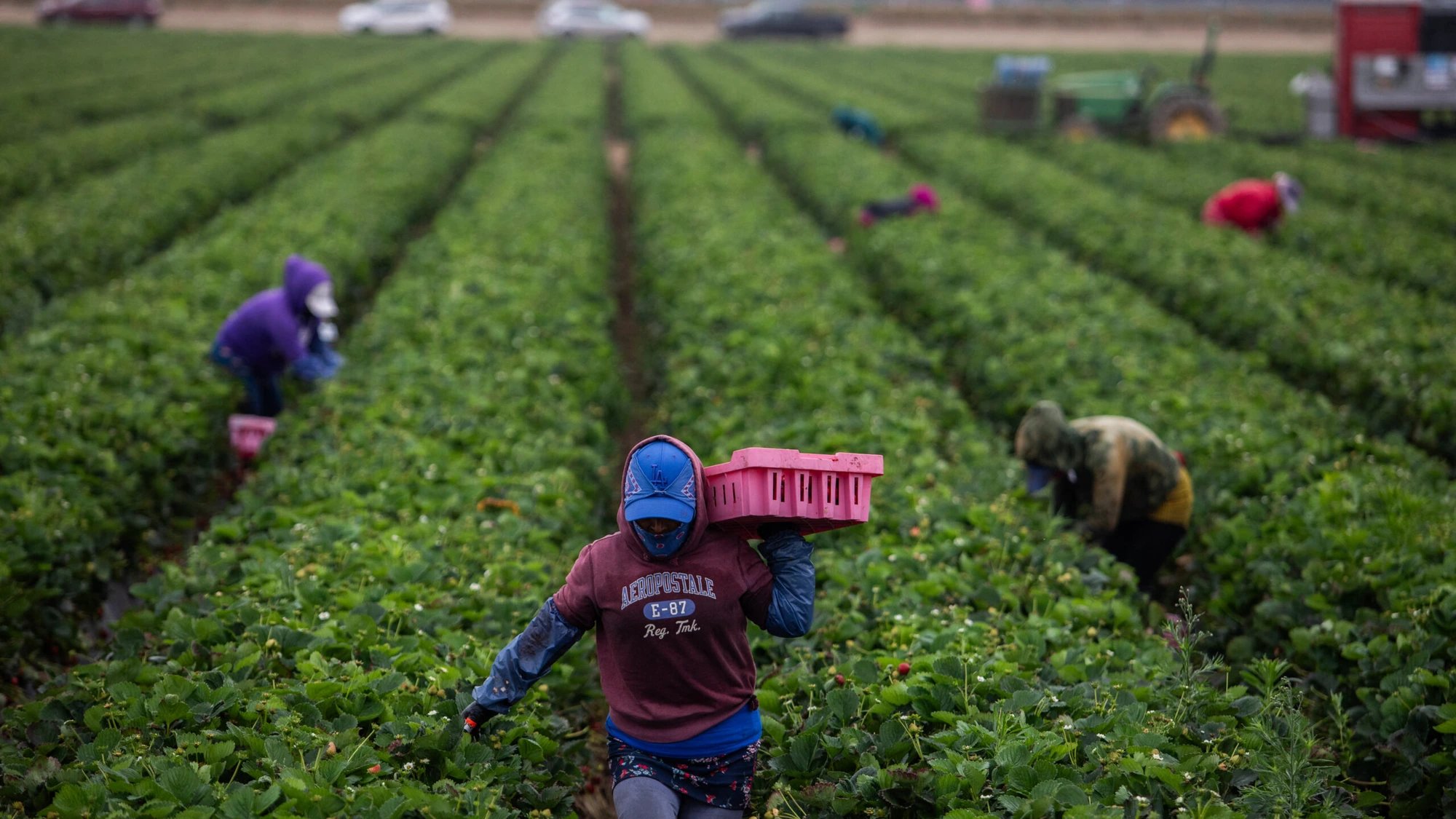
Heat is making pesticides more dangerous for the 2.4 million farmworkers in the United States, a Union of Concerned Scientists report finds. Hotter temperatures stress the body, raise evaporation, and turn pesticides into more toxic compounds, while field workers who do not directly handle chemicals account for most reported poisonings.
Key Facts
- Thousands of US farmworkers suffer acute pesticide poisoning each year, and many cases go unreported.
- Field workers who do not directly handle pesticides account for the majority of reported poisonings.
- Hotter temperatures raise evaporation rates and boost chemical transformation of pesticides into more toxic compounds.
- Protective PVC gloves break down as temperatures increase and become less impervious to chemicals.
Heat-Driven Exposure
Heat stresses the body and makes farmworkers more vulnerable to pesticides and other toxicants. Protective clothing worn in hot weather adds to that stress. Higher temperatures increase evaporation, raising workers' exposure as more pesticide is applied to crops. Heat also boosts chemical transformation of pesticides into more toxic compounds. Other research shows protective PVC gloves break down as temperatures rise and become less impervious to chemicals.
Farmworker Vulnerability
A majority of the 2.4 million US farmworkers were born in other nations and are people of color. Jeannie Economos, pesticide safety and environmental health project coordinator at the Farmworker Association of Florida, called farmworkers "landless farmers." Economos said the situation is "definitely a case of environmental injustice." Farmworkers are at risk whether or not they work directly with pesticides. Many employers do not post adequate warnings about recently sprayed fields and fail to provide protective gear or training.
Poisoning Data Gaps
Thousands of US farmworkers suffer acute pesticide poisoning each year, and data on cases is limited. Many cases go unreported, and states have different reporting practices. The Union of Concerned Scientists report cited the Environmental Protection Agency on poisoning figures.
1 source
Time · lag behind first