
Global rice yield losses from warming double prior estimates, study finds
This digest was compiled by AI from multiple sources — links to the originals are below.
A study published in Science Advances finds that global warming reduces rice yields 8.1% per 1°C of temperature increase, double the 3.8% estimated by current crop models. The gap stems from models' failure to account for extreme heat damage during rice's reproductive stages, which field experiments show is the primary driver of losses.
Observed vs. Modeled Losses
Researchers compared 214 field-warming experiments with seven crop models covering major rice-growing regions. The models estimated a 3.8% yield reduction per 1°C of global warming, whereas observed data showed an 8.1% loss. The study, led by the Helmholtz Centre for Environmental Research with the Potsdam Institute for Climate Impact Research, was published in Science Advances. The authors stress their figures isolate temperature effects and are not a full production forecast.
Extreme Heat and Reproductive Stage Damage
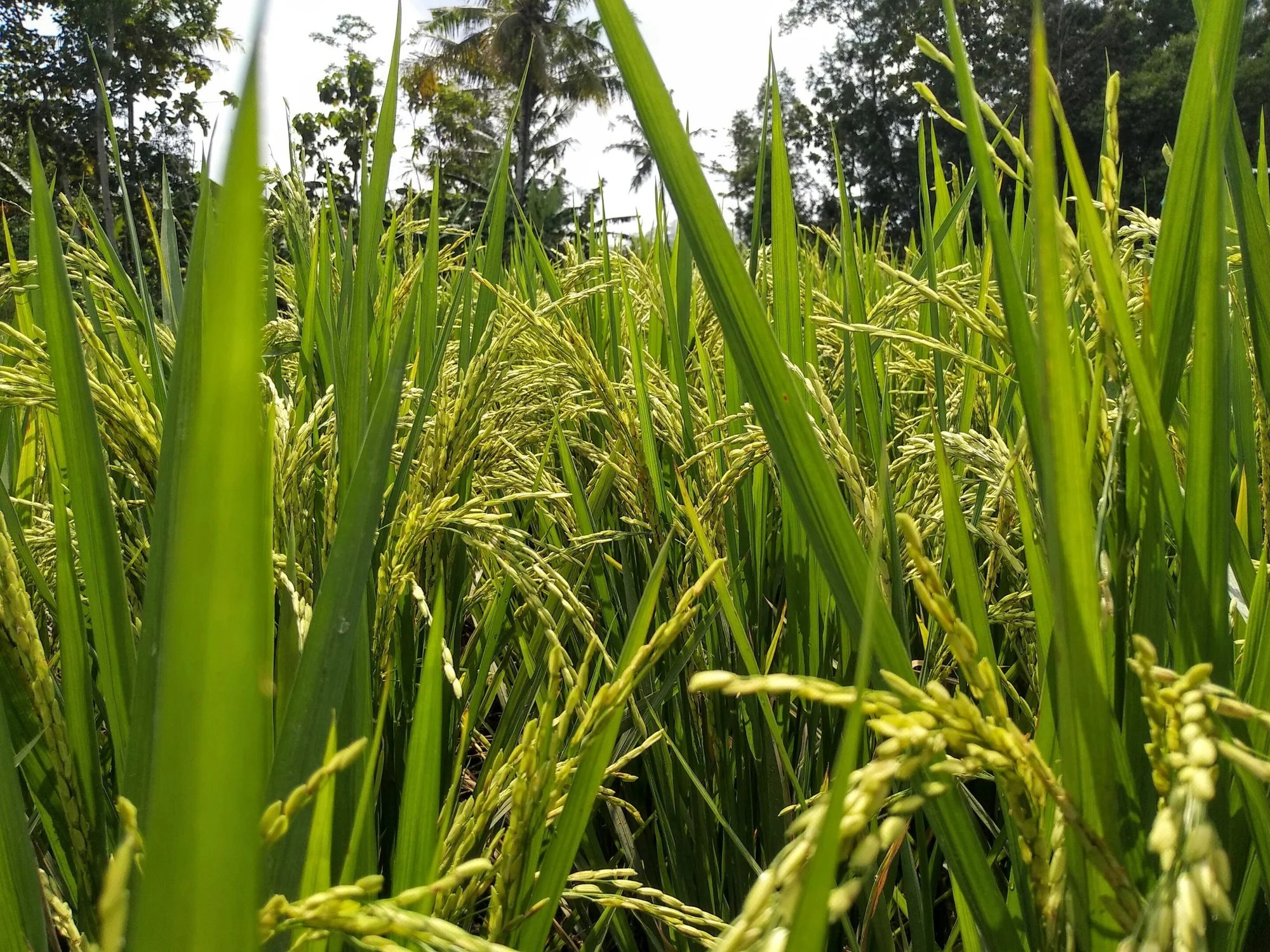
Exposure to temperatures above 30°C was the dominant factor behind yield losses in the field experiments, accounting for more than half of the absolute yield change at over 70% of observed sites. Current crop models, however, are far less sensitive to such heat extremes. 'Many current crop models don't yet capture heat damage in rice's reproductive stages well. Observations show this is exactly when rice is particularly vulnerable, as panicles and grains develop,' said lead author Yiwei Jian.
Revisions in South and Southeast Asia
The corrected estimates significantly alter the geographic picture of expected losses. For Pakistan, India and Bangladesh, the yield-loss estimate jumps from 2.1% to 6.6%. For Thailand, the Philippines and Myanmar, it rises from 3.7% to 7.7%. These regions have high exposure to extreme heat, making them especially susceptible to the newly recognized damage mechanism.
1 source
Time · lag behind first