
World Meteorological Organization says extreme heat more frequent, intense and longer-lasting
This digest was compiled by AI from multiple sources — links to the originals are below.
The World Meteorological Organization said on Tuesday that periods of extreme heat are becoming more frequent, intense and longer-lasting as climate change warms the planet. Parts of Europe are enduring their fifth heatwave of a summer marked by drought, wildfires and record-breaking temperatures. The WMO said the current European heat pattern reflects high-pressure systems and a warmer climate, while El Niño is not contributing this year.
Key Facts
- Europe is the world's fastest-warming continent.
- June 1976 featured a broadly similar pattern of high and low pressure systems to those seen this year.
- The picture for 1976 showed a few isolated areas above average temperatures in a much cooler world, while today much of the globe has above-average temperatures.
- Marine heatwaves in the Mediterranean Sea and waters west of Europe are providing additional background warmth for persistent high-pressure systems.
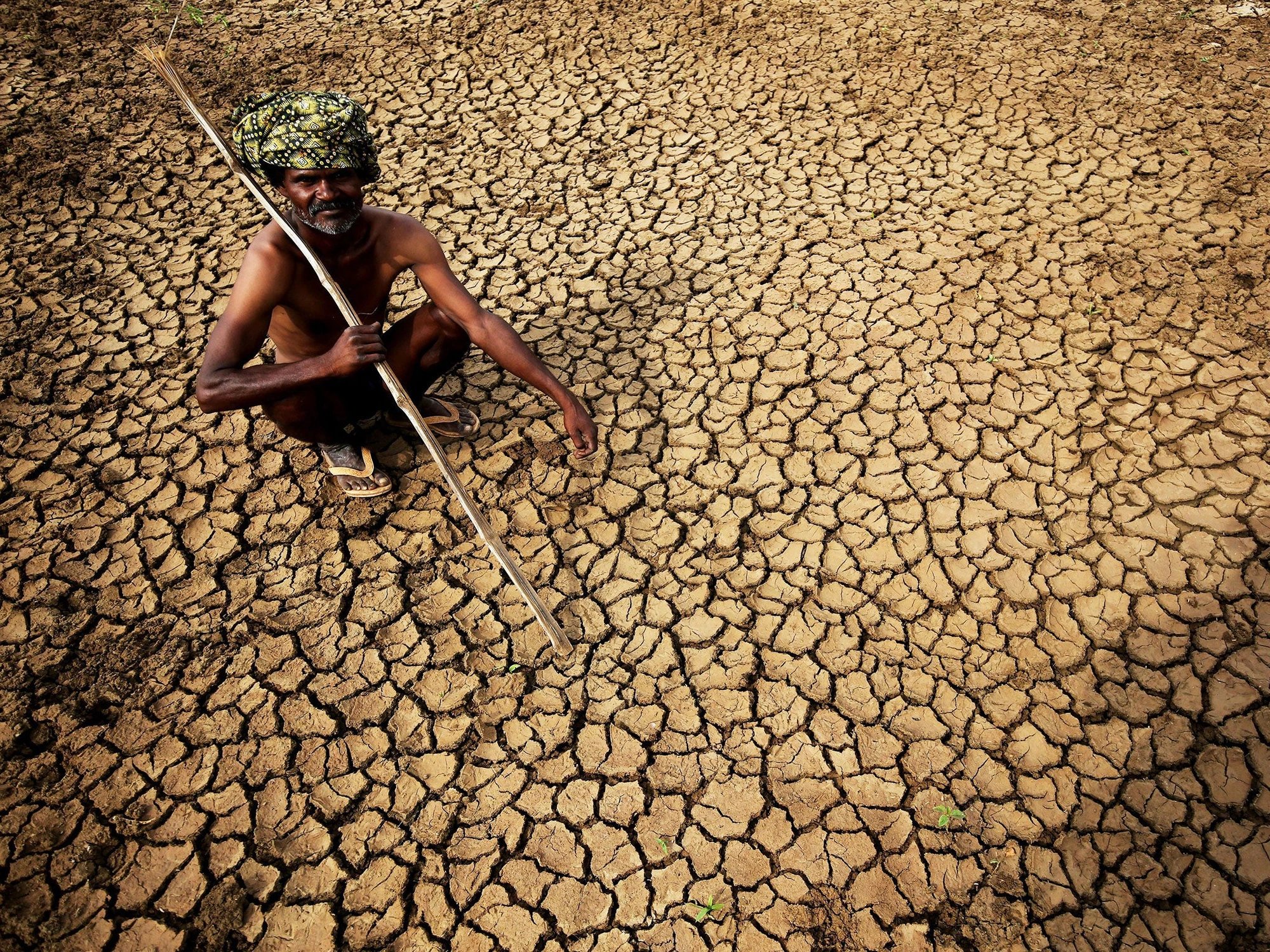
- Dry ground is intensifying the heat because soils warm more quickly once moisture is depleted.
Heat Pattern Drivers
Kennedy said the current pattern of heat across Europe reflects the interaction between a persistent pattern of high-pressure systems across the Northern Hemisphere and a warmer climate. The high-pressure systems trap warm air, reduce cloud cover and block cooler air from moving in, allowing heat to build over large regions for days or weeks. El Niño is not contributing to Europe's heat this year because tropical Pacific conditions are currently neutral.
1976 Contrast
June 1976 featured a broadly similar pattern of high and low pressure systems to those seen this year. The picture for 1976 is one of a few isolated areas above average temperatures in a much cooler world. Today the picture is reversed, with much of the globe experiencing above-average temperatures and only a few isolated cooler regions.
Marine and Soil Effects
Exceptionally warm seas and parched soils are amplifying temperatures across Europe, Kennedy said. Marine heatwaves in the Mediterranean Sea and waters west of Europe are fueling hotter conditions on land by providing additional background warmth for persistent high-pressure systems. Dry ground is intensifying the heat because soils warm more quickly once moisture is depleted.
1 source
Time · lag behind first