Nature study finds 16 major floods hit Europe in 1341–1343
This digest was compiled by AI from multiple sources — links to the originals are below.
A study published in Nature identifies 16 major flood events across much of Europe between late 1341 and 1343, four of them with return periods of 500–1,000 years. The research shows the July 1342 Magdalena Flood, previously considered Europe's only extreme flood that year, was part of a broader sequence. The authors link the cluster to volcanic eruptions and multi-annual Arctic sea ice retreat.
The 1341–1343 Flood Sequence
The new documentary dataset records 16 major flood events across much of Europe between late 1341 and 1343. Four of these events—the Magdalena, Bartholomew, Candlemas and Jacob Floods—had return periods of 500–1,000 years. The year 1342 had the greatest number of extreme floods in the past 700 years, and 1343 ranks among the top ten. This overturns the previous view that the Magdalena Flood of July 1342 was the only extreme European flood that year.
Socio-Economic Toll
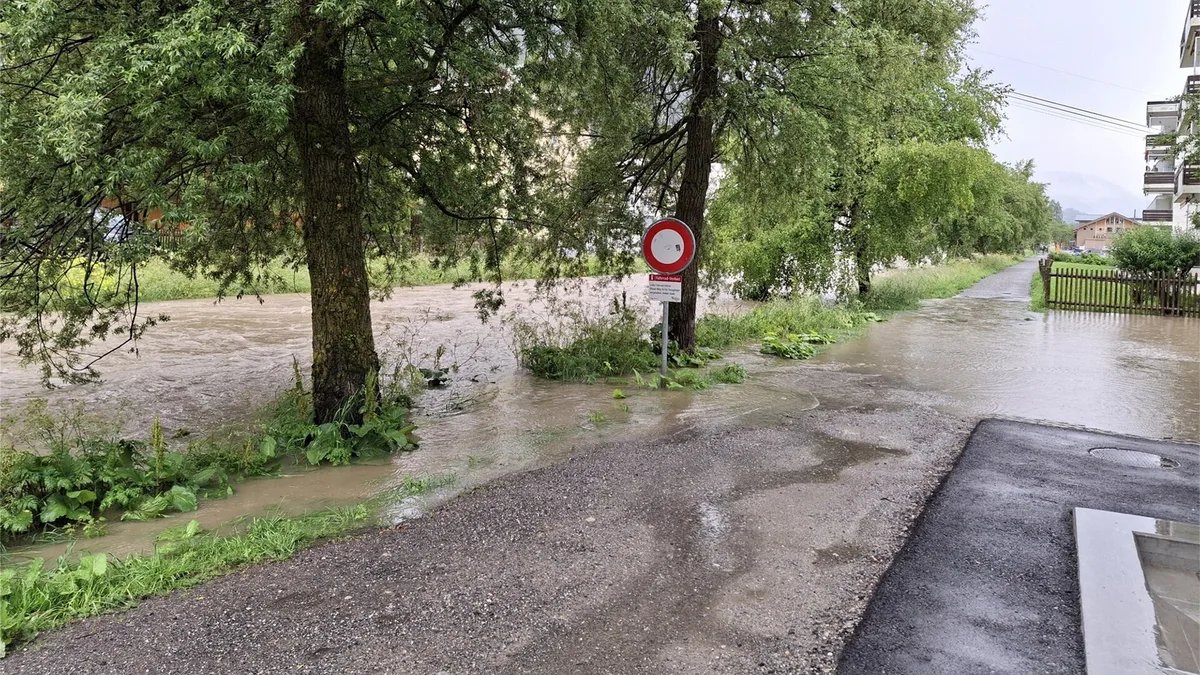
The flood sequence caused thousands of fatalities and destroyed most bridges and settlements along the main rivers of the Holy Roman Empire, with agricultural damage leading to dearth. Flood levels on the Rhine and Main rivers had return periods of between 100 and 1,000 years. The Magdalena Flood peaked in late July 1342 in the central Holy Roman Empire, modern-day Germany. The sequence prompted a paradigm shift in flood mitigation measures across Europe.
Possible Drivers
The study points to a series of volcanic eruptions together with multi-annual Arctic sea ice retreat as a plausible cause of the flood cluster. The Magdalena Flood was probably driven by an extensive Vb weather pattern that transported moisture from the Mediterranean into Central Europe. The return period of the precipitation that triggered the Magdalena Flood was estimated at 10,000 years.
What's Next
The authors call for quick and proactive risk strategies that account for extreme flood clusters occurring within a few months, with the next European flood-risk review likely to take up the dataset. It remains unclear whether current risk management models adequately incorporate such historical sequences or how volcanic and sea-ice drivers would interact under present-day warming.
1 source
Nature study finds 16 major floods hit Europe in 1341–1343