Murdoch researchers produce human-like heart valve tissue from stem cells
This digest was compiled by AI from multiple sources — links to the originals are below.
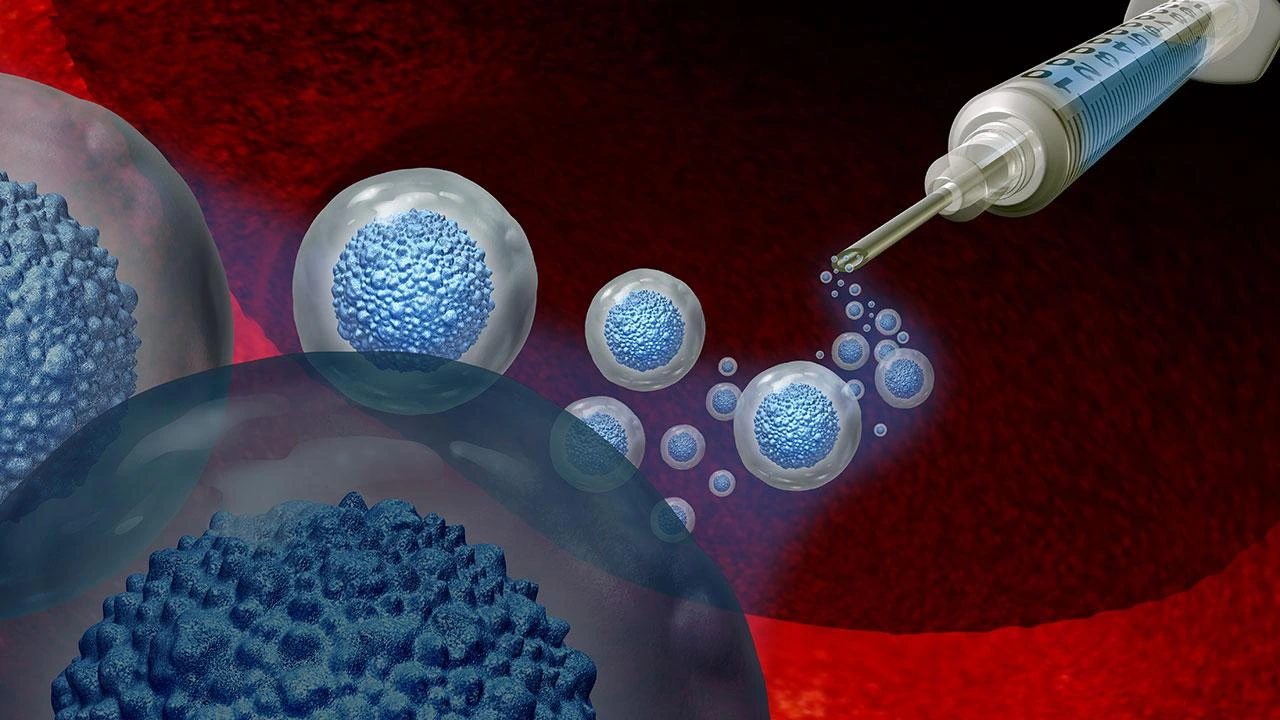
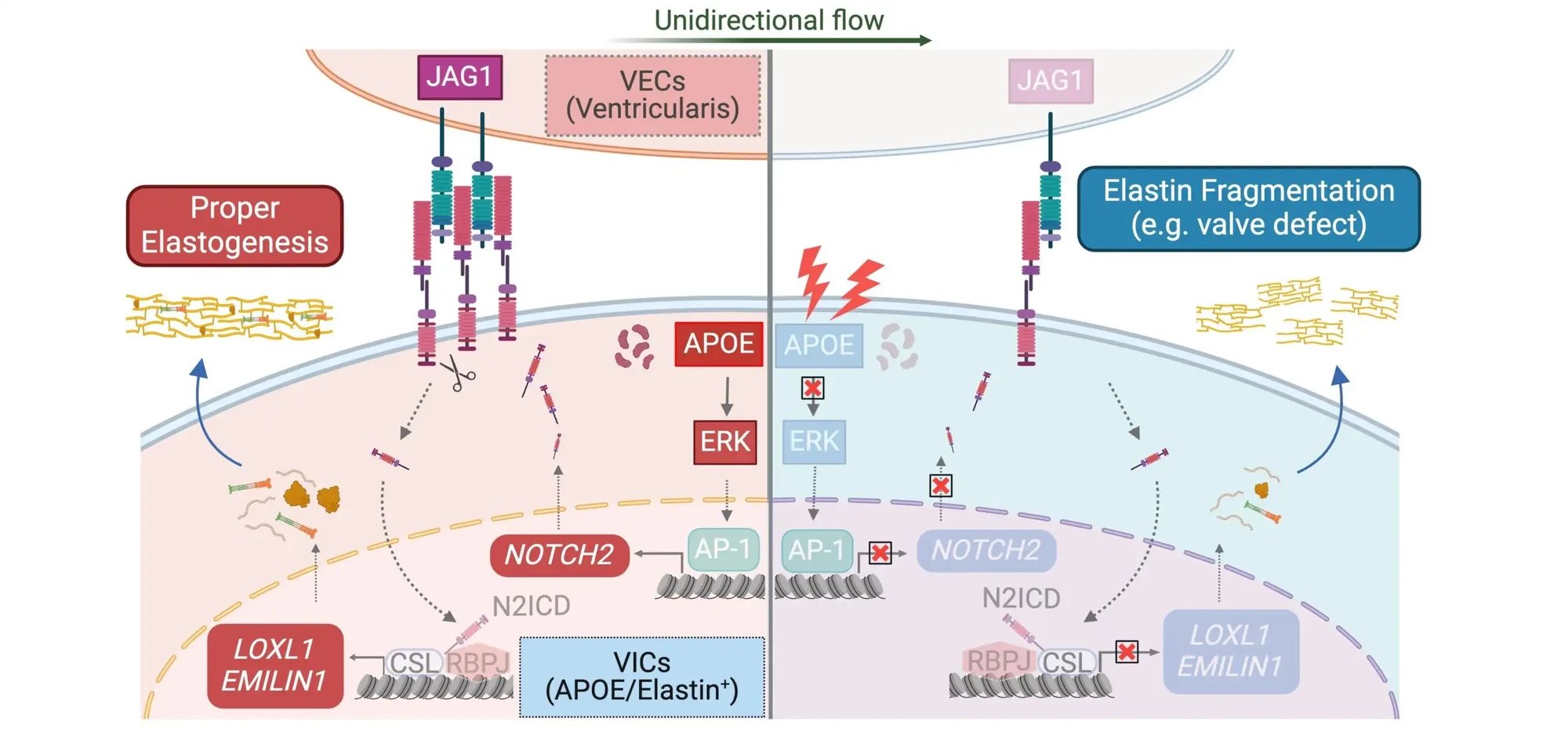
Researchers at Melbourne's Murdoch Children's Research Institute have generated stem-cell-derived heart valve tissues that mimic human molecular features, according to an institute statement. The findings, published in Cell Stem Cell, could speed testing of new therapies for children and adults with damaged heart valve tissue, study author Holly Voges said.
Valve Tissue Model
Researchers at Melbourne's Murdoch Children's Research Institute used stem cell technology in the laboratory to produce heart valve tissues that mimic molecular characteristics of human valves, according to a written MCRI statement. The tissues are intended to model heart valve disease, which affects large numbers of patients worldwide, and to support testing of treatments for damaged tissue in children and adults. Study author Dr Holly Voges said the model will allow new therapies to be tested and refined more quickly.
Published Findings
The results appear in Cell Stem Cell. The Melbourne-based team generated the tissues in laboratory conditions using stem cell technology, producing structures that replicate human valve molecular features. The work is directed at heart valve disease, which the MCRI statement describes as affecting many people globally, and provides a platform for faster development of new therapies.
What's Next
MCRI researchers are expected to use the tissue model to screen candidate therapies before any clinical application. It remains unclear how quickly the findings will translate into treatments for children and adults with damaged heart valves.
1 source
Murdoch researchers produce human-like heart valve tissue from stem cells