MCRI researchers create human heart valve tissues from stem cells
This digest was compiled by AI from multiple sources — links to the originals are below.
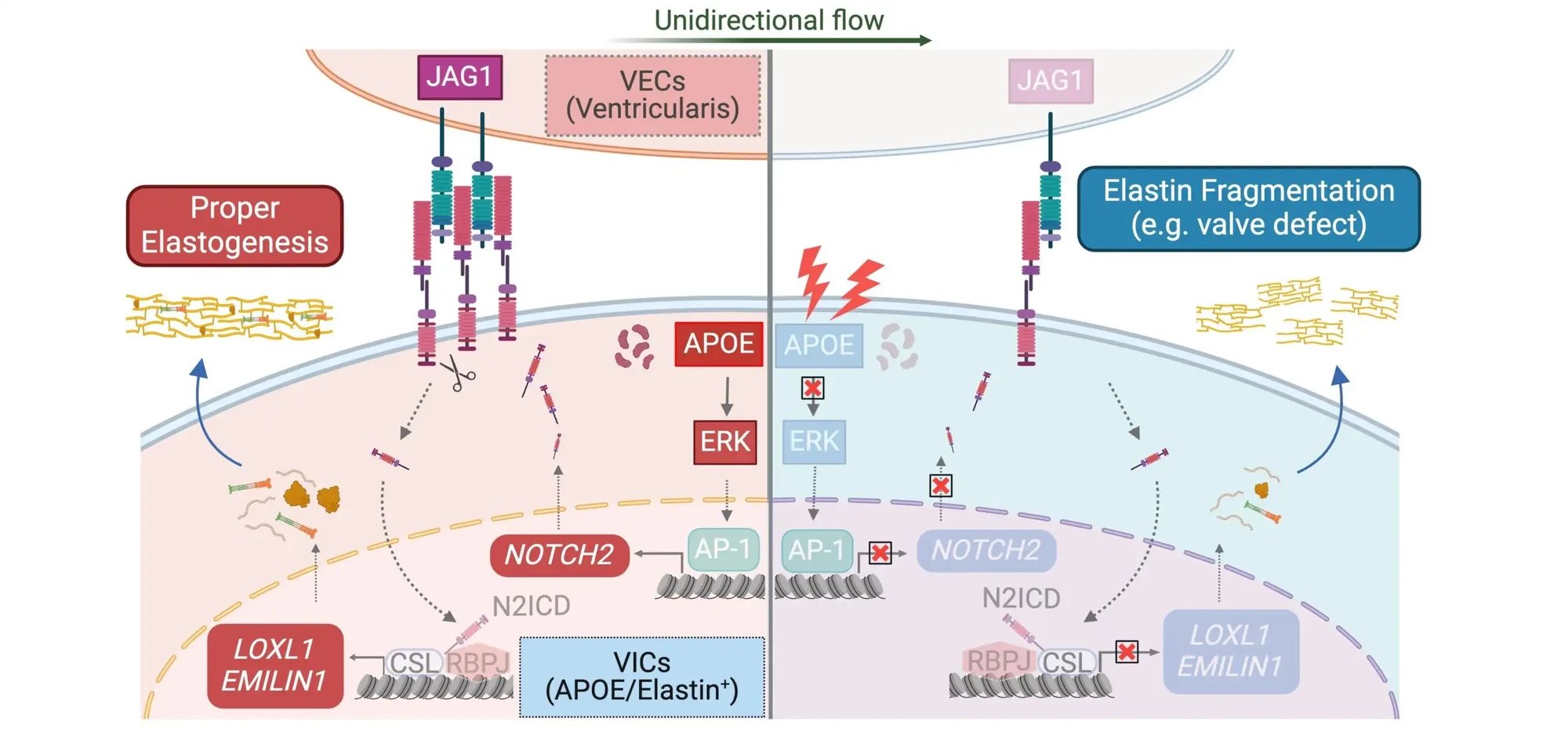
Researchers at Australia’s Murdoch Children’s Research Institute have created human heart valve tissues from stem cells, a breakthrough that could advance treatments for childhood heart disease. The lab-grown tissues, described Wednesday in Cell Stem Cell, closely resemble natural valves and provide a new platform to study valve development and disease.
The Research Breakthrough
The study, led by MCRI’s Heart Regeneration group, produced engineered tissues that mimic the structure and function of human heart valves. Team leader Holly Voges said the platform could accelerate regenerative approaches to repair damaged valves in children and adults. Heart valve disease affects about 28 million people worldwide and currently lacks treatments to reverse valve damage, with many patients relying on replacement surgery that has significant limitations.
Disease Modeling and Potential
The platform also modeled inflammatory valve disease, a precursor to rheumatic heart disease (RHD), which disproportionately affects Indigenous populations in Australia. When exposed to RHD-linked inflammatory proteins, the stem cell tissues became stiffer and showed disease biomarkers. Professor Enzo Porrello said the technology could eventually support development of stem cell-derived replacement valves that grow with patients.
What's Next
MCRI researchers plan to further refine the platform and explore its use in personalized valve repair strategies. It is unclear how long it will take for such stem cell-derived valves to reach clinical trials, given regulatory and manufacturing challenges.
1 source
MCRI researchers create human heart valve tissues from stem cells