
Gladstone Institutes study finds TBX5 loss disrupts DNA folding in heart cells
This digest was compiled by AI from multiple sources — links to the originals are below.
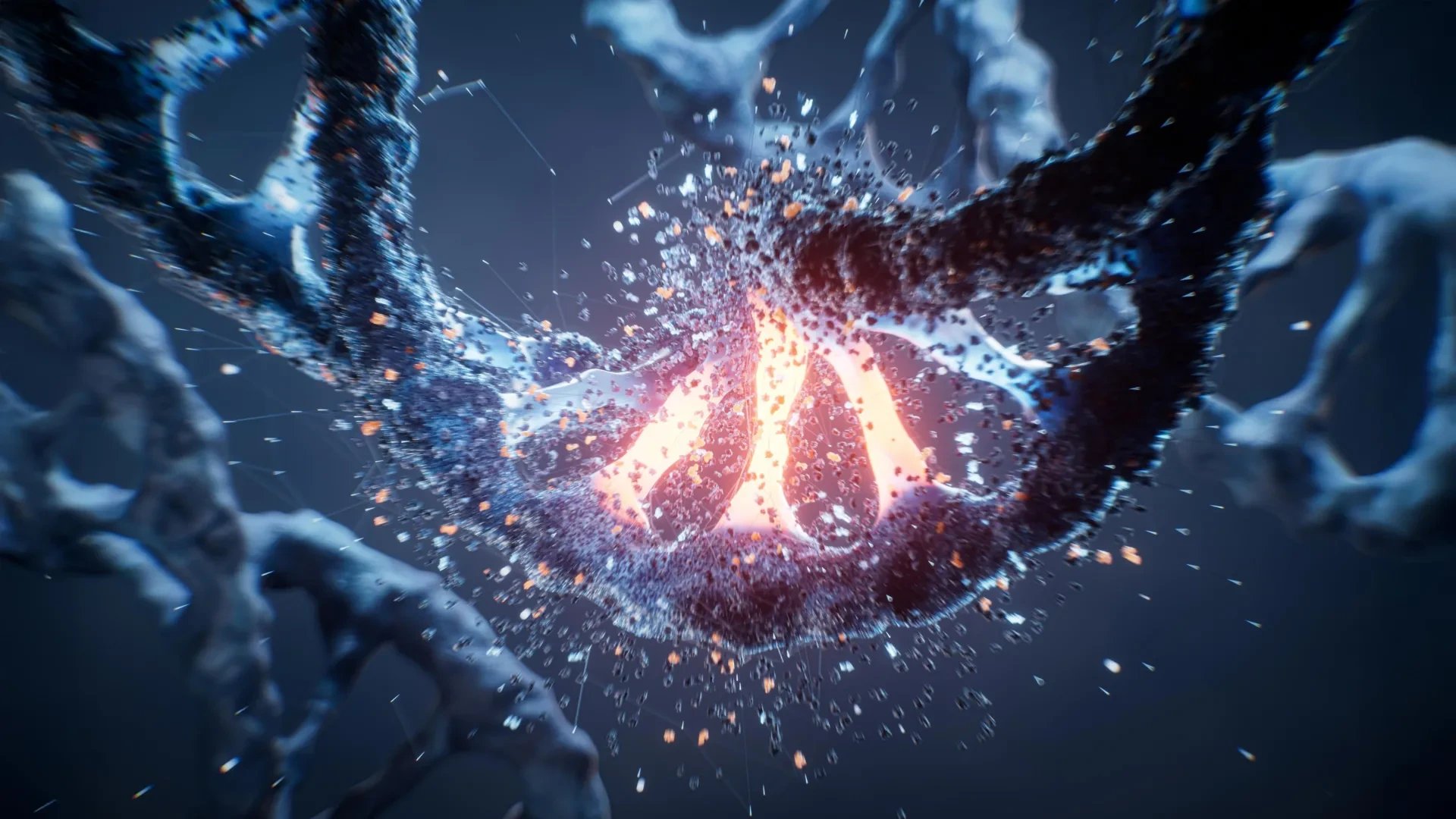
Scientists at Gladstone Institutes reported Aug. 13 in Science that losing one copy of the TBX5 gene unravels the genome's 3D structure in heart cells, altering activity of genes needed to build a healthy heart. The findings may help explain why congenital heart disease, which affects about 1 in 100 babies each year, develops differently in people with the same mutation. The disruption varied from cell to cell even as the second TBX5 copy remained functional.
DNA Folding Disruption
TBX5, a gene already linked to congenital heart disease, helps organize DNA into the 3D structure heart cells require. Researchers at Gladstone Institutes found that losing one copy of TBX5 breaks down this organization at multiple levels, changing how thousands of genes are used. The study, published in Science, used computational models to analyze single-cell data from heart cells. Congenital heart disease is the most common birth defect, affecting about 1 in 100 babies each year.
Haploinsufficiency and Variation
The condition of having one faulty gene copy and one functional copy is called haploinsufficiency. Scientists have long struggled to explain why losing one TBX5 copy causes severe defects while the second copy still works. The new findings show effects vary from cell to cell, which may explain why people with the same TBX5 mutation develop different heart defects. Benoit Bruneau, director of the Gladstone Institute of Cardiovascular Disease, said many birth defects may arise because "the cell's 3D instruction manual simply gets folded the wrong way."
Broader Birth Defects
Katie Pollard, director of the Gladstone Institute of Data Science and Biotechnology, said the team developed computational models to analyze thousands of individual cells. That allowed researchers to trace how loss of the TBX5 protein causes heart DNA structure to break down at every level. The authors suggest the same hidden mechanism could underlie other birth defects linked to haploinsufficiency.
1 source
Time · lag behind first