
240-million-year-old reptile fossil found in Brazil fills gap in archosaur evolution
This digest was compiled by AI from multiple sources — links to the originals are below.
Paleontologists in Brazil have identified a 240-million-year-old reptile fossil that fills a crucial gap in the evolution of archosauriformes, the group that gave rise to dinosaurs and crocodiles. The fossil, named Silescelida acristata, was found in the UNESCO Quarta Colônia Geopark in Rio Grande do Sul and offers insights into limb posture and locomotion. The discovery, published in Scientific Reports, comes after the specimen was lost for 20 years.
The New Species
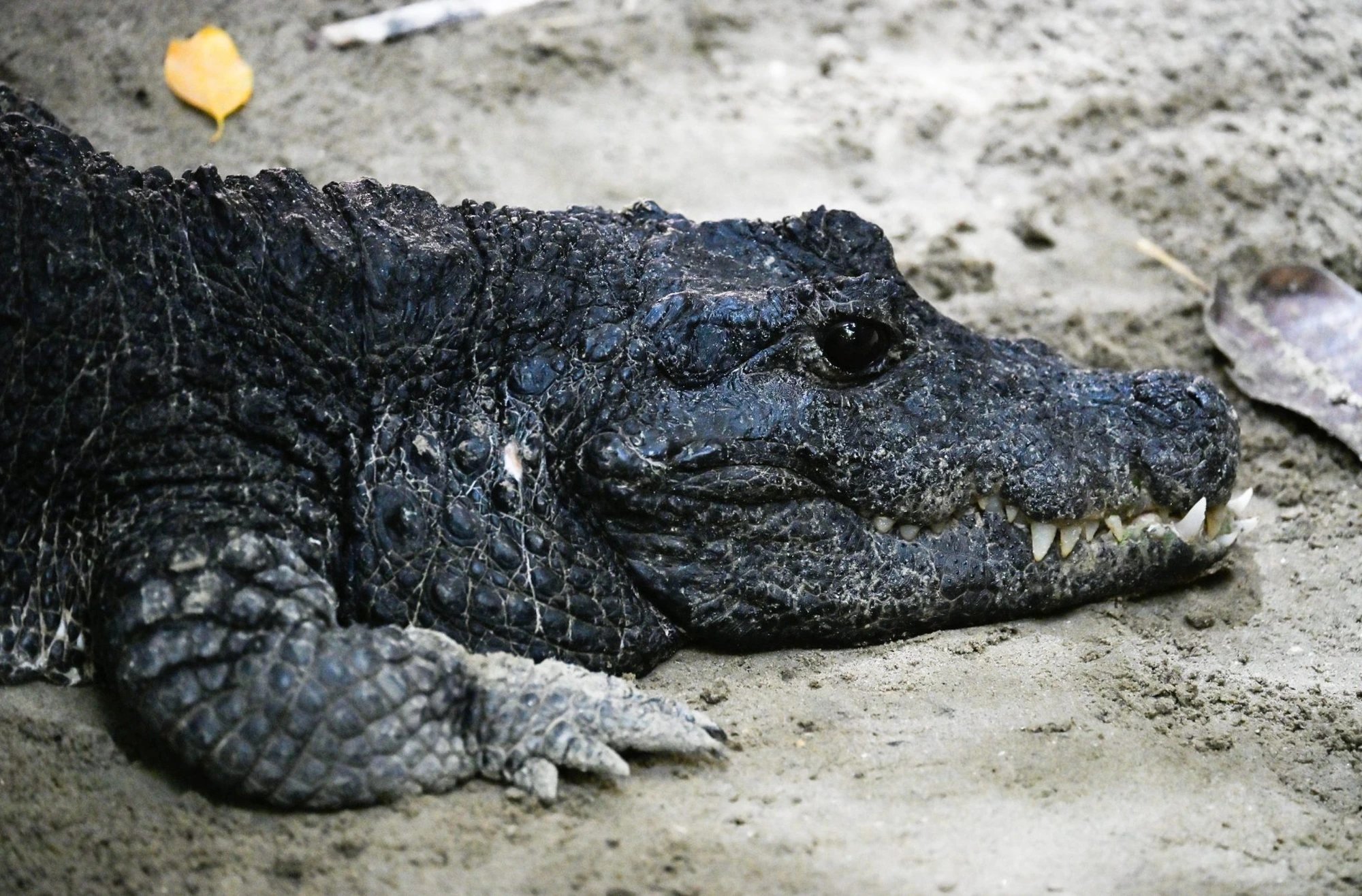
Silescelida acristata lived about 240 million years ago during the Middle Triassic Period, shortly after the Permian–Triassic extinction event. The fossil was recovered from rocks within the UNESCO Quarta Colônia Geopark in Dona Francisca, central Rio Grande do Sul. Researchers from the Federal University of Santa Maria (CAPPA/UFSM), the Federal University of Rio Grande do Sul (UFRGS), and the Pontifical Catholic University of Rio Grande do Sul (PUCRS) collaborated on the study, published in Scientific Reports. The animal was relatively small, comparable to a modern small alligator, and moved on all four limbs. Its diet likely consisted of smaller animals, suggesting it acted as a small predator in Triassic ecosystems.
A Semi-Erect Posture
The fossil preserves key limb bones, particularly the femur, which reveals that Silescelida acristata had a more semi-erect leg posture. This positioning, lower on the body than in sprawling reptiles, allowed for more efficient locomotion by reducing drag. The anatomical feature places it among early archosauriforms that were evolving more upright stances. Such adaptations were critical for the group's later diversification into dinosaurs and crocodiles. The femur's structure provides direct evidence of a transitional stage in limb evolution.
Filling the Evolutionary Gap
Archosauriformes underwent extensive diversification during the Triassic, yet fossil evidence from this early period remains scarce. Silescelida acristata bridges a gap between earlier reptiles and the rise of archosaurs, which includes birds, dinosaurs, and crocodiles. The find clarifies the timing and nature of key morphological changes, such as limb posture, that preceded the split of these major lineages. It also underscores the importance of the Quarta Colônia Geopark as a fossil-rich site. The global relevance of the discovery is highlighted by publication in a high-impact journal.
1 source
Time · lag behind first