245-million-year-old Austronaga fossil reveals oldest reptile digestive system
This digest was compiled by AI from multiple sources — links to the originals are below.
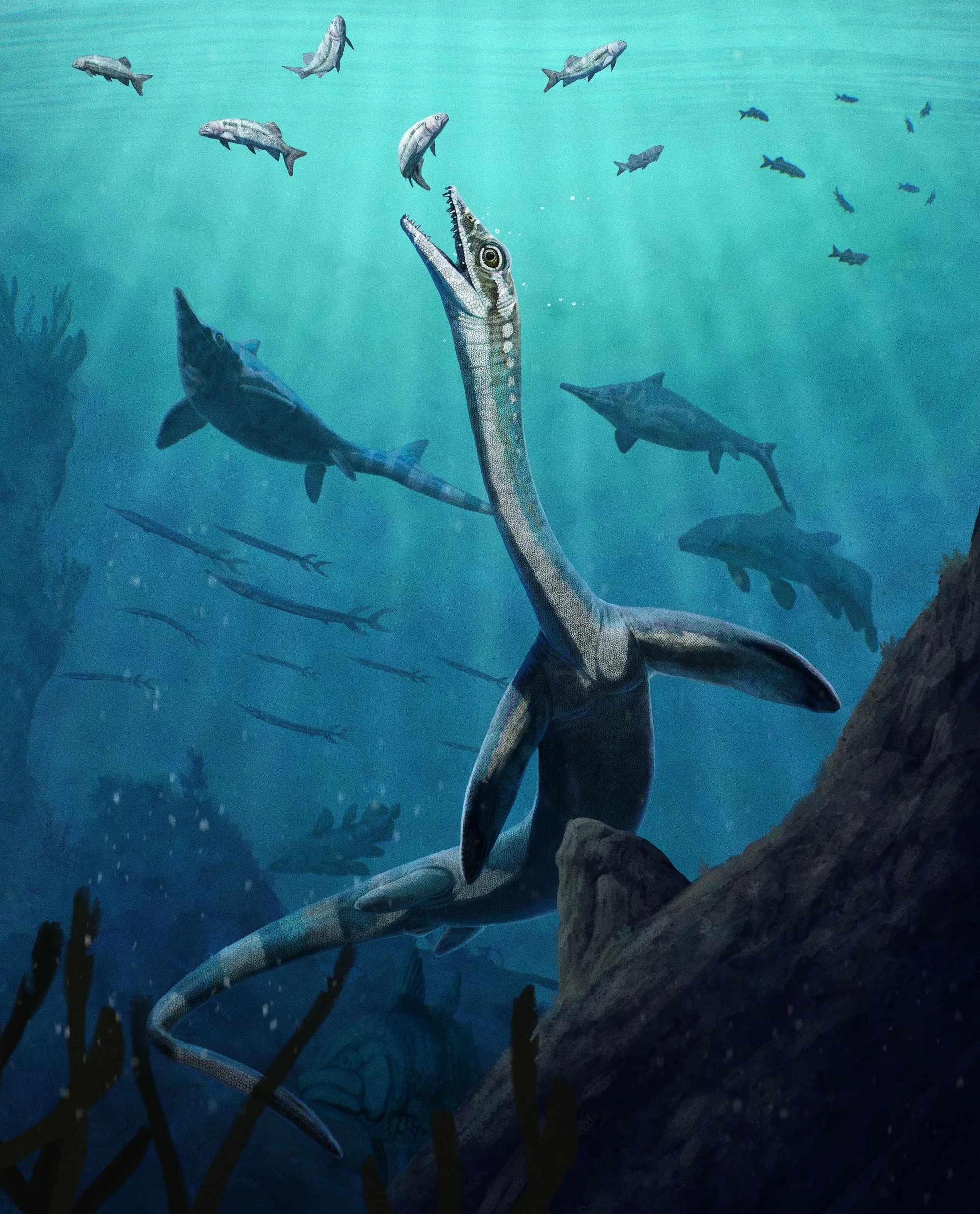
An international team of scientists has described a 245-million-year-old fossil of the marine reptile Austronaga minuta, revealing the oldest known largely complete digestive system in a reptile. The discovery, published in Science Advances, shows that early archosaur relatives evolved complex aquatic adaptations, even as its internal organs remained relatively simple.
The Austronaga Fossil
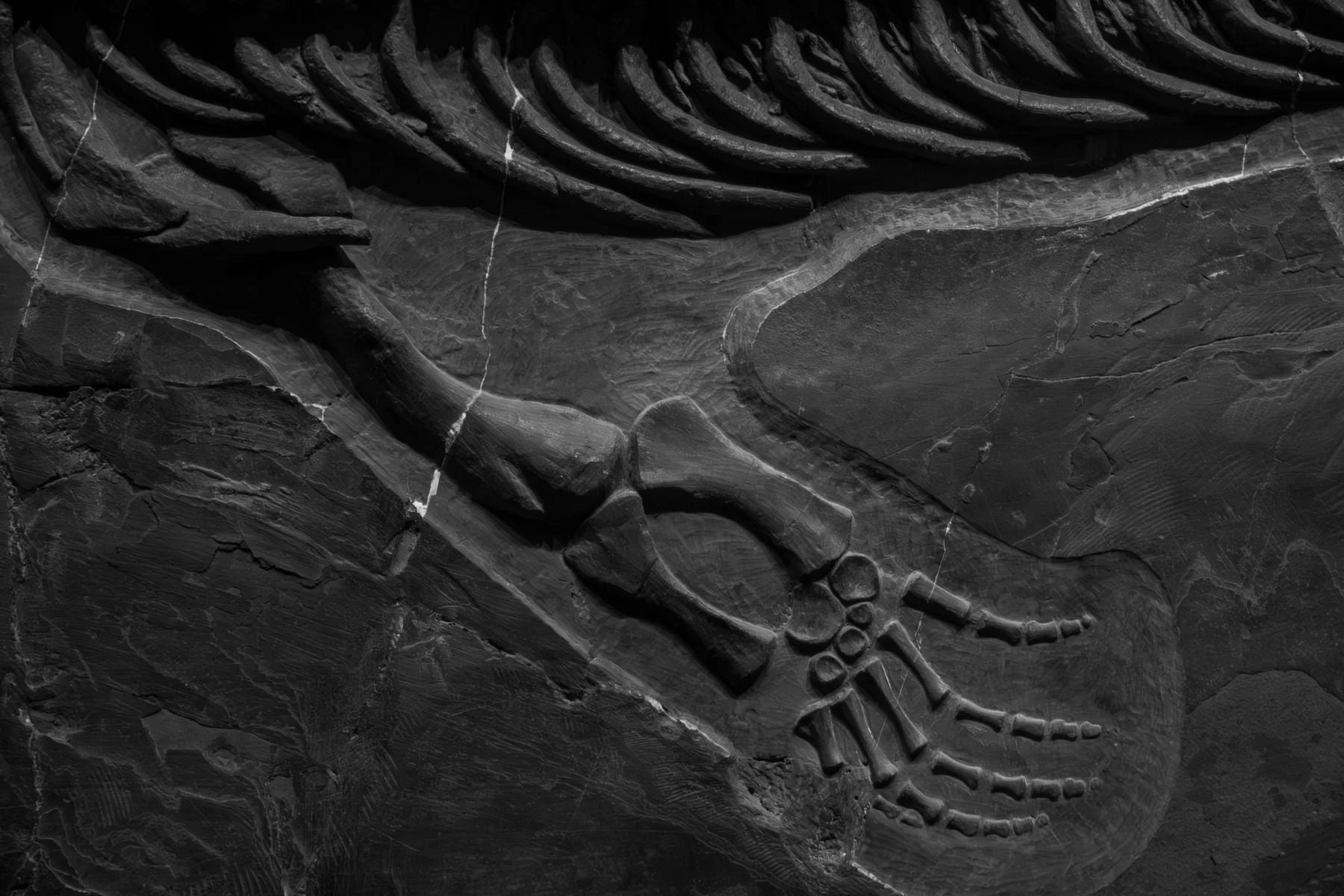
The 60-centimeter-long Austronaga minuta fossil was unearthed in Triassic marine deposits in what is now China. An international team led by Dr. Stephan Spiekman of the State Museum of Natural History Stuttgart described the specimen in Science Advances. The nearly complete skeleton includes an unusually long neck and tail, with front legs modified into fin-like paddles and greatly reduced hind limbs.
Aquatic Evolution of Archosaurs
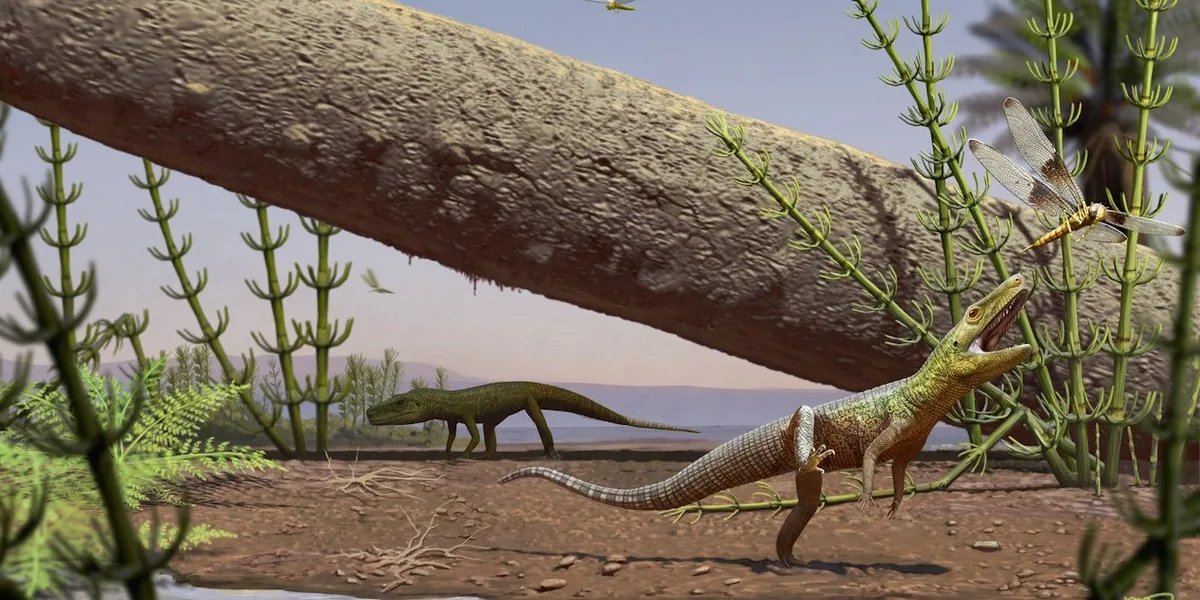
Austronaga belongs to the archosaur lineage, which includes crocodiles and dinosaurs, yet its body plan convergently resembles that of unrelated marine reptiles like ichthyosaurs. Dr. Spiekman noted that this early archosaur relative had already developed complex swimming adaptations 245 million years ago, using its tail for propulsion and front flippers for steering. The discovery challenges the view that archosaurs were primarily land-adapted, showing that marine specialization in this group occurred much earlier than previously thought.
Oldest Reptile Digestive Tract
A dark region between the ribs proved to be remnants of a largely intact digestive tract, including the stomach, liver, and intestines. UV-light photography and mass spectrometry allowed researchers to identify these organs with clarity. This represents the oldest known example of a complete digestive system in a reptile, offering direct insight into the soft-tissue anatomy of an early marine archosaur. The team found that despite the reptile’s highly specialized body, its internal organs were surprisingly unmodified.
What's Next
The research team plans to conduct detailed geochemical analyses of the digestive tract contents to infer Austronaga’s diet. It remains unclear how its relatively simple internal organs functioned alongside such specialized swimming adaptations.
1 source
245-million-year-old Austronaga fossil reveals oldest reptile digestive system