
Ocean acidification drove major Cretaceous extinction, fossil evidence confirms
This digest was compiled by AI from multiple sources — links to the originals are below.
Northwestern University scientists have found evidence that ocean acidification, triggered by massive volcanic eruptions in the Indian Ocean, caused one of the most severe extinctions of marine plankton 113 million years ago. The study, published in Science, directly links rising CO₂ levels to ocean acidification, offering a natural experiment for understanding current climate change.
Cretaceous Extinction
At the Aptian–Albian boundary 113 million years ago, the second-largest extinction of planktic foraminifera occurred. These microscopic organisms build calcium carbonate shells and are crucial for carbon sequestration. Surface plankton were shrinking and producing thinner shells, signaling severe environmental stress.
Volcanic Trigger
The eruption of the Kerguelen Plateau, a massive volcanic province in the southern Indian Ocean, released vast quantities of CO₂. As oceans absorbed the gas, seawater acidity rose, hindering shell formation. This marks the fifth Northwestern-led study linking large igneous province eruptions to ocean acidification and extinction across more than 60 million years.
Isotope Evidence
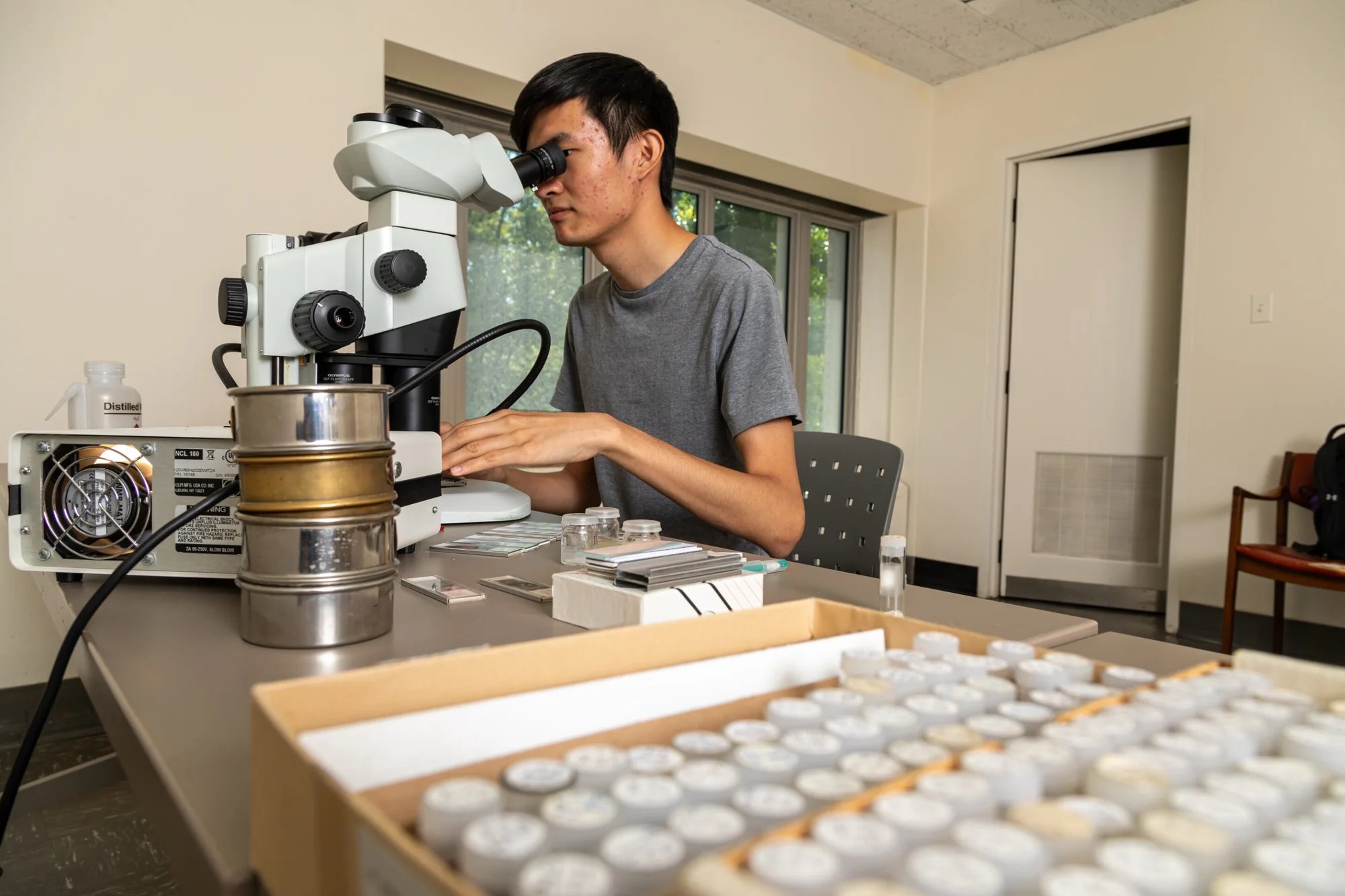
Jonathan Chen and co-authors measured calcium isotopes in microscopic fossils. A sharp rise in calcium isotope ratios during the extinction indicated a dramatic slowdown in shell calcification. The team identifies this as a direct geochemical fingerprint connecting ocean acidification to biocalcification stress and mass mortality.
1 source
Time · lag behind first