
St. Jude study reveals RNA-based survival strategy in antibiotic-tolerant bacteria
This digest was compiled by AI from multiple sources — links to the originals are below.
St. Jude Children's Research Hospital scientists have discovered how Streptococcus pneumoniae adapts to antibiotic exposure through changes in RNA regulation, enabling a state of antibiotic tolerance. The findings, published in Cell Host & Microbe, show that host and immune pressures drive bacteria to adopt a bet-hedging survival strategy rather than resistance mutations. This could inform approaches to improve antibiotic effectiveness against persistent infections.
The Discovery
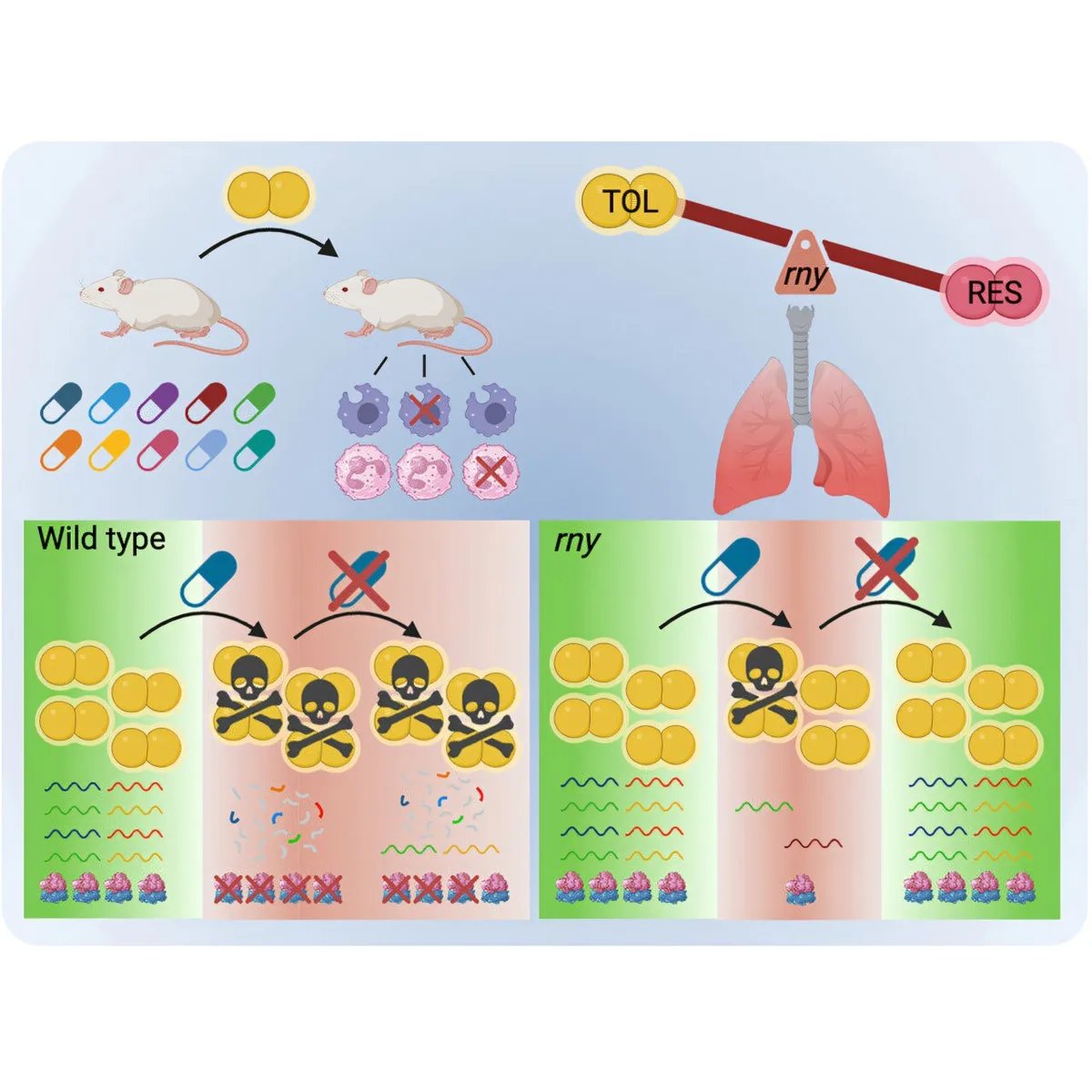
Researchers led by Jason Rosch at St. Jude used an infection model tracking S. pneumoniae evolution within the host. They found that host environment and immune pressures favored adaptations allowing antibiotic tolerance while maintaining persistence. Single-cell analyses revealed a bet-hedging response: most bacterial cells died after antibiotic exposure, but a subset entered temporary tolerance, slowing cellular activity to reduce damage.
Mechanism and Implications
The tolerance strategy was driven by changes in RNA regulation, including mutations in the rny gene involved in RNA degradation. This hidden survival mechanism differs from antibiotic resistance, as it does not compromise bacterial fitness during infection. The findings provide new insights into how persistent infections develop and could guide strategies to target refractory bacterial populations, improving antibiotic effectiveness.
1 source
Time · lag behind first