Antibiotic resistant gene found in Australian soil
This digest was compiled by AI from multiple sources — links to the originals are below.
Researchers have identified a gene conferring resistance to last-resort antibiotics in soil samples from rural Australia. The discovery, published in Nature Communications, signals a previously unrecognized reservoir of resistance that could spread to human pathogens.
The Discovery
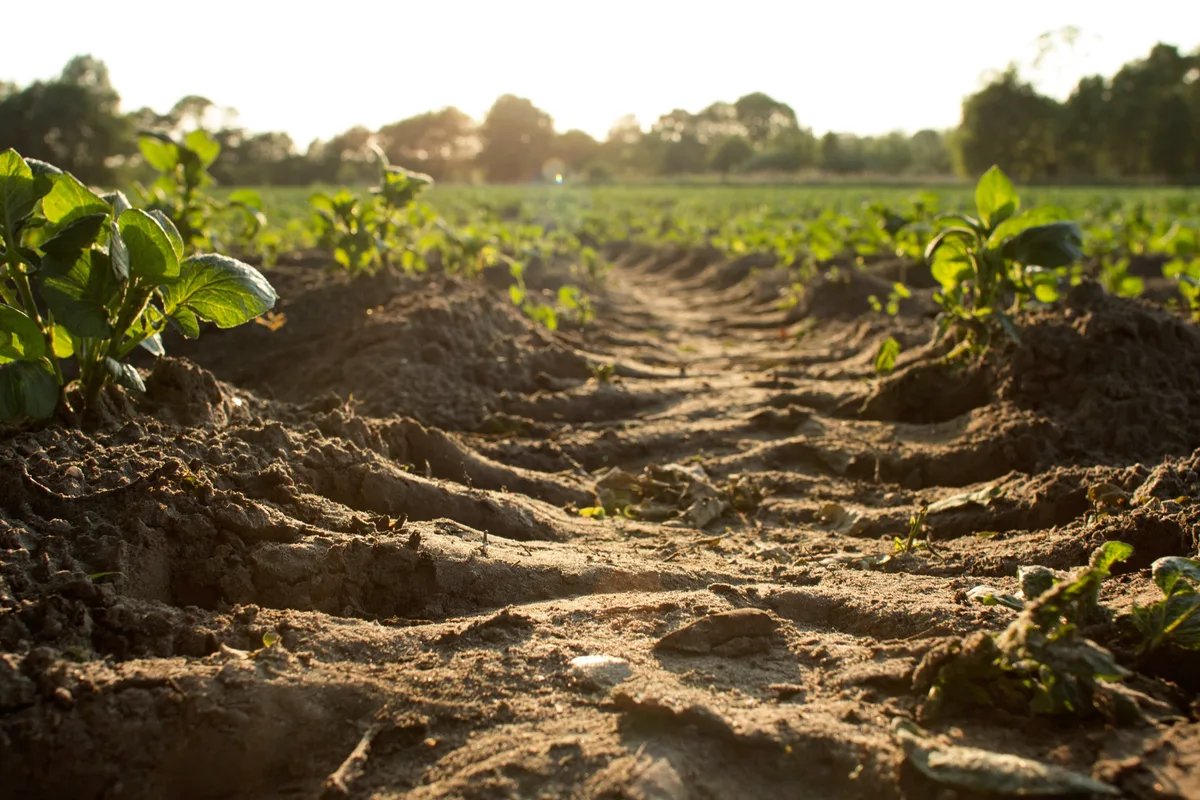
A team from the University of Queensland found the gene in soil bacteria collected from a remote cattle station in Queensland. The gene encodes an enzyme that degrades carbapenems, a class of antibiotics used when other treatments fail. The study analyzed 640 soil samples, with the resistant gene detected in 12 samples.
Public Health Implications
Carbapenem-resistant infections kill an estimated 1.27 million people annually worldwide. The gene's presence in a pristine environment suggests resistance can emerge without direct antibiotic exposure. Health officials warn that horizontal gene transfer could introduce the resistance into clinical settings.
What's Next
The research team plans to expand sampling to other remote regions to map the gene's prevalence. It remains unclear whether the gene has already transferred to human-associated bacteria.
1 source
Antibiotic resistant gene found in Australian soil