
Fossil teeth reveal new marsupial branch in Australia
This digest was compiled by AI from multiple sources — links to the originals are below.
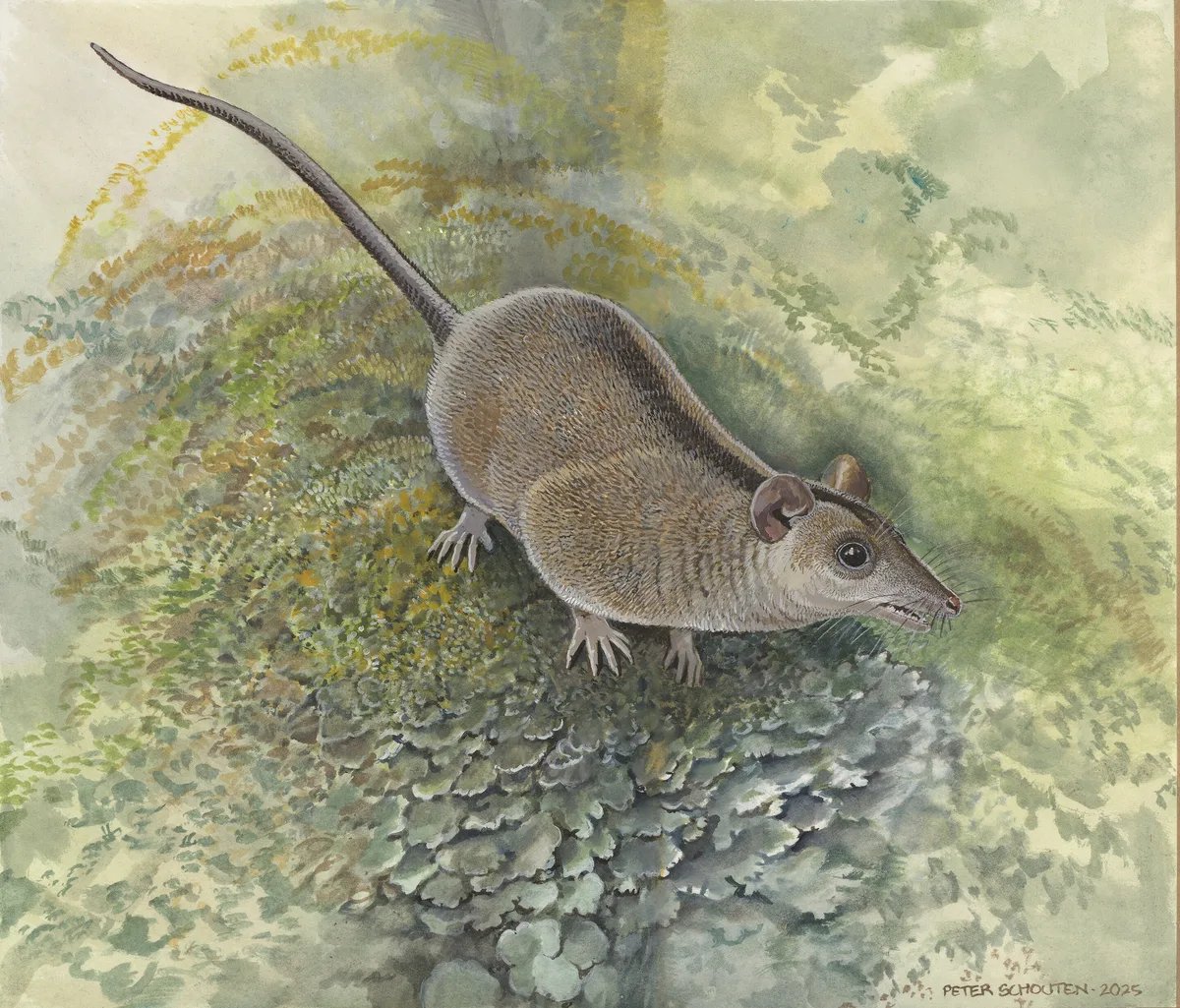
Researchers have identified three new species of small insect-eating marsupials from fossils found in Queensland's Riversleigh World Heritage Area. The discovery, published in the Journal of Paleontology, points to a previously unknown branch of the marsupial family tree that could reshape understanding of Australian mammal evolution.
The Fossil Discovery
The study describes three new species based on fossilized teeth and jaw fragments from the Riversleigh site, a UNESCO World Heritage area in Queensland. The specimens date to the Oligocene-Miocene boundary, roughly 25 million years ago. Researchers identified distinct dental features that set these species apart from known marsupial groups.
Evolutionary Implications
The new species represent a lineage not previously documented in the marsupial fossil record. This suggests that marsupial diversity in ancient Australia was higher than previously thought. The findings challenge existing models of how marsupials dispersed and diversified across the continent after its separation from Antarctica.
Dmanisi Child Teeth Analysis
Analysis of fossilized teeth from a 1.77-million-year-old Homo child at Dmanisi, Georgia, reveals a prolonged developmental period similar to modern humans. The study challenges previous assumptions about early human brain growth and maturation rates.
2 sources
Time · lag behind first