
Mung bean pan-genome reveals 100,000+ structural variants
This digest was compiled by AI from multiple sources — links to the originals are below.
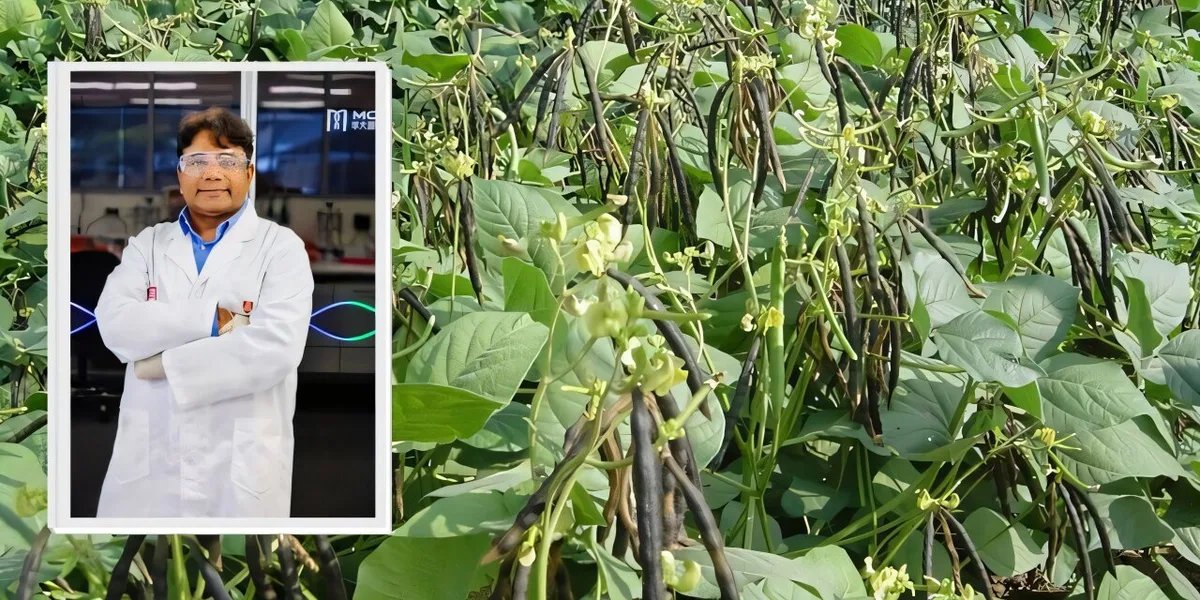
Researchers at the Center for Crop and Food Innovation (CCFI) published the world's first graph-based pan-genome for mung bean in Nature Genetics, uncovering over 100,000 previously hidden structural variations. The resource identifies genetic variants linked to key agronomic traits such as seed size, pod number, and stress tolerance. This breakthrough could accelerate breeding programs for the pulse crop, which is vital for food security in Asia and Africa.
The Pan-Genome Resource
The study, published in Nature Genetics on July 10, 2026, presents a graph-based pan-genome constructed from 16 diverse mung bean accessions. The researchers identified 103,472 structural variants (SVs), including deletions, insertions, inversions, and duplications, many of which were missed by previous single-reference genome analyses. These SVs affect genes involved in flowering time, seed development, and disease resistance.
Agronomic Trait Associations
By integrating the pan-genome with genome-wide association studies (GWAS), the team pinpointed SVs linked to seed weight, pod number, and days to maturity. For instance, a 1.2-kb deletion in the VrMYB111 gene promoter was associated with a 15% increase in seed size. Another SV near VrFT2a explained 22% of variation in flowering time across accessions.
Breeding Implications
The pan-genome provides a comprehensive catalog of genetic diversity that breeders can use to select for improved yield and stress tolerance. Mung bean is a key protein source in South and Southeast Asia, with global production exceeding 7 million tonnes annually. The resource is publicly available through the MungBean Pan-Genome Database.
1 source
Time · lag behind first