Nagoya University deploys decoy molecules to combat soil pollutants
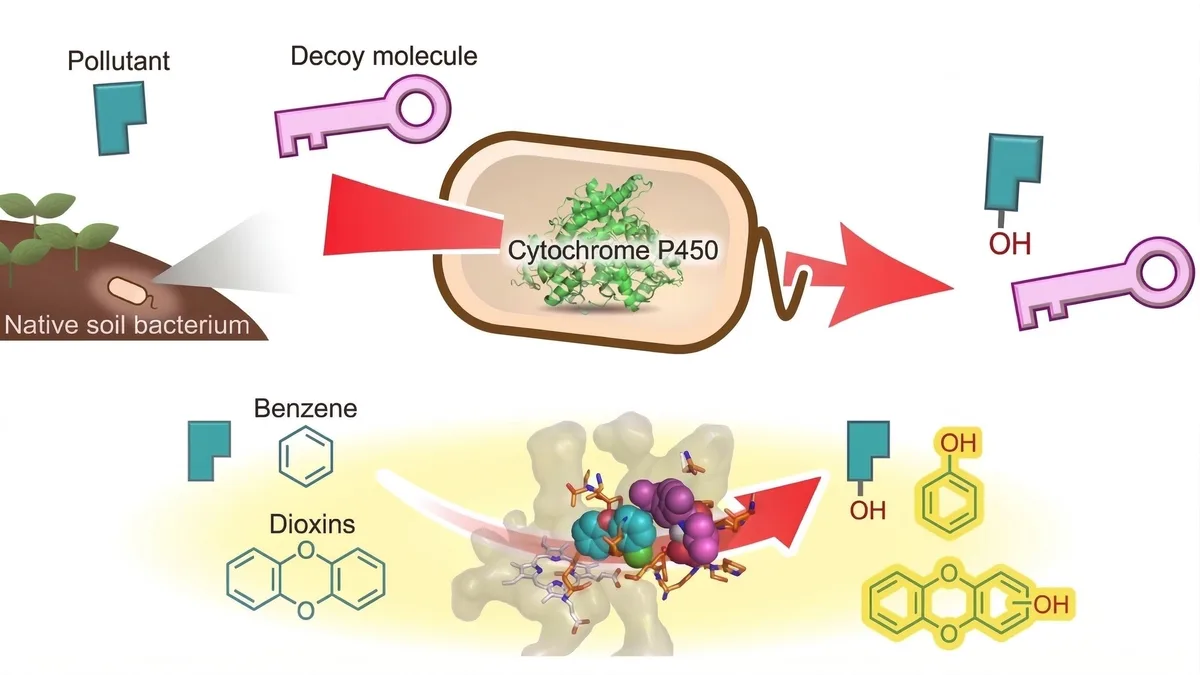
Nagoya University researchers have developed a method using decoy molecules to enable native soil bacteria to degrade persistent pollutants like dioxins. This approach does not require genetic modification of the bacteria. The study's findings could lead to more sustainable pollution management solutions.
Decoy Molecule Method
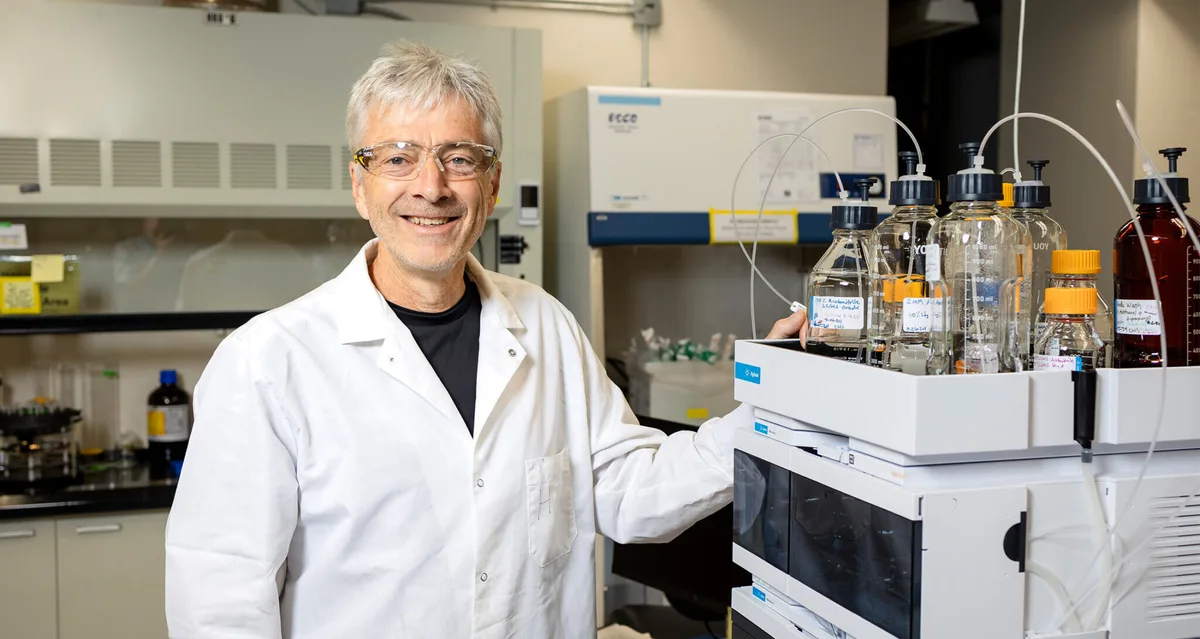
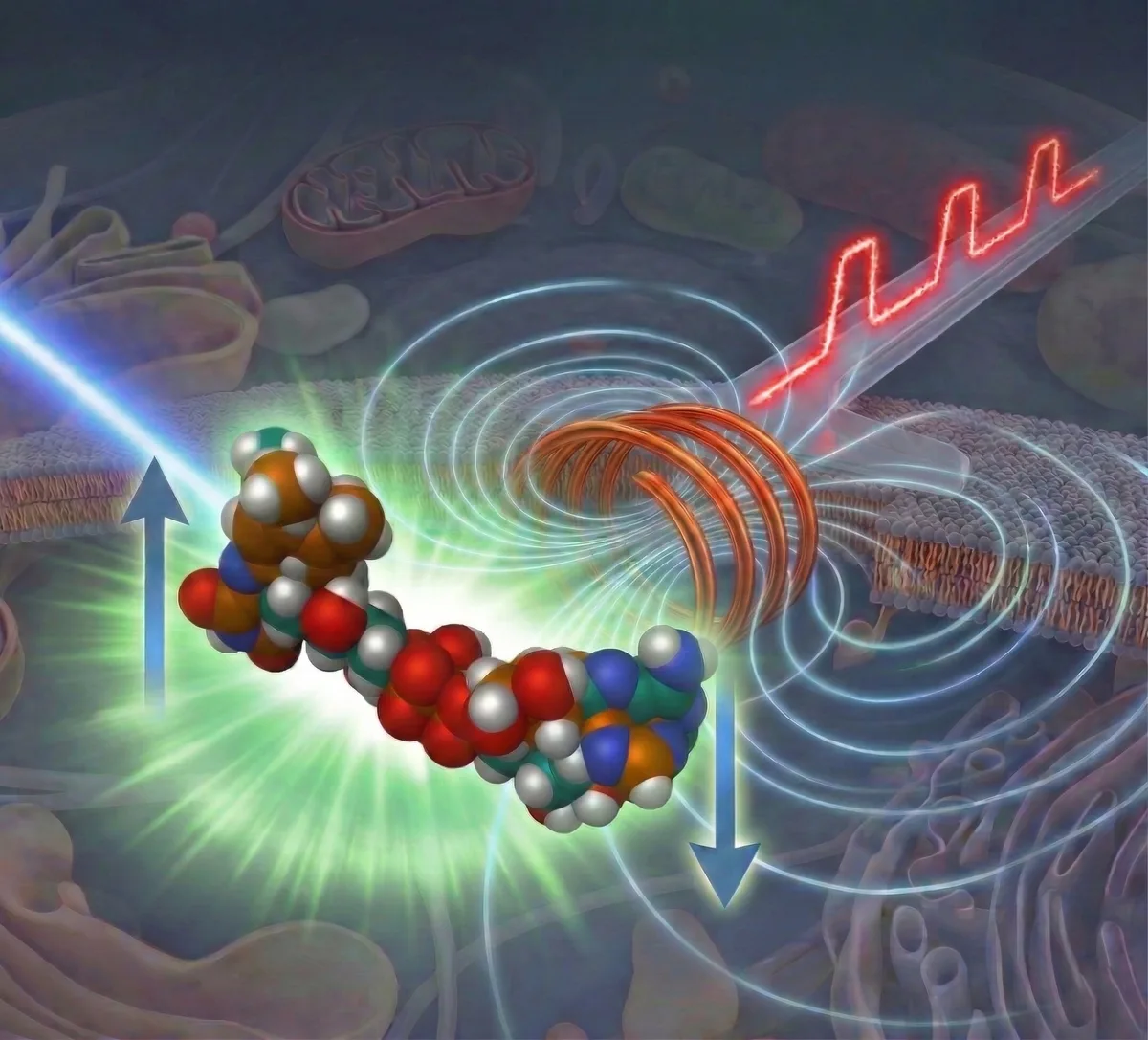
Researchers at Nagoya University have introduced decoy molecules to native soil bacteria, enabling them to break down non-native compounds, including persistent pollutants like dioxins. This method, detailed in the Journal of Materials Chemistry A, allows bacteria to gain new capabilities without genetic engineering. Professor Osami Shoji, the study's lead author, emphasized the potential of this approach to enhance bioremediation efforts.
Potential Environmental Impact
The use of decoy molecules could significantly impact environmental cleanup strategies by offering a non-invasive way to enhance bacterial degradation of pollutants. Nagoya University's findings suggest a scalable solution for managing soil contamination. The study highlights the possibility of applying this technique to various pollutants, potentially reducing reliance on chemical treatments.
What's Next
Further research is needed to assess the scalability of this method in diverse environments. It remains uncertain how quickly this approach can be implemented on a larger scale.
1 source
Nagoya University deploys decoy molecules to combat soil pollutants