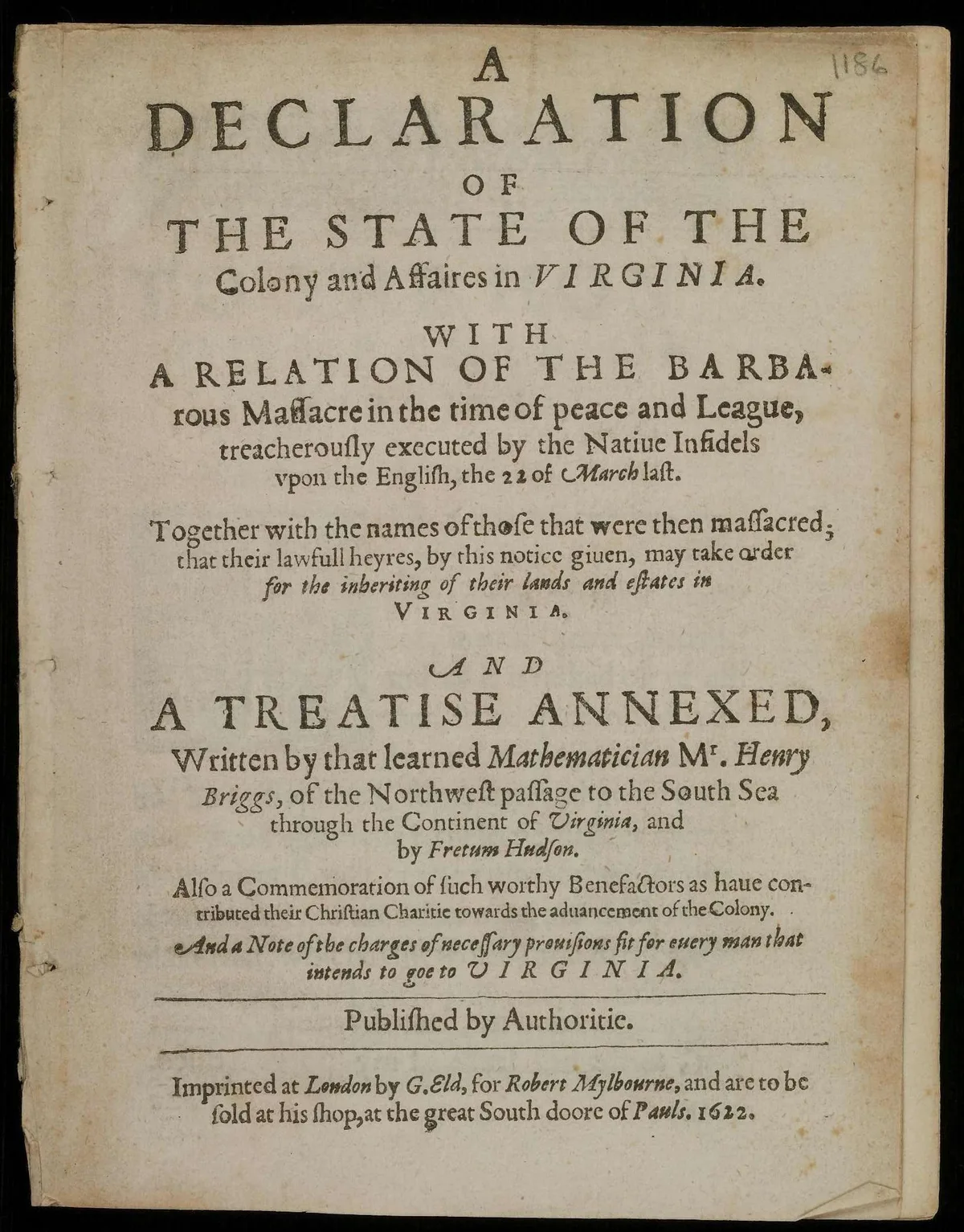
Scientists unveil DNA forensics in ancient manuscripts, revealing hidden biological data
Scientists have developed a method to extract DNA from ancient manuscripts without damaging them. This breakthrough allows researchers to uncover biological information hidden within the parchments. The technique emerges even as traditional methods risk damaging these historical artifacts.
DNA Extraction Method
Researchers at the University of Copenhagen have pioneered a non-invasive technique to extract DNA from ancient manuscripts. This method involves sampling the surface of parchments, allowing for the preservation of the original material. The team has successfully applied this technique to manuscripts dating back to the 6th century, revealing genetic information about the animals used to create the parchments.
Implications for Historical Research
The new DNA forensics method offers significant potential for historical research by providing insights into the origins and trade routes of ancient manuscripts. The British Library and the Vatican Library have expressed interest in applying this technique to their collections. This advancement could redefine the understanding of historical document provenance, even as debates continue over the ethical implications of genetic data extraction.
What's Next
The research team plans to expand their study to include more diverse manuscript collections. It remains unclear how this technique will influence the conservation policies of major libraries.
1 source
Scientists unveil DNA forensics in ancient manuscripts, revealing hidden biological data