University of Tokyo unveils imaging technique amid magnetic chemistry breakthrough
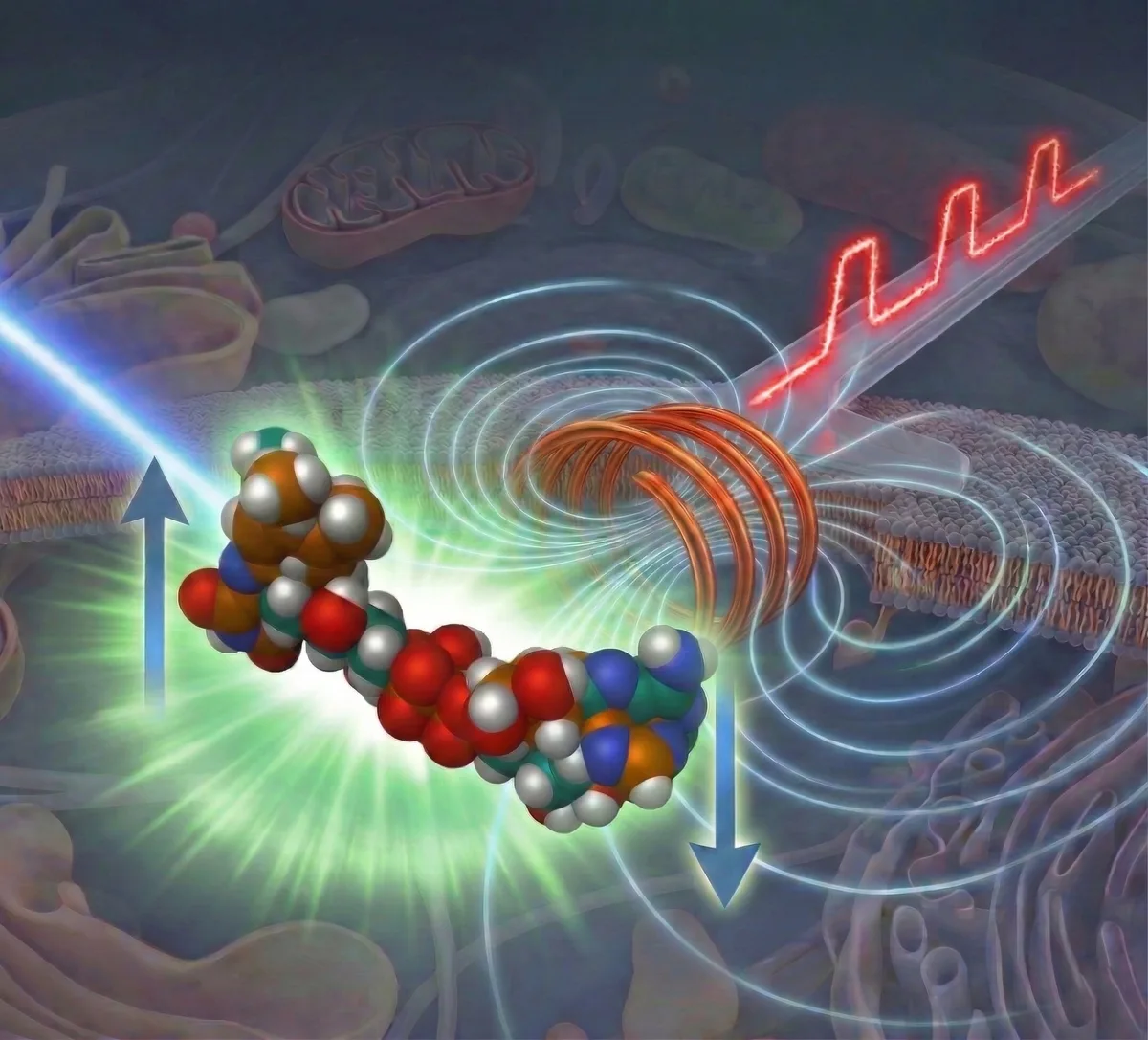
Researchers at the University of Tokyo have developed a new microscopy platform to observe biomolecular chemistry linked to weak magnetic fields. This advancement addresses a gap in life-science measurement, revealing previously hidden 'dark' molecules. The technique emerges even as conventional fluorescence imaging fails to detect these molecules.
New Microscopy Platform
The University of Tokyo's research team, led by Noboru Ikeya and Professor Jonathan R. Woodward, has introduced a microscopy platform capable of observing biomolecular chemistry influenced by weak magnetic fields. This platform addresses the challenge of detecting 'dark' molecules, which do not emit light and thus escape conventional imaging techniques. The development represents a significant step in life-science measurement, enabling the study of spin-dependent reactions.
Technical Gap in Life Sciences
Conventional fluorescence imaging has struggled to detect intermediates in spin-dependent reactions due to their non-emissive nature. The new technique developed by the University of Tokyo researchers fills this gap by revealing these hidden molecules. The advancement could lead to new insights in biomolecular chemistry, potentially impacting various fields of biological research.
What's Next
The research team plans to refine the microscopy platform for broader applications. It remains uncertain how quickly this technology will be adopted in other scientific fields.
1 source
University of Tokyo unveils imaging technique amid magnetic chemistry breakthrough