University of Tennessee finds bacteria integrate PFAS into cell membranes
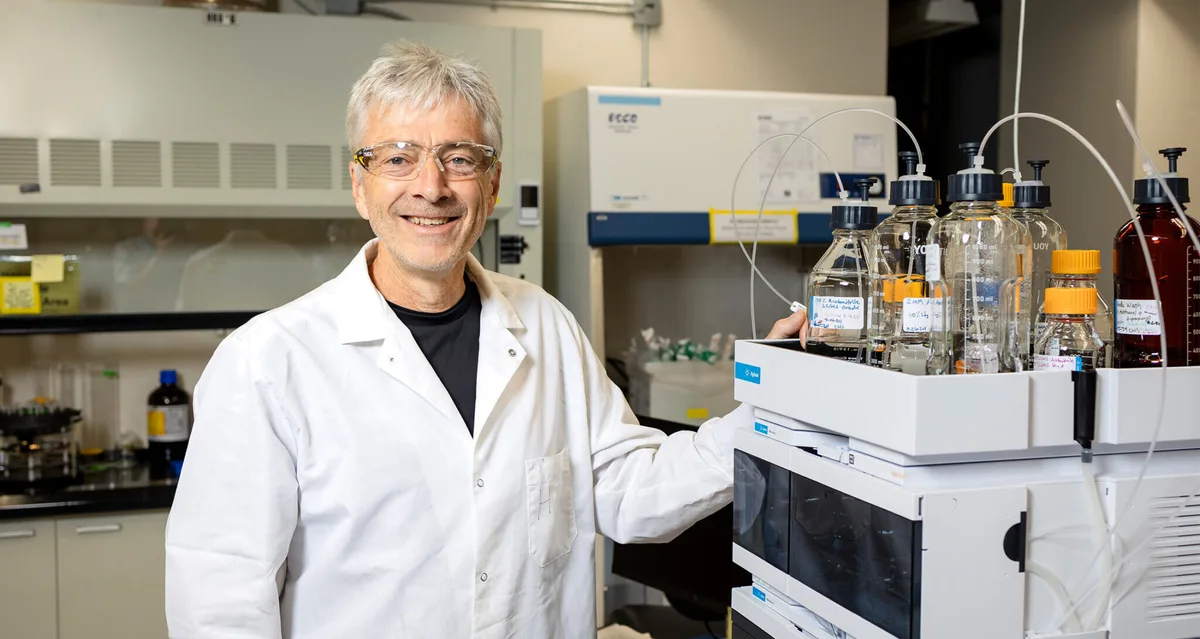
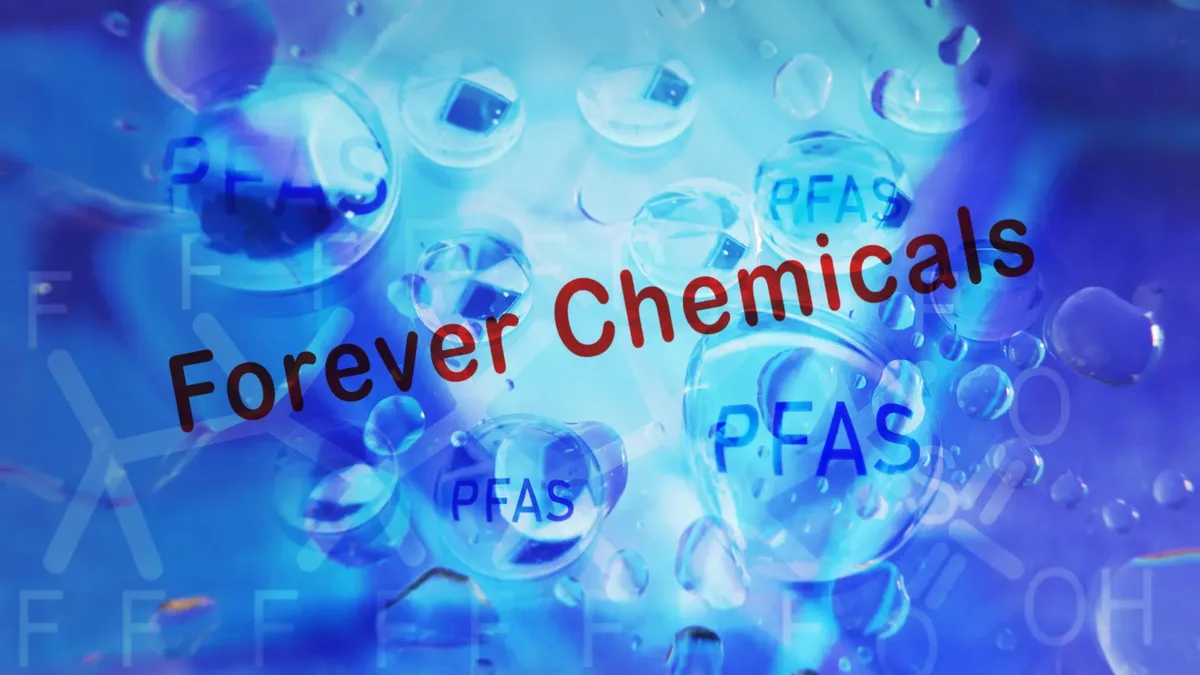
Researchers at the University of Tennessee Knoxville have discovered that bacteria incorporate polyfluoroalkyl carboxylates into their cell membranes. This finding was published in Nature Microbiology. The study raises concerns about the environmental impact of these 'forever chemicals'.
Research Findings
The study conducted by Frank Loeffler and his team at the University of Tennessee Knoxville revealed that bacteria are incorporating polyfluoroalkyl carboxylates into their cell membranes. These substances are a type of per- and polyfluoroalkyl substances (PFAS), commonly known as 'forever chemicals'. The research was published in the journal Nature Microbiology, highlighting a new dimension of PFAS interaction with living organisms.
Environmental Concerns
The incorporation of PFAS into bacterial cell membranes raises significant environmental concerns. PFAS are known for their persistence in the environment and potential health risks. The study's findings suggest that these chemicals could be more pervasive in biological systems than previously thought. The University of Tennessee's research adds to the growing body of evidence on the widespread impact of PFAS.
What's Next
Further research is needed to understand the full implications of PFAS integration into biological systems. It remains unclear how this discovery will influence regulatory policies on PFAS usage.
1 source
University of Tennessee finds bacteria integrate PFAS into cell membranes