Hiroshima University advances algal bloom forecasts with AI model amid climate change
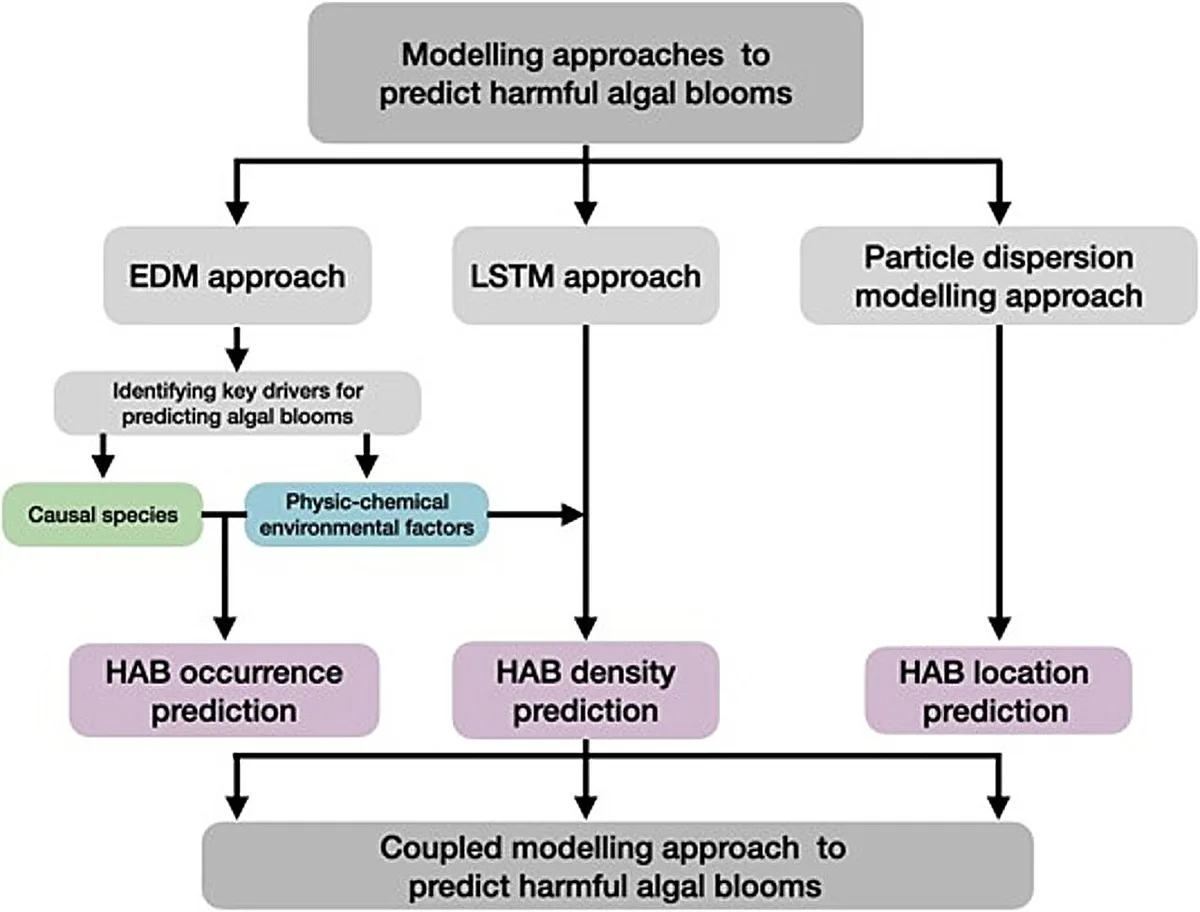
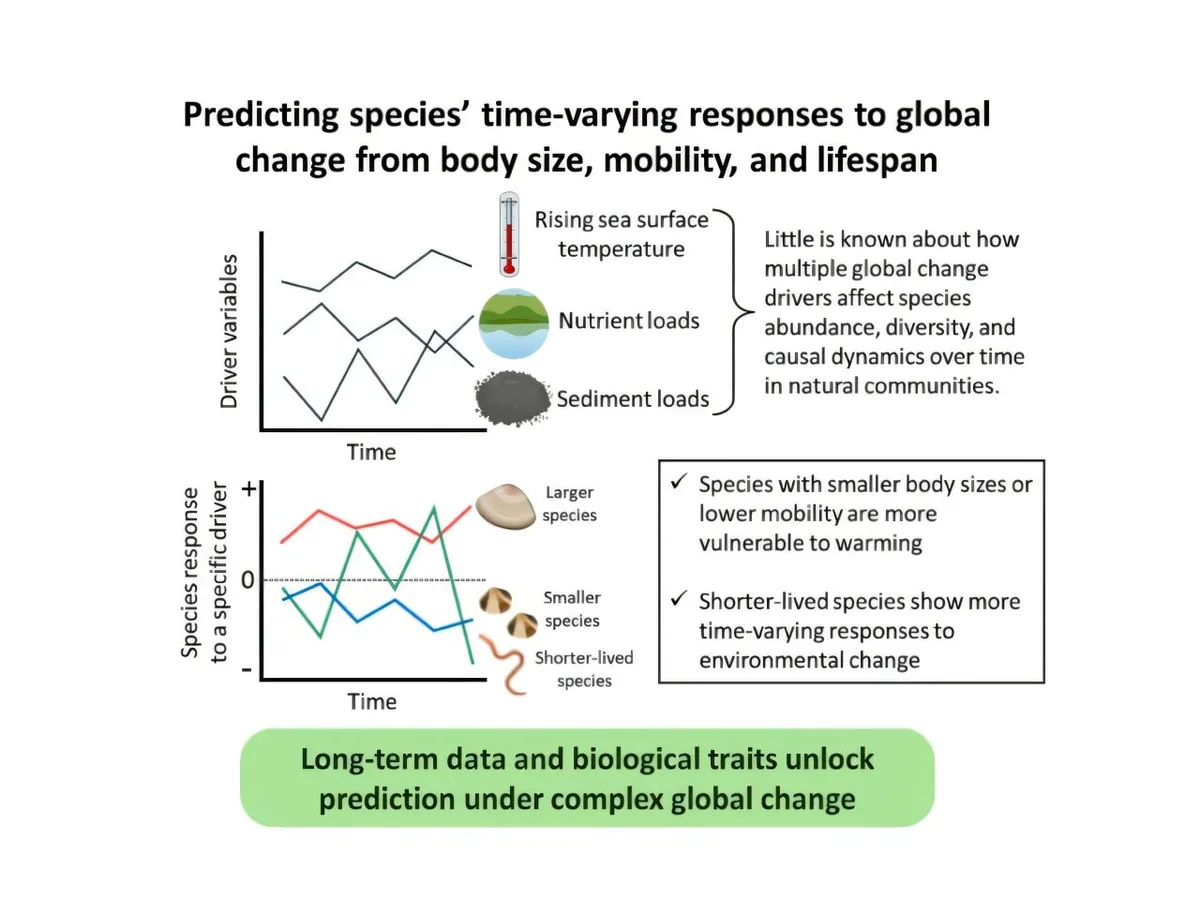
Hiroshima University has developed a new AI-based model to predict harmful algal blooms. The model integrates simulations and long-term data to improve forecast accuracy. This development comes as climate change exacerbates bloom events globally.
Hybrid Modeling Approach
The international team led by Hiroshima University has introduced a hybrid modeling approach that combines algal movement simulations with artificial intelligence. This method utilizes long-term monitoring data to enhance the accuracy of harmful algal bloom forecasts. The initiative involves collaboration with multiple research institutions globally, aiming to mitigate the environmental and economic impacts of these blooms.
Global Impact of Algal Blooms
Harmful algal blooms are linked to significant environmental damage, including mass fish die-offs and economic losses in affected regions. According to the research, these events pose risks to human health and are becoming more frequent due to climate change. The study highlights the need for improved predictive models to manage and reduce the adverse effects of these blooms.
What's Next
The research team plans to expand the model's application to more regions worldwide. It remains uncertain how quickly these improvements will be adopted by local authorities.
1 source
Hiroshima University advances algal bloom forecasts with AI model amid climate change