Yokohama University identifies traits predicting species threat amid climate change
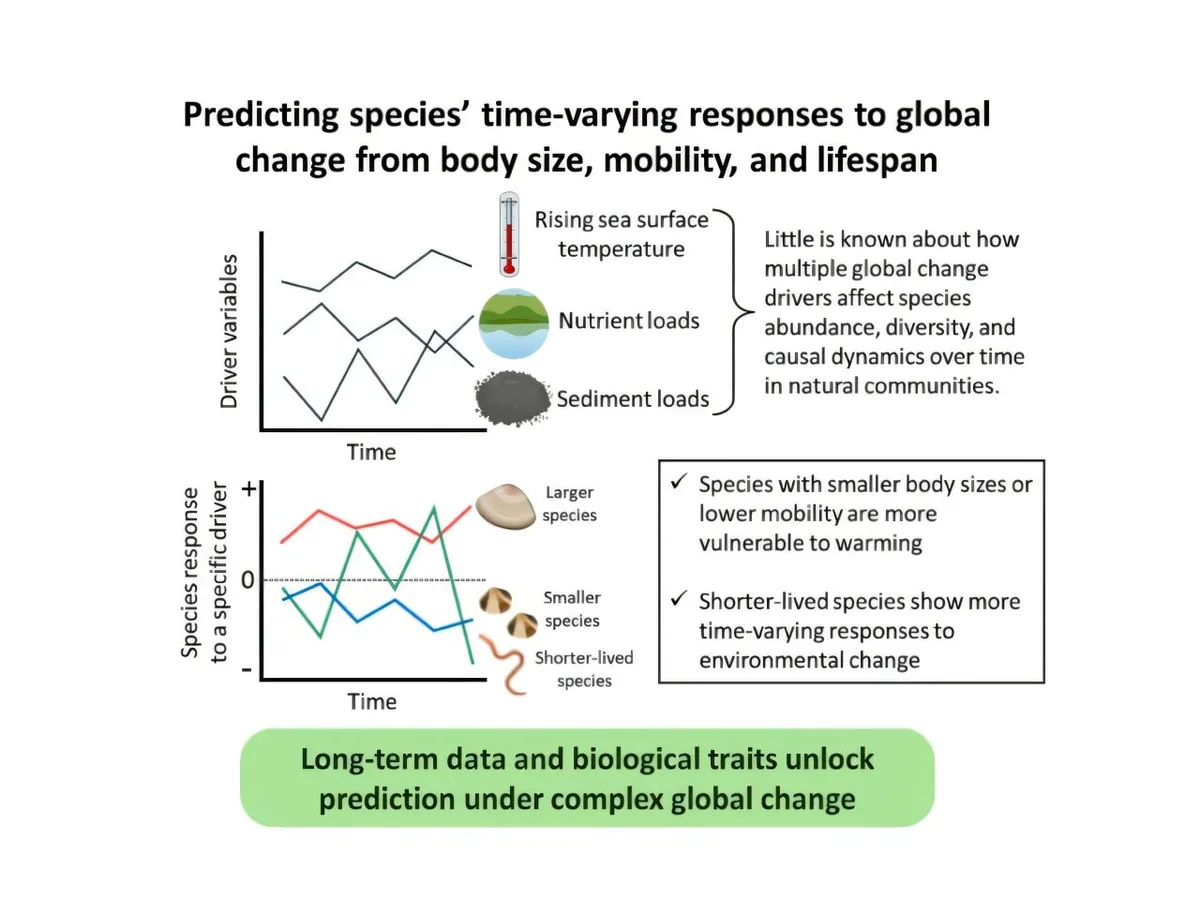
Researchers at Yokohama National University have identified biological traits that predict species' responses to environmental changes. The study, published in Nature Communications, suggests these traits could improve conservation strategies. This comes as biodiversity faces increasing threats from climate change.
Key Biological Traits
The study from Yokohama National University identifies body size, lifespan, and mobility as key traits in predicting species' vulnerability. Researchers analyzed data from multiple ecosystems to establish correlations between these traits and species survival. The findings suggest that species with larger body sizes and longer lifespans may be more resilient to environmental changes.
Implications for Conservation
The research offers a framework for enhancing conservation efforts by focusing on species with specific biological traits. By understanding these traits, conservationists can prioritize resources and strategies more effectively. The study's publication in Nature Communications highlights its significance in the scientific community.
What's Next
Further research is needed to test these findings across different ecosystems. It remains uncertain how quickly conservation strategies can adapt to these insights.
1 source
Yokohama University identifies traits predicting species threat amid climate change