Researchers analyze plastisphere microbes as plastic pollution persists globally
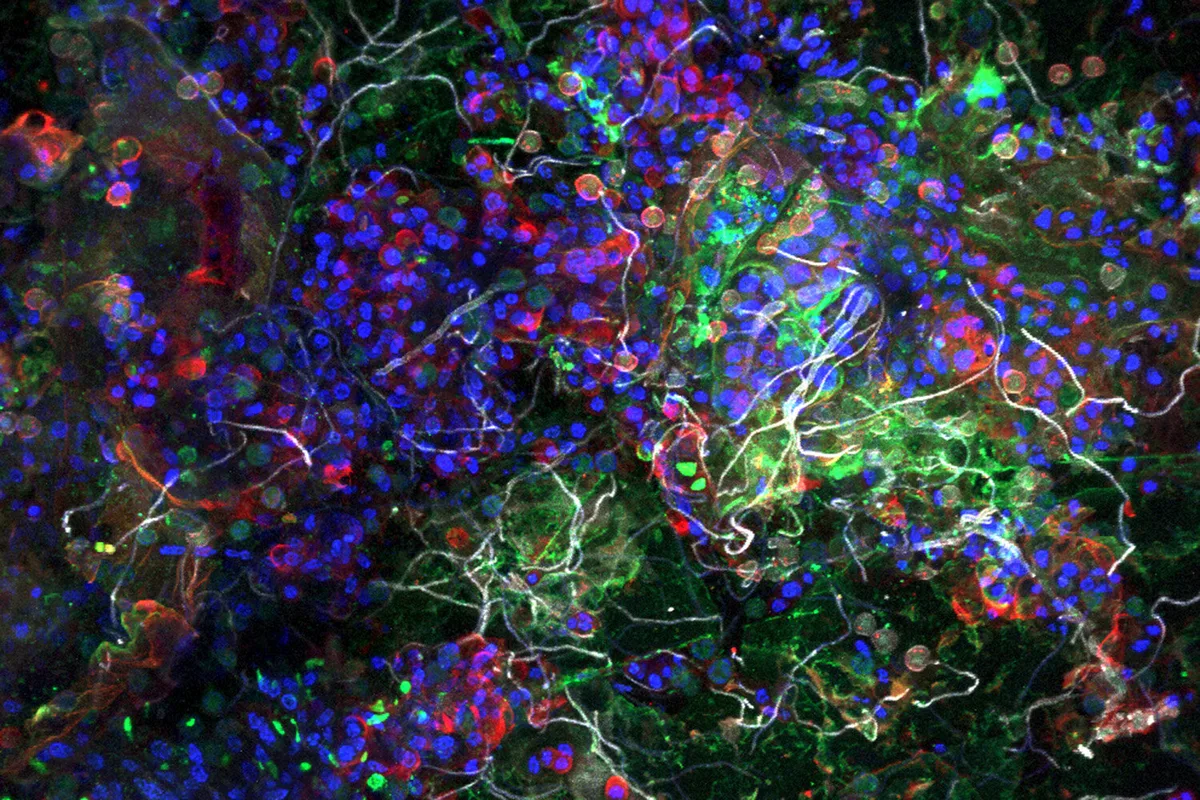
Researchers have examined bacterial metagenomes in the plastisphere, revealing larger genomes with more gene copies. This adaptation aids microbial survival on plastic particles. The study highlights the ecological impact even as plastic pollution remains unregulated.
Microbial Adaptation in Plastisphere
The study published in Environmental Pollution reveals that microbes inhabiting the plastisphere have larger genomes with more gene copies related to functional processes. This adaptation is crucial for their survival on plastic particles. The research involved analyzing bacterial metagenomes, comparing them to marine plankton. The findings suggest that the plastisphere offers a unique habitat for these microorganisms.
Ecological Significance and Research Focus
The ecological role of the plastisphere is under investigation by numerous research projects globally. The presence of bacteria, viruses, fungi, and algae on plastic particles raises questions about their impact on natural communities. The study's results emphasize the need for further exploration of how these organisms interact with their environment. The ongoing research aims to understand the broader implications of plastic pollution.
What's Next
The global community continues to debate a comprehensive agreement on plastic pollution. It remains uncertain how soon effective regulations will be implemented.
1 source
Researchers analyze plastisphere microbes as plastic pollution persists globally