
Iran links IAEA access to sanctions relief amid growing U.S. military pressure
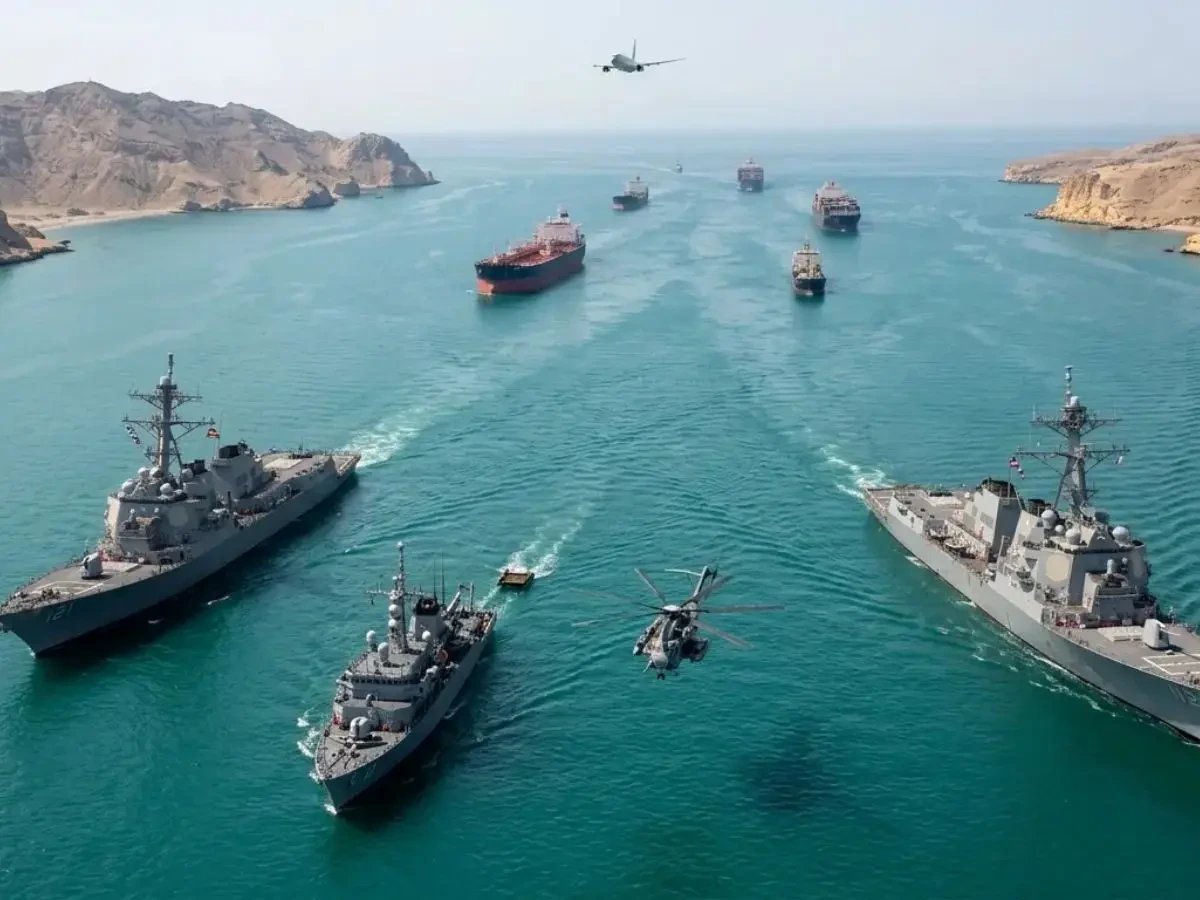
Iran has signaled it may allow IAEA inspectors to access damaged nuclear facilities if sanctions are eased. The U.S. has sent about 9,000 troops to the Middle East, and President Trump has not ruled out further strikes. Meanwhile, oil exports from the region are recovering to pre-war levels.
Sources
· 12Иран может допустить инспекторов МАГАТЭ к ядерным объектам при смягчении санкций
1США направляют 9 000 военных на Ближний Восток на фоне угроз Трампа Ирану
2Экспорт нефти с Ближнего Востока восстановился до 98% довоенного уровня, но дефицит дизеля сохраняется
3Трамп допустил усиление бомбардировок Ирана после ноябрьских выборов
4Рычаги Ирана в Ормузском проливе слабеют: нефтяные потоки восстановились до 80% довоенного уровня
5Иран угрожает энергообъектам и пишет письмо американским избирателям в ожидании ответа
6Иран заявляет, что атаки в Ормузском проливе оттеснили корабли США от побережья
7Иран перенаправляет торговлю на Каспий из-за блокады южных портов США
8Иран дал понять о готовности к сделке с США до ноябрьских выборов
9США призвали американцев пересмотреть поездки на Ближний Восток из-за напряжённости с Ираном
10Трамп пригрозил Оману ударами, если тот помешает переговорам США и Ирана
11Два танкера развернулись после пожара в Ормузском проливе, сообщил КСИР
12Key points
- Iran may allow international inspectors to access nuclear facilities damaged during the conflict with the United States and Israel if sanctions pressure is eased; the issue was discussed by Abbas Araghchi in New York.
- The U.S. is sending about 9,000 troops and a third carrier strike group to the Middle East; President Trump said new strikes on Iran remain a possible option.
- Middle East oil exports reached 98% of pre-war levels in September, and flows through the Strait of Hormuz recovered to almost 80%.
- Iran threatened to attack the region's energy infrastructure if its security is not guaranteed and announced a shift of trade to the Caspian Sea.
- Iranian President Pezeshkian said on September 24 that Tehran is ready to reach an agreement with the United States before the November congressional elections, and Trump called intensified bombing after the elections possible.
What happened
Iran may allow international inspectors to access nuclear facilities damaged during the conflict with the United States and Israel if sanctions pressure is eased. Foreign Minister Abbas Araghchi discussed the possibility with European and Middle Eastern diplomats in New York on the sidelines of the UN General Assembly. The U.S. is sending about 9,000 troops on ships to the Middle East, including a third carrier strike group, bringing the U.S. Navy presence to more than 20,000 sailors and Marines. President Donald Trump said new strikes on Iran remain a possible option as Washington examines possible Iranian links to the attack on a FlyDubai flight.
Middle East oil exports reached 98% of pre-war levels in September, despite continuing Iranian attacks on ships in the Strait of Hormuz. The recovery was supported by the Saudi East-West pipeline, shuttle tankers and ship-to-ship transfers, although three tankers were hit on September 30. On September 29, Iran threatened to attack energy infrastructure in the Middle East if its security was not guaranteed. U.S. media reported that on September 14 eight U.S. Marines suffered smoke inhalation and possible traumatic brain injuries after an Iranian anti-ship cruise missile struck their vessel.
Why it matters
In Iran, annual inflation is approaching 90%, and the rial has fallen about 30% against the dollar. Diesel fuel prices in the EU have reached record highs, and U.S. prices have risen sharply because of persistent refining bottlenecks. President Trump rejected a recent Iranian offer to open the Strait of Hormuz in exchange for U.S. concessions, calling it “not good enough.” Iranian President Masoud Pezeshkian said on September 24 that Tehran is ready to reach an agreement with the United States to end the war before the midterm congressional elections in early November. Iran is redirecting oil exports and imports of essential goods to Caspian Sea ports because of the U.S. naval blockade and airstrikes on southern routes; falling water levels reduced vessel cargo capacity from 6,000 to 4,000 tons, and up to 1,800 trucks have backed up at the Nordooz border crossing.
Previously
- The U.S. State Department urged Americans to reconsider travel to the Middle East because of tensions with Iran.
- Trump threatened Oman with bombing if the sultanate interfered in U.S.-Iranian negotiations.
- Two oil tankers turned back after a fire in the Strait of Hormuz, the IRGC said.
What's Next
Tehran has said it is ready to reach an agreement with the United States to end the war before the midterm congressional elections in early November. Iran is also awaiting a U.S. response to its plan to open the Strait of Hormuz.
Related original articles
- 4h agoИран может допустить инспекторов МАГАТЭ к ядерным объектам при смягчении санкцийMezha
- 7h agoСША направляют 9 000 военных на Ближний Восток на фоне угроз Трампа ИрануIndia Today
- 13h agoЭкспорт нефти с Ближнего Востока восстановился до 98% довоенного уровня, но дефицит дизеля сохраняетсяRFE/RL Central Asia
- 16h agoТрамп допустил усиление бомбардировок Ирана после ноябрьских выборовThe Edge Malaysia
- 1d agoРычаги Ирана в Ормузском проливе слабеют: нефтяные потоки восстановились до 80% довоенного уровняAl Jazeera English
- 2d agoИран угрожает энергообъектам и пишет письмо американским избирателям в ожидании ответаRFE/RL Central Asia
- 3d agoИран заявляет, что атаки в Ормузском проливе оттеснили корабли США от побережьяAl Jazeera English
- 4d agoИран перенаправляет торговлю на Каспий из-за блокады южных портов СШАAl Jazeera English
- 6d agoИран дал понять о готовности к сделке с США до ноябрьских выборовDW