
Iran claims success in the Strait of Hormuz, redirects trade and signals openness to a deal with the U.S.
Iran simultaneously claims military successes in the Strait of Hormuz, redirects foreign trade to the Caspian and signals openness to a possible deal with the United States before the November elections. These reports continue the theme of confrontation around the key maritime route and the associated economic consequences.
Sources
· 5Иран заявляет, что атаки в Ормузском проливе оттеснили корабли США от побережья
1Иран перенаправляет торговлю на Каспий из-за блокады южных портов США
2Иран дал понять о готовности к сделке с США до ноябрьских выборов
3Трамп пригрозил Оману ударами, если тот помешает переговорам США и Ирана
4Цены на нефть упали на 2,9% на фоне переговоров Ирана и ССАГПЗ о возобновлении судоходства в Ормузском проливе
5Key points
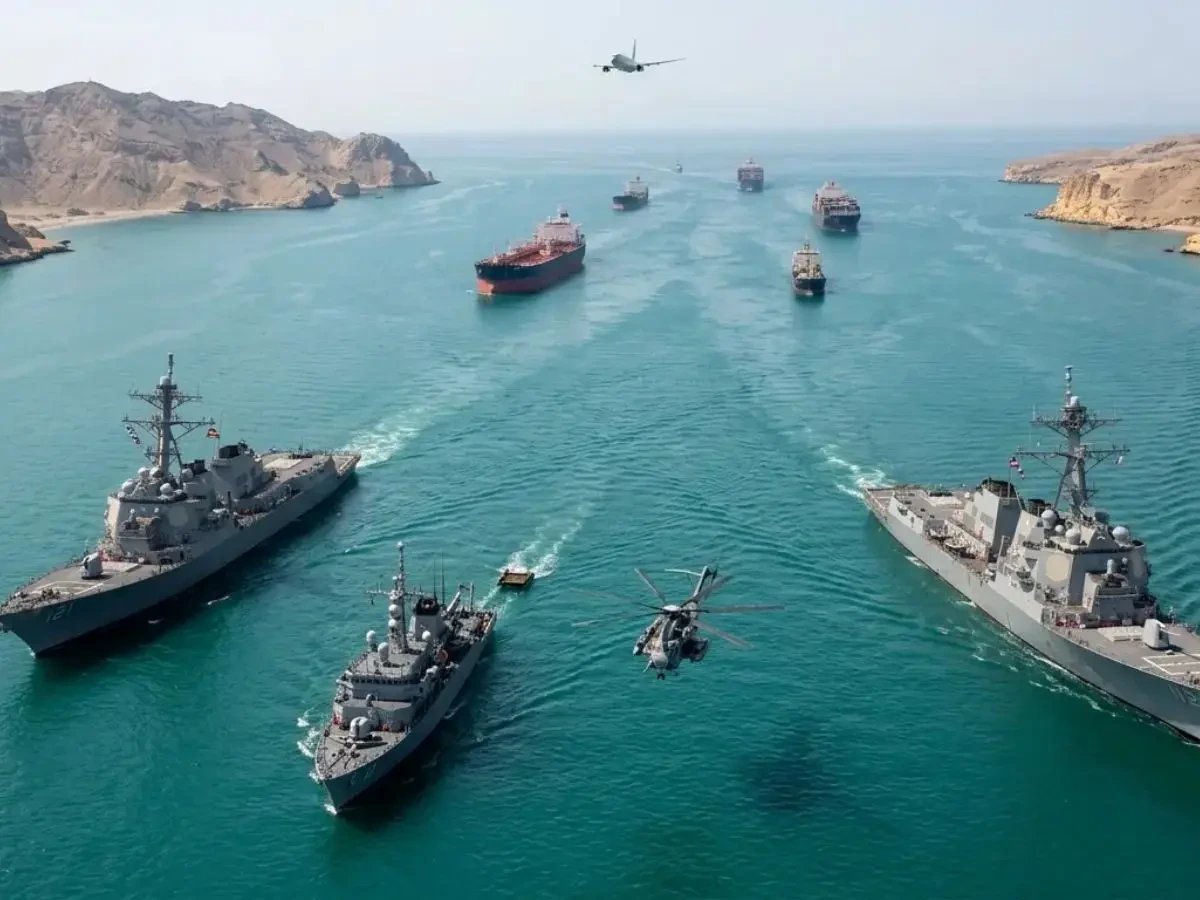
- Iran claimed that attacks in the Strait of Hormuz pushed U.S. ships away from the Iranian coast.
- Iran is redirecting oil exports and imports of essential goods to Caspian Sea ports because of the U.S. naval blockade and airstrikes on southern routes, facing a drop in ship carrying capacity from 6,000 to 4,000 tons and queues of up to 1,800 trucks at the Nordooz border crossing.
- Iranian President Masoud Pezeshkian on September 24 signaled readiness to conclude an agreement with the United States to end the war before the congressional midterm elections in early November.
What happened
Against the backdrop of the U.S. naval blockade and airstrikes on southern routes, Iran is redirecting oil exports and imports of essential goods to Caspian Sea ports. The northern route is running into logistical constraints: falling water levels have cut ship carrying capacity from 6,000 to 4,000 tons, and up to 1,800 trucks have lined up at the Nordooz border crossing with Armenia.
Iranian President Masoud Pezeshkian said on September 24 in New York, on the sidelines of the UN General Assembly session, that Tehran was ready to conclude an agreement with the United States to end the war before the congressional midterm elections in early November. The statement came against the backdrop of Houthi attacks on Saudi Arabia that sharply reduced shipping through the Red Sea. President Donald Trump is seeking to end the conflict against the backdrop of rising fuel prices and forecasts that Republicans will lose at least one chamber of Congress.
Why it matters
The impact on oil prices had already been recorded earlier: on Friday, Brent fell 2.9% to $104.52 per barrel after reports of an upcoming meeting between GCC foreign ministers and their Iranian counterpart. It was the first such meeting since the start of the U.S. and Israeli war against Tehran.
Who's affected
The trade reorientation is affecting Caspian Sea ports and the Nordooz land border crossing with Armenia, where up to 1,800 trucks have backed up. Oman is also mentioned in the context of shipping negotiations: Trump previously threatened to bomb Oman if the sultanate impeded U.S.-Iranian talks.
Related original articles
- 5h agoИран заявляет, что атаки в Ормузском проливе оттеснили корабли США от побережьяAl Jazeera English
- 1d agoИран перенаправляет торговлю на Каспий из-за блокады южных портов СШАAl Jazeera English
- 3d agoИран дал понять о готовности к сделке с США до ноябрьских выборовDW