
Fed September 16: Sources Diverge on Rate Decision
On September 16, 2026, the Federal Reserve changed the target range for the federal funds rate, but sources describe the move differently: some report an increase to 3.75–4%, others a cut to the same level. The discussion focuses on the weak link between the Fed rate and mortgage rates, and on persistently high credit card rates.
Sources
· 6Повышение ставки ФРС слабо связано с ипотечными ставками, доходность казначейских облигаций определяет 30-летние кредиты
1Повышение ставки ФРС до 3,75–4% усиливает разрыв между ИИ и жильём в экономике США
2Снижение ставки ФРС не изменило высокие ставки по кредитным картам
3Ставки ФРС могут вырасти на фоне роста цен на нефть и инфляции из-за войны с Ираном
4Протоколы ФРС показали, что несколько политиков были готовы повысить ставку на июльском заседании
5ФРС повысила ставку до 3,75–4% впервые при председателе Уорше
6Key points
- According to one report, the Federal Reserve raised its benchmark rate by a quarter point to 3.75–4% on September 16, 2026, citing elevated inflation.
- A report from the same day describes the decision as a 25-basis-point cut in the target range to 3.75–4%, the first since July 2023.
- The Fed does not set mortgage rates directly; the 30-year mortgage rate follows the 10-year Treasury yield and rose to 7% before the decision.
- Average credit card rates remain just below 21%, and total U.S. card debt is about $1.26 trillion.
- The decision is expected to slow the housing sector and consumer lending, but AI investment will remain virtually unaffected.
What happened
On September 16, 2026, the Federal Reserve voted unanimously to raise the benchmark rate by a quarter percentage point to a new target range of 3.75–4% and characterized inflation as still elevated. At the same time, one article from that day describes the decision as a 25-basis-point reduction in the target range to 3.75–4%, the first since July 2023. Another article stresses that the Fed does not set mortgage rates: the 30-year fixed mortgage rate usually follows the 10-year Treasury yield, and it rose to 7% before the decision when the yield reached 5%.
Why it matters
This decision is expected to slow the housing sector and consumer lending further, while AI investment will remain virtually unaffected. For credit card holders, average rates remain just below 21%, and total U.S. card debt is about $1.26 trillion. In the mortgage market, the 30-year loan rate had already reached 7% before the Fed decision, following the 10-year Treasury yield, which climbed to 5%.
Earlier
- At the July meeting, the rate remained in the 3.50–3.75% range, although several officials were ready to raise it.
- Ahead of the September decision, markets were betting on an increase amid rising oil prices and inflation caused by the U.S.-Iran war.
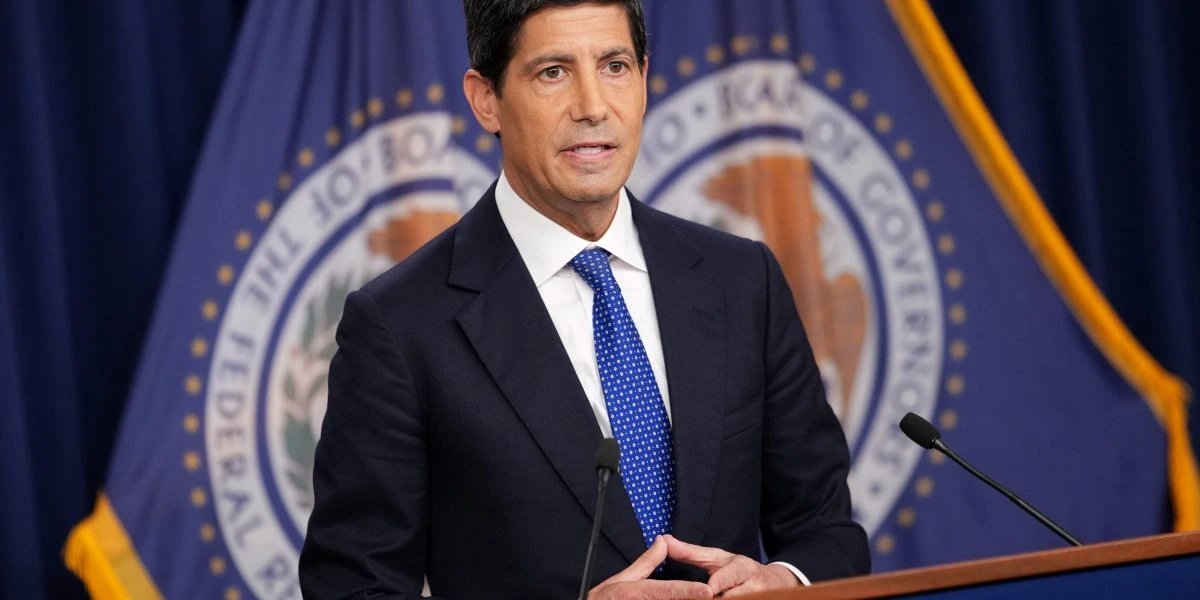
- On September 16, the Fed raised the rate to 3.75–4% — the first decision under Chair Kevin Warsh, and 12 of 18 officials expect another increase this year.
Who's affected
Borrowers are directly affected: average credit card rates remain just below 21%, debt is about $1.26 trillion, while the 30-year mortgage rate has risen to 7%. The housing sector and consumer lending are expected to slow, while AI investment will be virtually unaffected.
Related original articles
- 14h agoПовышение ставки ФРС до 3,75–4% усиливает разрыв между ИИ и жильём в экономике СШАFortune
- 14h agoПовышение ставки ФРС слабо связано с ипотечными ставками, доходность казначейских облигаций определяет 30-летние кредитыYahoo Finance
- 5d agoСнижение ставки ФРС не изменило высокие ставки по кредитным картамYahoo Finance