
Ukrainian Drones Halted Three of Russia's Six Largest Diesel Refineries
Ukrainian strikes on Russian refineries disabled half of the largest diesel plants, and Russia responded with strikes on Ukraine's fuel infrastructure. Civilian casualties occurred in recent days and combat affected Lithuania. The exchange of strikes continues amid statements about a ceasefire on energy facilities.
Sources
· 10Украинские дроны остановили три из шести крупнейших НПЗ России по дизтопливу
1Россия и Украина обменялись ударами по энергообъектам, истребитель НАТО сбил дрон над Литвой
2Россия нанесла удары по «Запорожстали» и судам в Черноморске
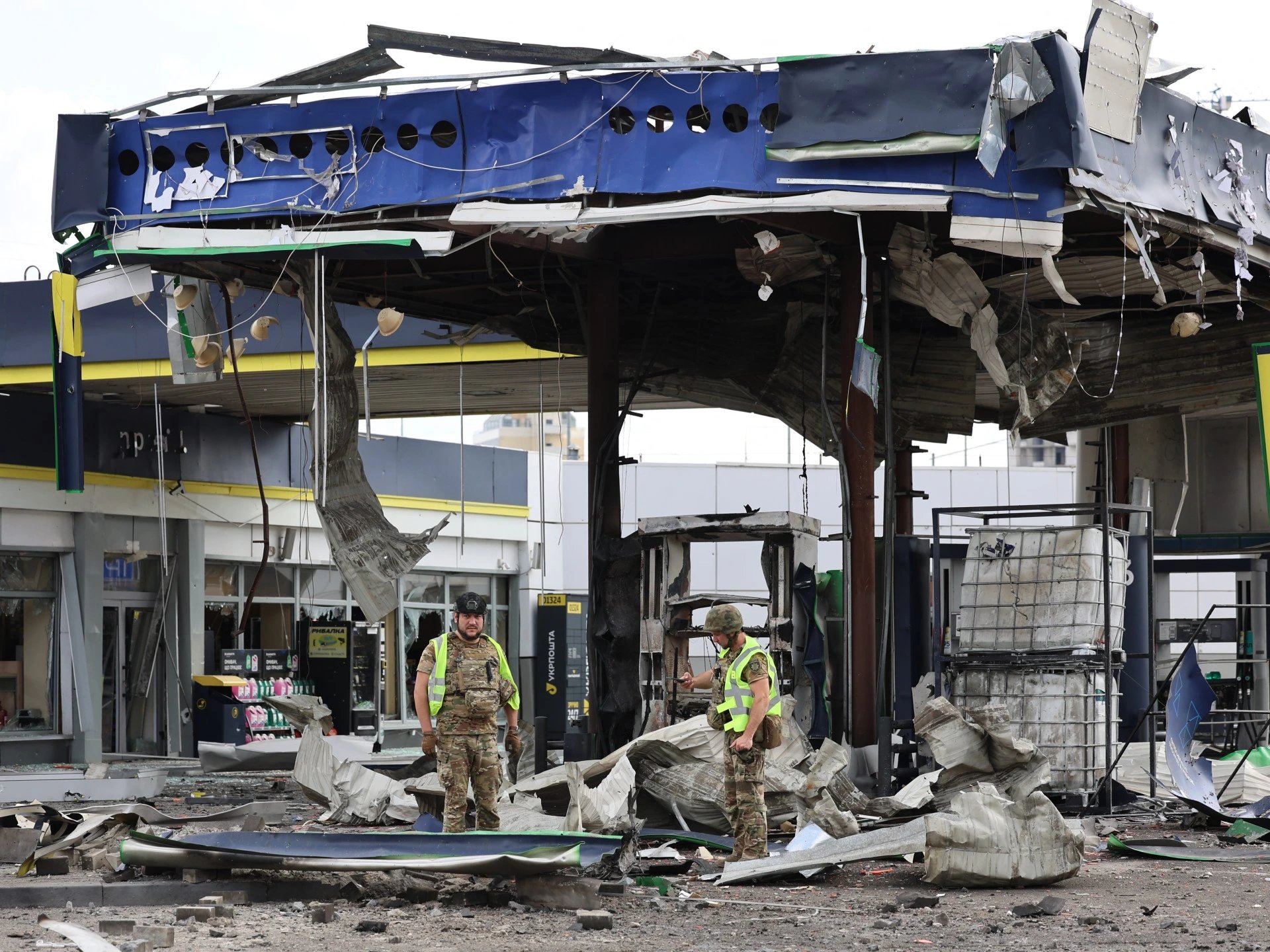
3Российские удары дронов по АЗС в Киеве убили двух человек, шестеро ранены
4Украинские дроны атаковали НПЗ «Славнефть-ЯНОС» в Ярославле, вызвав пожар
5Украина атаковала два НПЗ в России, 11 погибли от ударов РФ
6Россия нанесла удары по порту Пивденный под Одессой, повреждены судно и подстанция
7Российские дроны ударили по погранпереходу Ягодин и поезду Киев-Варшава у границы с Польшей
8Россия нанесла ночной удар по Киеву ракетами и дронами
9Удары дронов по российским НПЗ вынуждают Кыргызстан и Таджикистан диверсифицировать поставки топлива
10Key points
- Ukrainian strikes stopped or limited to 25% of capacity at three of Russia's six largest diesel refineries — Kirishi, Volgograd, and NORSI.
- On the night of September 15, Russia and Ukraine exchanged strikes on energy facilities; a gas station was damaged in Kyiv, a warehouse in Taganrog, and a NATO fighter shot down a drone over Lithuania.
- Russian diesel exports in June fell below 1 million tons versus about 2.5 million tons a year earlier; US diesel prices exceeded $6 per gallon for the first time.
- Russia's Defense Ministry stated it struck Zaporizhstal, Interpipe Steel, and two cargo ships in Chornomorsk.
What happened
On the night of September 15, Russia and Ukraine exchanged strikes on energy facilities. The attacks occurred hours after US President Donald Trump announced that Moscow and Kyiv had agreed not to strike each other's energy infrastructure. A NATO fighter shot down a drone that entered Lithuanian airspace from Belarus.
Russia's Defense Ministry stated that on Saturday its forces struck the Ukrainian Zaporizhstal steel plant in Zaporizhzhia and the Interpipe Steel complex in Dnipro, and also hit two cargo ships in the port of Chornomorsk. The strikes followed a Ukrainian drone attack on industrial facilities in Russia's Samara region.
Two people were killed and six injured; Ukraine declared Friday a day of mourning. On Thursday, Russia also struck a gas station in Kyiv.
Why it matters
The reduced operation of major diesel refineries affected exports: in June Russia shipped abroad less than 1 million tons of diesel versus about 2.5 million tons a year earlier. Strikes on Russian refineries forced Moscow to restrict fuel exports, prompting Kyrgyzstan and Tajikistan to diversify supplies. US diesel prices exceeded $6 per gallon for the first time last week.
Earlier
- Ukrainian drones attacked the Slavneft-YANOS refinery in Yaroslavl, causing a fire; the plant with capacity of about 300,000 barrels per day supplies fuel to the Russian army.
- Ukraine attacked the Bashneft-Novoyl and Slavneft-Yanos refineries; at least 11 people died from Russian attacks, and Kherson was fully blacked out.
- Russia struck the port of Pivdennyi near Odesa, hitting a fuel vessel and a substation.
- A Russian drone struck the Yahodyn border crossing and the Kyiv-Warsaw train on September 13; no casualties.
- Russia carried out a nighttime strike on Kyiv with missiles and drones, damaging residential buildings and infrastructure.
Related original articles
- 6h agoУкраинские дроны остановили три из шести крупнейших НПЗ России по дизтопливуOilPrice
- 13h agoРоссия и Украина обменялись ударами по энергообъектам, истребитель НАТО сбил дрон над ЛитвойRFE/RL Central Asia
- 3d agoРоссия нанесла удары по «Запорожстали» и судам в ЧерноморскеAl Jazeera English
- 4d agoРоссийские удары дронов по АЗС в Киеве убили двух человек, шестеро раненыAl Jazeera English
- 5d agoУкраина нанесла удар по арктическим газовым заводам, жертвами атак РФ стали 7 человекAl Jazeera English