
Solar system may collapse within 6 billion years, study finds
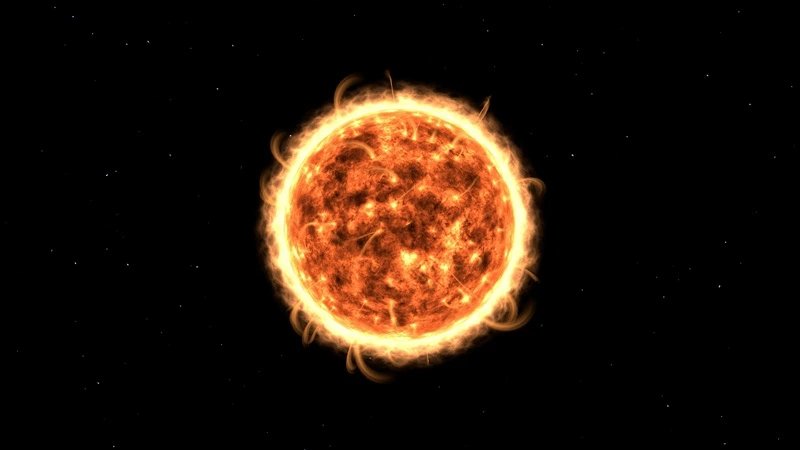
This digest was compiled by AI from multiple sources — links to the originals are below.
A new study models the solar system's future as the Sun becomes a red giant and then a white dwarf. The research suggests the system is highly unstable and may collapse within about six billion years. The findings revise earlier estimates that outer planets could survive up to 100 billion years.
Key Facts
- The study is published in The Astrophysical Journal Letters.
- The research was led by Konstantin Batygin from the California Institute of Astronomy.
- The Sun will engulf Mercury, Venus, and possibly Earth during its red giant phase.
- Outer planets are unlikely to survive more than a billion years after the Sun becomes a white dwarf.
Modeling the Solar System's Fate
Researchers simulated the solar system's evolution as the Sun transitions into a red giant and eventually a white dwarf. The study, titled 'The Ultimate Instability of the Solar System Induced by Stochastic Solar Mass Loss,' appears in The Astrophysical Journal Letters. The team was led by Konstantin Batygin of the California Institute of Astronomy. The findings indicate the solar system is 'highly unstable' and may collapse within about six billion years.
Revised Timeline for Outer Planets
Earlier estimates suggested outer giant planets could survive up to 100 billion years after the Sun's death. The new model shows distant objects may be thrown into fatal chaos during the red giant phase. They are unlikely to persist more than a billion years after the Sun becomes a white dwarf. The Sun's death will not merely expand the planetary system but will shake it and cause destruction.
1 source
Time · lag behind first