
US veterans and Afghan allies carry moral injury from 2021 Kabul withdrawal
This digest was compiled by AI from multiple sources — links to the originals are below.
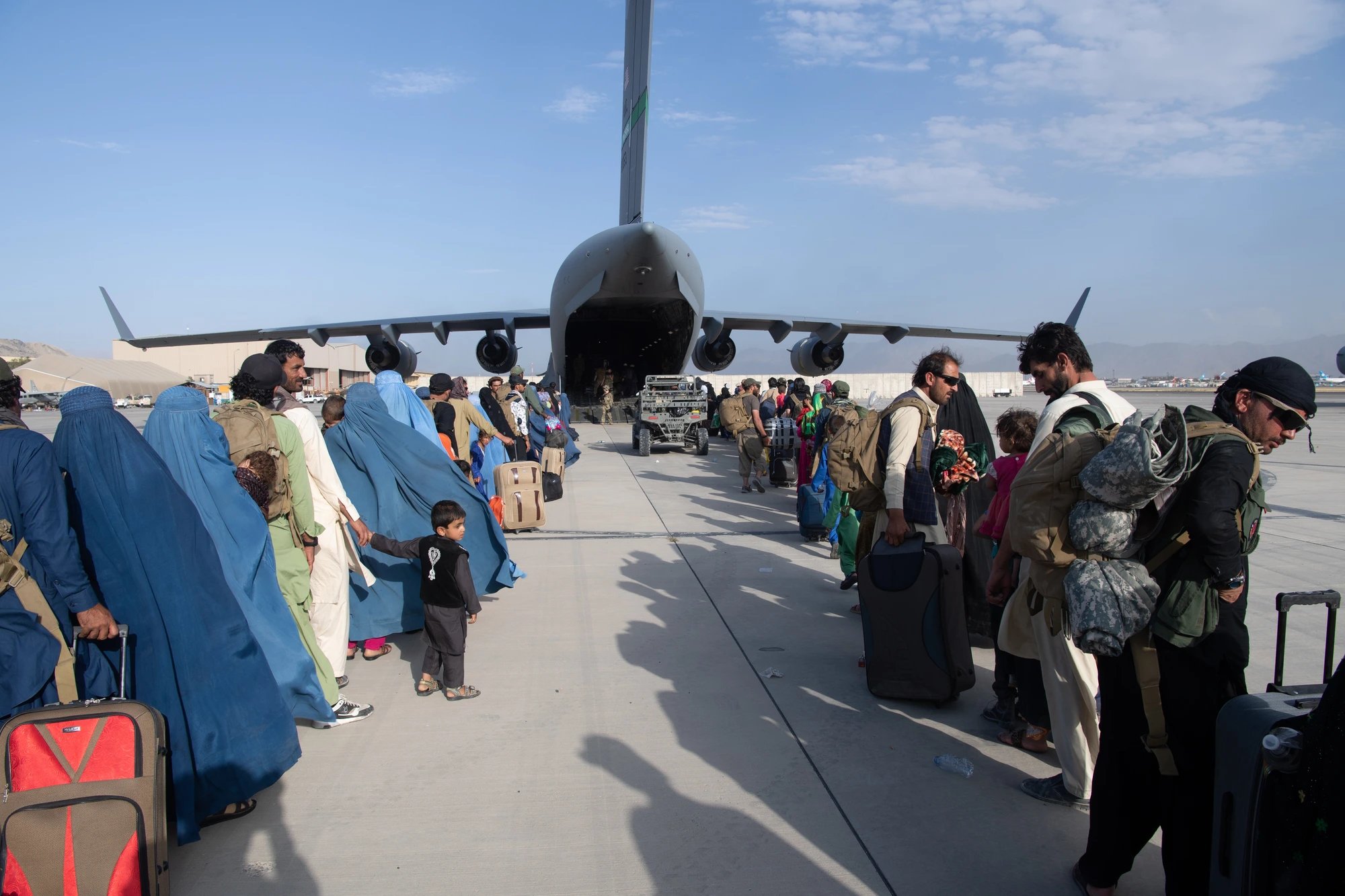
US veterans and Afghan allies who worked together during the 20-year war describe lasting moral injury after the August 2021 Kabul evacuation. Former Marine Joe Laude and Afghan judge Lida Kharooti Sayeed reflect on unfulfilled promises and the burden of responsibility. Their accounts complicate a simple narrative of American failure, even as the Taliban's return erased much shared progress.
Key Facts
- Approximately 123,000 people were evacuated from Kabul during the August 2021 US withdrawal.
- Joe Laude, a Marine machine-gunner at Abbey Gate, describes feeling he had betrayed the Afghan community despite leadership decisions.
- Lida Kharooti Sayeed served 13 years as a judge on Afghanistan's Anti-Corruption Serious Crimes Court before the Taliban returned to power.
- Psychologists term the veterans' experiences moral injury, involving responsibility, helplessness, and perceived betrayal.
Moral Injury After Withdrawal
Joe Laude, executive director of the Operation Allies Refuge Foundation, recalls the impossible choices at Abbey Gate during the evacuation. Psychologists describe moral injury as harm from witnessing or participating in actions that violate deeply held moral beliefs. For veterans like Laude, the injury manifests as responsibility, helplessness, and the painful belief that a promise was left unfulfilled.
Shared Trust and Betrayal
For two decades, Americans and Afghans worked together, building relationships through shared danger and trust. Afghan interpreters, journalists, judges, and security personnel risked their lives alongside American soldiers and diplomats. Laude states he felt he had betrayed the Afghan community, even though the decision was ultimately made by US leadership.
Afghan Perspectives
Lida Kharooti Sayeed, a former judge on Afghanistan's Anti-Corruption Serious Crimes Court, expresses gratitude toward Americans who tried to help. Sayeed does not blame individuals, noting many showed kindness and compassion during frightening and uncertain times. Her gratitude complicates a simple narrative of American failure, as those who formed relationships fought on the same side and trusted one another.
1 source
Time · lag behind first