
Central Asia builds regional track for Afghanistan engagement
This digest was compiled by AI from multiple sources — links to the originals are below.
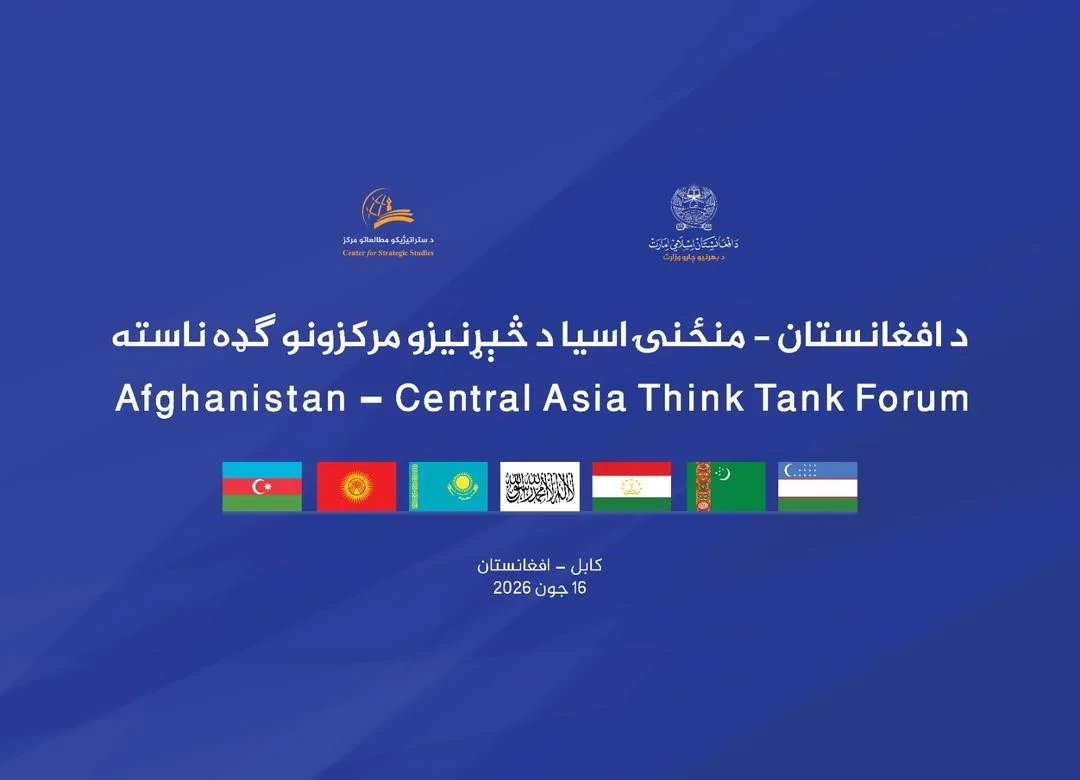
Central Asian states are deepening regional coordination on Afghanistan, seeking to manage shared security and economic risks as Western engagement recedes. The approach reflects concerns over migration, trade disruption, and militant spillover, even as the Taliban government remains internationally isolated.
Regional Coordination
Kazakhstan, Uzbekistan, and other Central Asian states have intensified diplomatic consultations on Afghanistan, according to Times of Central Asia. The countries are developing joint positions on border security, counterterrorism, and economic engagement. A key driver is the need to address migration flows and trade disruptions caused by Afghanistan's instability.
Economic Pressures
Afghanistan's economy has contracted sharply since the Taliban takeover in 2021, with inflation spiking and international investment drying up, RFE/RL Central Asia reported. Remittances from abroad have become a lifeline for many Afghan households. The economic collapse fuels migration pressures on Central Asian neighbors and reduces bilateral trade volumes.
Western Disengagement
The United States and European powers have reduced their diplomatic and financial presence in Afghanistan, leaving a vacuum that Central Asian states are now filling. The regional track does not imply recognition of the Taliban government, which remains under UN sanctions. Instead, it focuses on pragmatic cooperation on issues like drug trafficking and refugee management.
2 sources
Time · lag behind first