
Central Asia builds pragmatic ties with Taliban-led Afghanistan despite no recognition
This digest was compiled by AI from multiple sources — links to the originals are below.
Five years after the Taliban takeover, Central Asian states have developed a pragmatic engagement model with Afghanistan that separates political recognition from practical cooperation. The first dedicated Central Asia-Afghanistan Consultative Dialogue in Kabul on April 5, 2026, formalized regular multilateral engagement. Rail freight between Kazakhstan and Afghanistan reached 1 million tons in Q1 2026, up 77% year over year.
Key Facts
- Russia remains the only country to have formally recognized Afghanistan's Taliban-led government since August 2021.
- The first Central Asia-Afghanistan Consultative Dialogue was held in Kabul on April 5, 2026, with representatives from all five Central Asian states.
- Rail freight between Kazakhstan and Afghanistan reached 1 million tons in the first quarter of 2026, a 77% increase year over year.
- Tajik officials say five Chinese citizens were killed in two attacks launched from Afghan territory in late 2025.
- The UN in August described the situation facing Afghan women as the world's most severe women's rights crisis.
Engagement Without Recognition
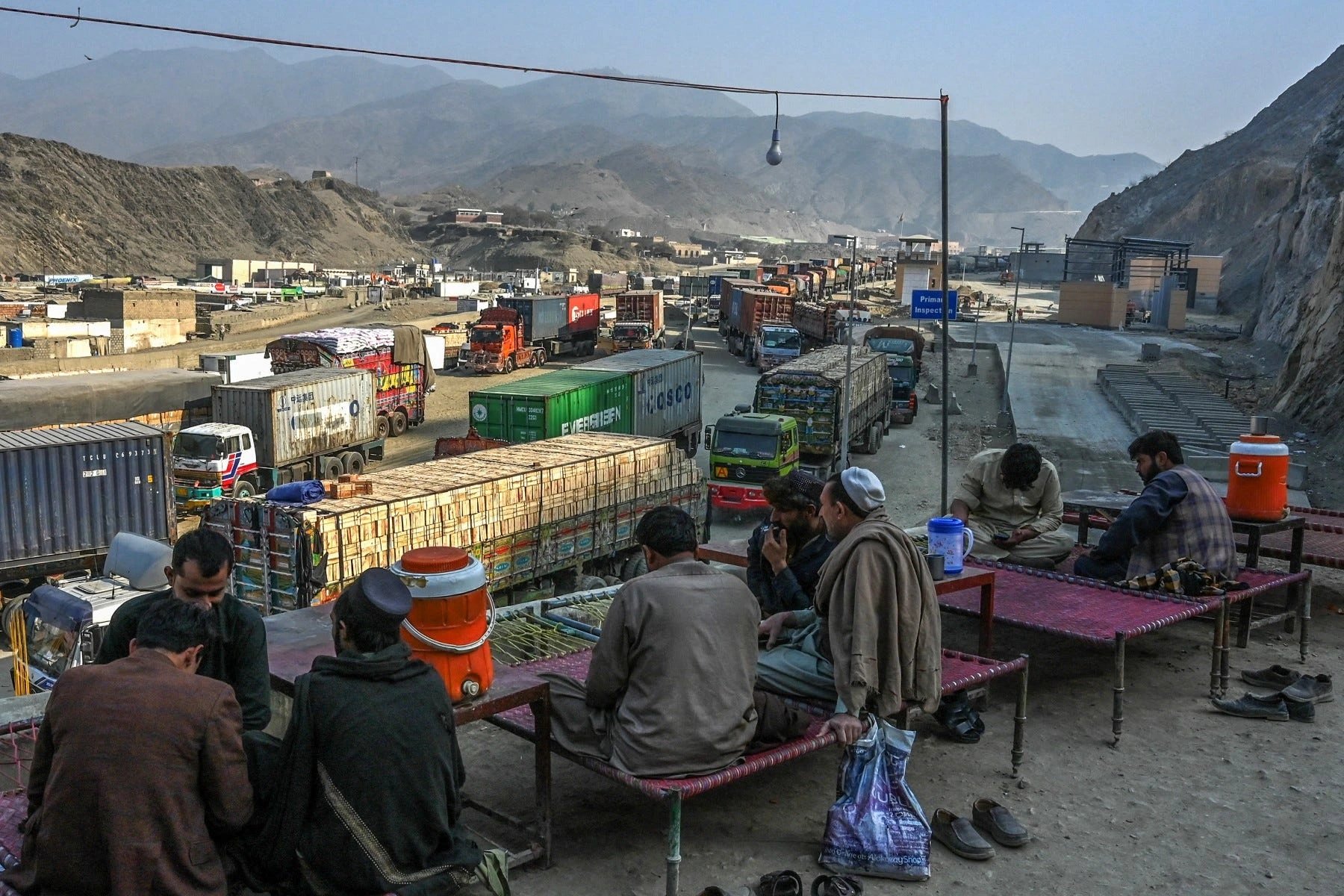
On April 5, 2026, Kabul hosted the first dedicated Central Asia-Afghanistan Consultative Dialogue, attended by representatives of all five Central Asian states. The participants discussed economic ties and regional connectivity, and the format was presented as a multilateral political mechanism for regular engagement between Afghanistan and Central Asia. This arrangement goes beyond separate contacts with Kabul, as the region gradually develops its own model for dealing with the Taliban driven by issues that cannot simply be left unresolved. Trade and transportation continue regardless of diplomatic status, with rail freight between Kazakhstan and Afghanistan reaching 1 million tons in the first quarter of 2026, up 77% year over year. Tajikistan, which long maintained the toughest stance toward the Taliban among Afghanistan's Central Asian neighbors, has also expanded working contacts with Kabul, although border security remains a serious concern.
Security Concerns
Tajik officials say five Chinese citizens were killed in two attacks launched from Afghan territory in late 2025. Dushanbe has long warned about militant groups operating in Afghanistan, including Islamic State Khorasan Province (ISKP). Restrictions on the rights of women and girls continue to block broader international legitimization of the Taliban. In August, the UN described the situation facing Afghan women as the world's most severe women's rights crisis.
From Trade to Long-Term Bets
Afghanistan's economy is growing, but it remains too weak to finance major infrastructure projects on its own. The region is gradually moving beyond trade and diplomatic contacts toward proposed infrastructure projects with multibillion-dollar price tags. Over the past five years, the Taliban have signed mining agreements worth billions of dollars, including projects involving Chinese and Iranian capital.
1 source
Time · lag behind first