
Kazakhstan loses 50-60 billion tenge annually exporting unrefined oil products
This digest was compiled by AI from multiple sources — links to the originals are below.
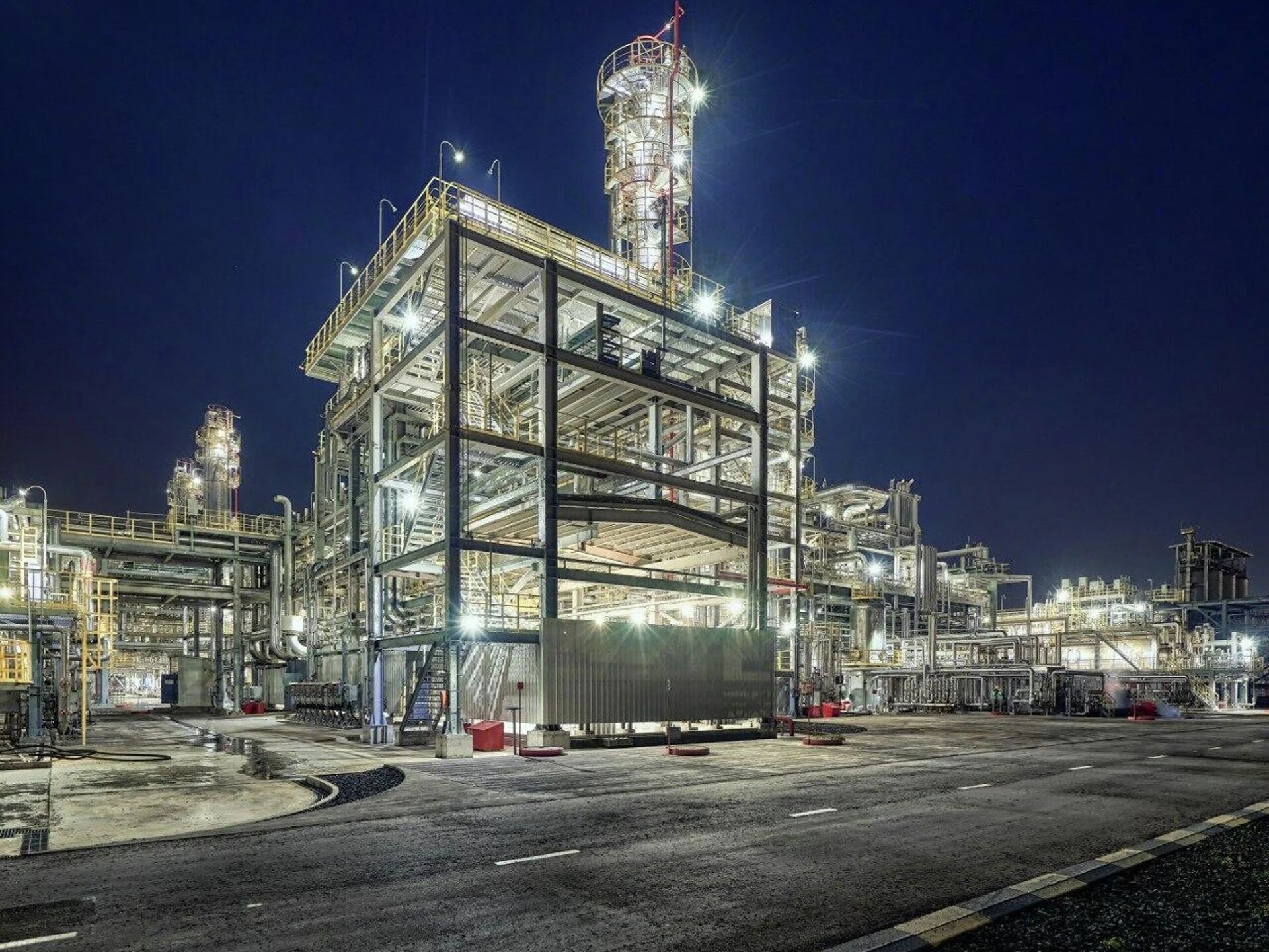
Kazakhstan's Ministry of Energy reports annual budget losses of 50-60 billion tenge from exporting oil semi-finished products instead of refining them domestically. The ministry has drafted amendments requiring mini-refineries to produce at least 45% of in-demand petroleum products to access the oil supply schedule.
Key Facts
- Kazakhstan's Ministry of Energy estimates annual lost budget revenues at 50-60 billion tenge due to exports of oil semi-finished products.
- 22 mini-refineries operated in Kazakhstan in 2025, processing 898,000 tonnes of crude oil and producing 873,000 tonnes of products.
- The ministry has drafted amendments requiring mini-refineries to produce at least 45% of in-demand petroleum products to enter the ministry's oil supply schedule.
- The Concept for Development of the Oil Refining Industry includes measures to produce K-4 and K-5 class motor fuels and later raise the industry standard to K-5+.
Lost Revenue
The Ministry of Energy attributes the losses to the loss of added value that could have been created domestically through production of gasoline, diesel fuel, bitumen, and other petroleum products. Mini-refineries are permitted to export oil products not banned by the energy minister's order of April 30, 2026, No. 175-н/қ. The ministry notes that without secondary processing units and due to sulfur content in feedstock, mini-refinery output cannot meet K-4 and K-5 environmental standards for motor fuels.
Proposed Amendments
The amendments were developed and approved at a government meeting for consideration at the kurultai. If the 45% production requirement is met, mini-refineries will be included in the Ministry of Energy's oil supply schedule, reducing the load on large plants for fuel production. The Concept for Development of the Oil Refining Industry also aims to increase output of quality fuels, reduce production and export of semi-finished products, and improve domestic market supply.
1 source
Time · lag behind first