
Kazakhstan weighs alternative oil export routes as CPC carries 64.8 mln tonnes
This digest was compiled by AI from multiple sources — links to the originals are below.
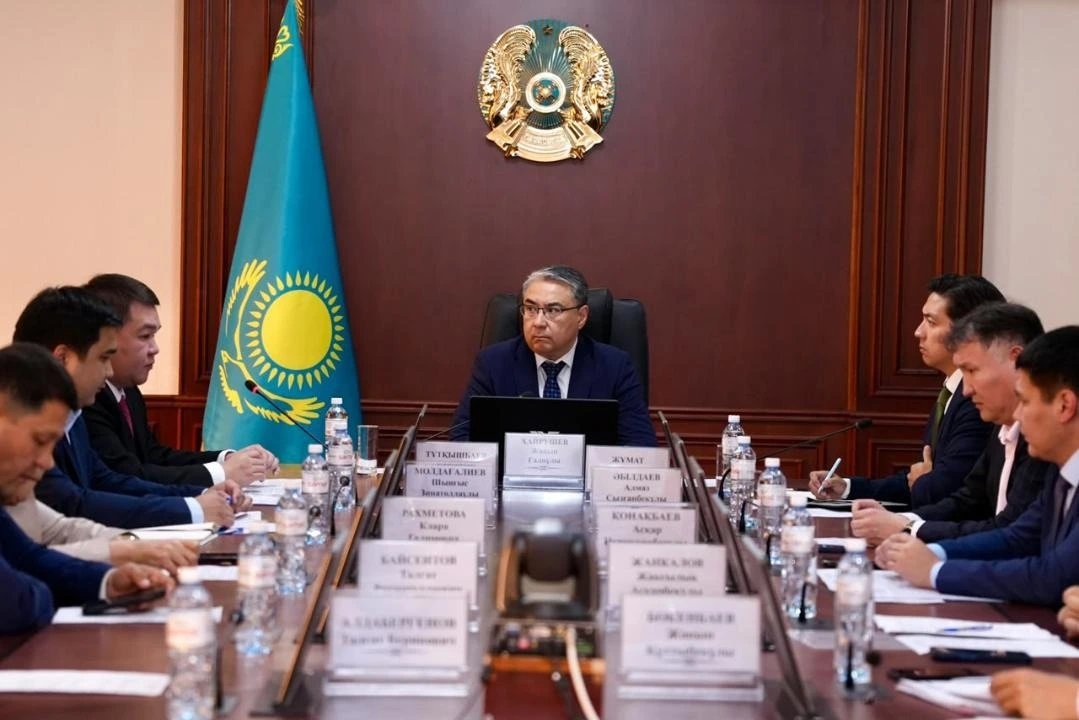
Kazakhstan's Energy Ministry discussed alternative oil export routes at a Public Council meeting in Astana chaired by Zhakyp Khairushev. The discussion covered pipeline reliability, price liberalization, and the future EAEU common oil and gas market. The Caspian Pipeline Consortium handled 64.8 million tonnes of Kazakhstan's 78.7 million tonnes of oil exports in 2025.
Key Facts
- Kazakhstan exported 78.7 million tonnes of oil in 2025, of which 64.8 million tonnes went through the Caspian Pipeline Consortium.
- The Baku-Tbilisi-Ceyhan pipeline carried about 1.2 million tonnes of Kazakh oil in 2025, with Azerbaijan ready to increase volumes to 2.2 million tonnes per year.
- Kazakhstan's oil and condensate production reached 99.6 million tonnes in 2025, up 13.5% year-on-year.
- Gas production totaled 68.2 billion cubic meters in 2025, a 15.6% increase from 2024.
- The Public Council meeting was chaired by Zhakyp Khairushev and attended by Vice Minister of Energy Kaiyrkhan Tutkyshbaev.
Alternative Export Routes
The Energy Ministry raised alternative oil export routes at the Public Council meeting in Astana. The Caspian Pipeline Consortium handled 64.8 million tonnes of Kazakhstan's 78.7 million tonnes of oil exports in 2025. The Baku-Tbilisi-Ceyhan pipeline transported about 1.2 million tonnes of Kazakh oil in 2025. Azerbaijan has stated readiness to increase that volume to 2.2 million tonnes per year. The gap between CPC volumes and BTC volumes remains large, making alternatives a diversification tool rather than a replacement.
Pipeline Reliability and Production Growth
The Public Council also considered issues of in-line pipeline diagnostics. Oil and condensate production reached 99.6 million tonnes in 2025, up 13.5% from the previous year. Gas production totaled 68.2 billion cubic meters, a 15.6% increase over 2024. Higher production volumes increase the load on transport infrastructure, linking diagnostics to supply stability.
Price Liberalization and Exchange Trading
The meeting agenda included price liberalization and exchange trading, though the ministry's published statement did not provide detailed parameters. In April 2026, authorities discussed creating a strong regional commodity exchange with transparent pricing and expanded producer access. Any changes to price formation would affect producers, refiners, traders, and the domestic market.
1 source
Time · lag behind first