
Morocco to hold parliamentary election on September 23
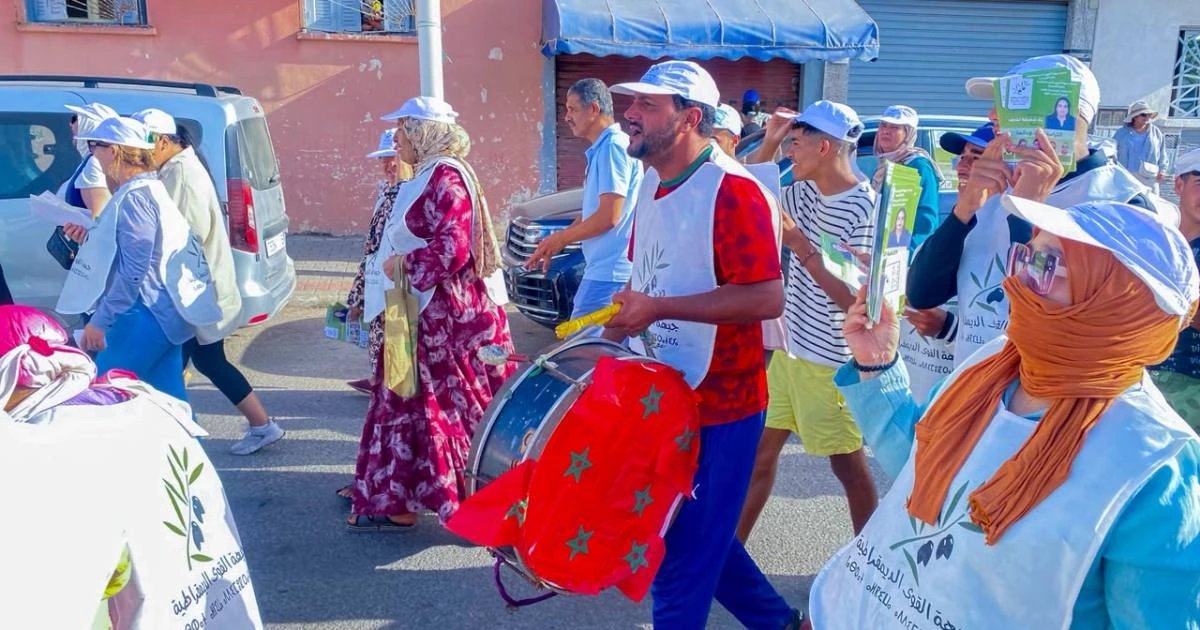
This digest was compiled by AI from multiple sources — links to the originals are below.
Morocco will hold parliamentary elections on September 23, 2026, with all 395 seats in the House of Representatives at stake. More than 15.8 million people are registered to vote, but only about 4 percent of registered voters are aged 18 to 24. The vote follows nearly a year of Gen Z-led protests over public services and living conditions.
Key Facts
- Morocco's parliamentary election is scheduled for September 23, 2026, with all 395 seats in the House of Representatives contested.
- More than 15.8 million people are registered to vote, but only about 4 percent of registered voters are aged 18 to 24.
- People aged 60 and above make up more than 29 percent of the electorate, while those aged 35 to 44 account for 21 percent.
- The nationwide Gen Z protests began on September 27, 2025, after anger over public healthcare, education, jobs and living conditions spread beyond earlier protests in Agadir.
- At least three people were killed during the unrest in October 2025.
Youth Engagement
Environmental entrepreneur Hamza El Kharroubi, 28, is campaigning for a seat in parliament in Tetouan after founding the Environment and Sustainability Party. El Kharroubi told Al Jazeera English that the previous Gen Z protests have sparked more youth engagement in political parties, and he expects exceptional youth participation in voting and campaigning this year. Az-el Arab Hilmi, 32, who works with the secretariat of the Federation of the Democratic Left (FGD) in Tifelt, said young people are no longer willing to settle for traditional political discourse or general promises. Hilmi added that the generation wants tangible results in daily life: good education, public healthcare that preserves dignity, real job opportunities and fairness in the distribution of opportunities.
Protest Background
The nationwide demonstrations began on September 27, 2025, after anger over public healthcare, education, jobs and living conditions spread beyond earlier protests in Agadir. The unrest followed the deaths of eight women after Caesarean deliveries at a public hospital in the southern city, which became a flashpoint for wider grievances over public services. A leaderless movement calling itself GenZ 212 mobilised largely online through platforms including Discord, TikTok and Instagram, demanding better public healthcare and education, more job opportunities, and an end to corruption and misplaced public spending. At least three people were killed during the unrest in October 2025.
1 source
Time · lag behind first