
Morocco election tests youth disillusionment after Ceuta crossings and protests
This digest was compiled by AI from multiple sources — links to the originals are below.
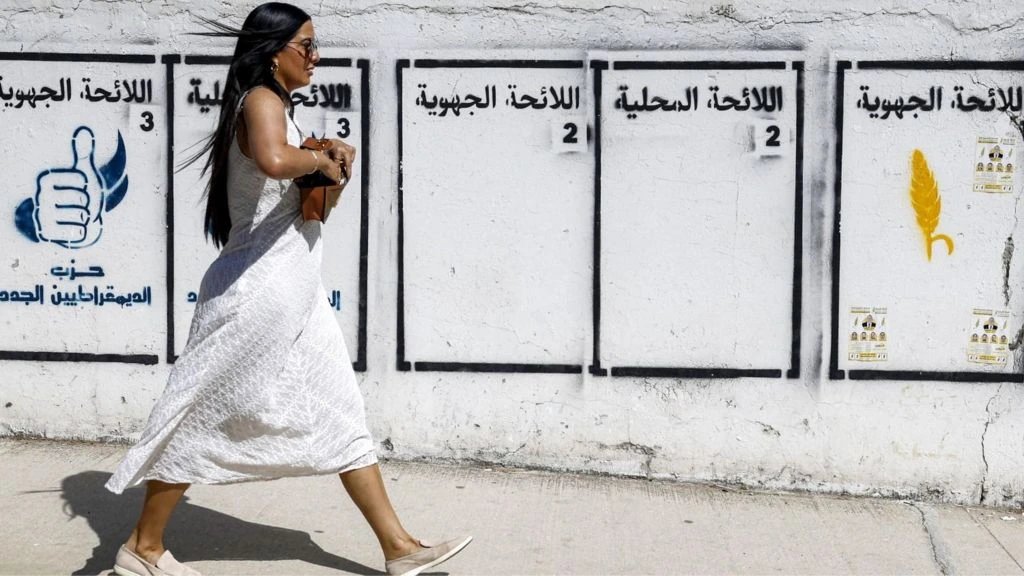
Moroccan voters head to the polls Wednesday for parliamentary elections that will decide the next government. The vote follows a wave of youth protests over unemployment and living costs, and a mass migration surge to the Spanish enclave of Ceuta. Many young Moroccans express deep disillusionment with the political process.
Key Facts
- Morocco's parliamentary elections on Wednesday will decide the make-up of the next government, with 27 parties on the ballot.
- Some 60,000 people crossed from Morocco to the Spanish enclave of Ceuta in late July, with at least 100 deaths reported.
- Youth unemployment in Morocco reached 37.3% last year, according to IMF estimates.
- More than 2,400 people faced prosecution following September 2025 protests over unemployment, healthcare and living costs.
- King Mohammed VI appoints the prime minister from the party that comes first in the election and presides over the Council of Ministers.
Youth Disillusionment
Siham Azeroual, a 32-year-old environmental activist from the Atlas region, told the BBC she has no hope for the election and called the political scene a complete circus. Hamza El Kharroubi, 29, was briefly arrested during the protests and is now running for parliament with the Environment and Sustainable Development Party. El Kharroubi said he joined the party because it wanted more Gen Z faces and allowed members to speak freely about their demands. He comes from Tetouan, 34 km from Fnideq beach where the migration wave to Ceuta started in late July.
Ceuta Migration Surge
Some 60,000 people, both Moroccans and other nationalities, crossed to Ceuta in the largest migration surge to the enclave in recent history. At least 100 people died in the crossings, and El Kharroubi is calling for justice and compensation for the families of those who died. He argued that the crossing was widely linked to economic hardship and unemployment.
Political Structure
Morocco operates as a constitutional monarchy where political parties compete for 395 seats in the House of Representatives. Executive power remains closely tied to the crown, with King Mohammed VI appointing the prime minister and presiding over the Council of Ministers. The current campaign follows a wave of Gen Z protests that erupted in September 2025 over unemployment, healthcare and living costs. Demonstrators chanted slogans like 'freedom, dignity, and social justice' which escalated to 'get out Akhannouch', a reference to Prime Minister Aziz Akhannouch. More than 2,400 people faced prosecution following the unrest.
1 source
Time · lag behind first