
India's Gen Z protests expose education rot and fading Modi youth appeal
This digest was compiled by AI from multiple sources — links to the originals are below.
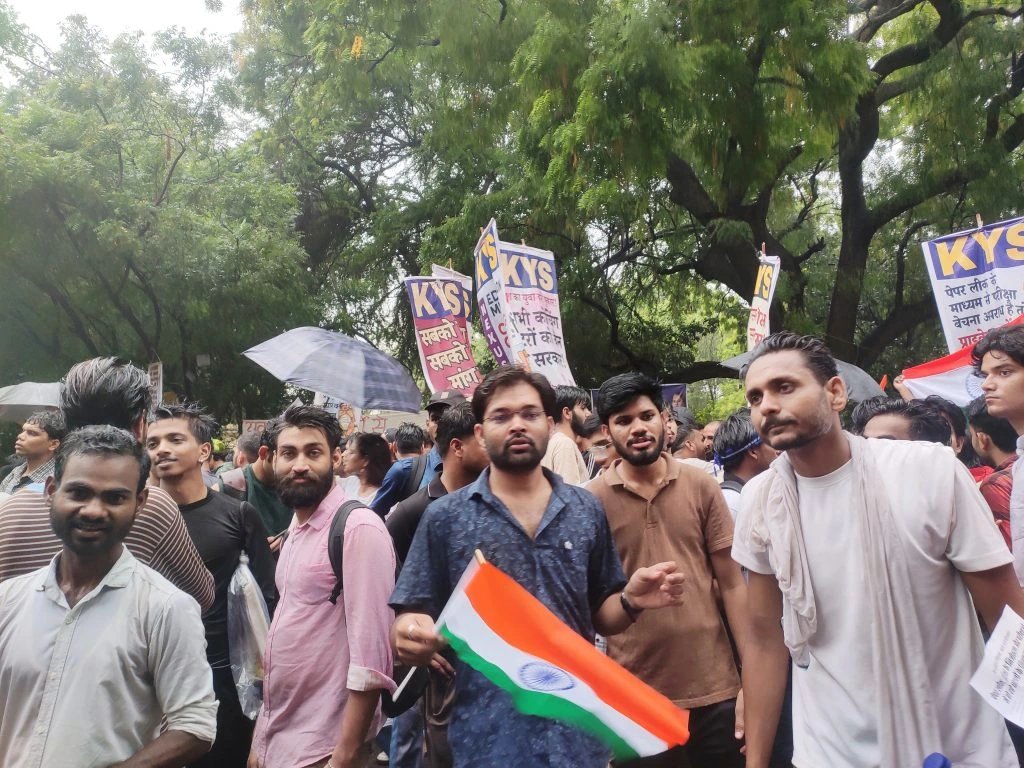
India's Gen Z protests, sparked by exam paper leaks and disparaging remarks about unemployed youth, forced the resignation of Education Minister Dharmendra Pradhan. The movement spread beyond New Delhi's Jantar Mantar across the country, cutting across caste and class lines. The protests exposed deep flaws in the education system and signaled fading youth support for Prime Minister Narendra Modi.
Key Facts
- Education Minister Dharmendra Pradhan resigned after nearly a month of protests.
- The protests began after exam paper leaks and the formation of the Cockroach Janta Party in reaction to the chief justice's 'cockroaches' remark.
- The movement spread beyond Jantar Mantar in New Delhi to the northeast and southern states, surpassing the geographic reach of the 1974-75 Jayaprakash Narayan movement and the 2011-12 Anna Hazare protests.
- RSS chief Mohan Bhagwat stated that the protesters are not anti-national and that protest is part of legitimate democratic processes.
Origins and Spread
The protests erupted after a series of exam paper leaks and the formation of the Cockroach Janta Party, founded by Abhijeet Dipke on Instagram, in response to the chief justice of India calling unemployed youth 'cockroaches'. The movement began at Jantar Mantar, a designated protest site in New Delhi, and remained there for 50 days before spreading across the country, including the northeast and southern states. Geographically, the protests surpassed both the Jayaprakash Narayan-led movement of 1974-75 and the 2011-12 Anna Hazare-led protests, both launched on anti-corruption platforms.
Government Response and Resignation
The government's usual tactic of branding protest voices as anti-national failed, and support for the movement swelled. Nearly a month into the protests, after founder Abhijeet Dipke arrived in Delhi from Boston and marched to Jantar Mantar, the government was forced into negotiations. The negotiations resulted in the ouster of Education Minister Dharmendra Pradhan, whose resignation had been the protesters' demand from the beginning.
Political Implications
The largely peaceful protest exposed the rot in the education system and underlined the fading appeal of Prime Minister Narendra Modi among the youth, once his prime constituency. RSS chief Mohan Bhagwat's statement that the protesters are not anti-national and that protest is part of legitimate democratic processes was a belated admission that the establishment misread the situation. The protests came as the Modi government found itself besieged from multiple sides, including a belligerent Parliament.
1 source
Time · lag behind first