
Climate loss erodes mental health and cultural identity, researchers say
This digest was compiled by AI from multiple sources — links to the originals are below.
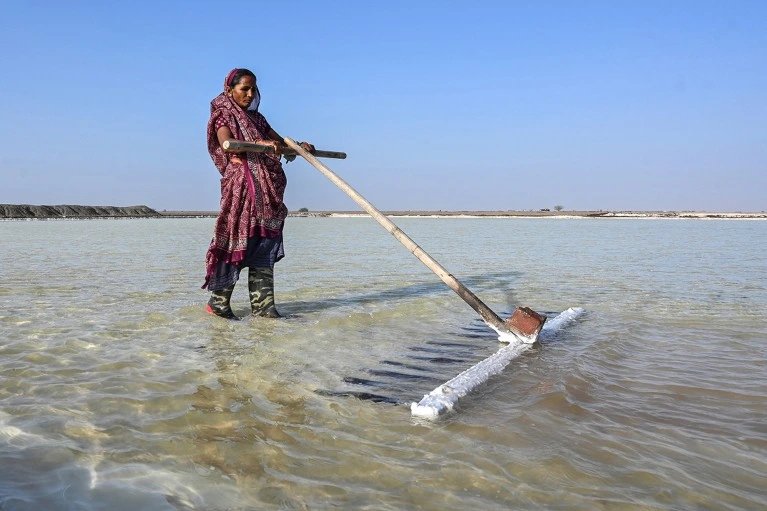
Climate change is driving mental-health crises and cultural loss in vulnerable communities, researchers report ahead of COP31 in Antalya, Turkey, in November. Communities in Kenya and India describe anxiety, substance use, and erosion of traditions tied to fishing and salt harvesting. The findings call for integrating mental health into climate loss-and-damage policies.
Key Facts
- Coastal communities in Kenya reported rising anxiety, substance use among unemployed young men, and increases in gender-based violence, sex tourism, and adolescent pregnancies as poverty intensified.
- The 31st United Nations Climate Change Conference (COP31) will take place in Antalya, Turkey, in November 2026.
- A devastating flood in Nepal last month is cited as an example of irreversible harm, including permanent displacement and destruction of ecosystems.
- Climate policies typically address mental health only through adaptation measures such as preparedness, psychological first aid, and resilience programmes.
Mental Health Toll
Working with coastal communities in Kenya, researchers heard concerns that initially sounded economic—declining fish catches, disrupted marine ecosystems, and shrinking livelihoods—but quickly turned to mental-health impacts. Community members described mounting anxiety, growing substance use in unemployed young men, and rises in gender-based violence, sex tourism, and adolescent pregnancies as poverty intensified. People also worried about the erosion of traditions tied to the sea, including knowledge passed between generations and community rituals rooted in fishing livelihoods. A clinical psychologist and public-health researcher noted that people speak about grief for disappearing landscapes, anxiety about an uncertain future, and exhaustion from repeated crises.
Policy Gap
When climate policy acknowledges mental health, it is usually through adaptation, focusing on helping people cope with ongoing changes. These policies can encompass preparedness, psychological first aid, resilience programmes, and stronger health systems, but they address only part of the problem. Communities are already experiencing irreversible harm, including permanent displacement, destruction of ecosystems, loss of cultural heritage, and repeated disasters that erode resilience. The devastating flood in Nepal last month is one glaring example of such harm.
1 source
Time · lag behind first