
Climate-vulnerable nations spend 25 times more on debt than climate action
This digest was compiled by AI from multiple sources — links to the originals are below.
The 65 countries most vulnerable to climate change will spend nearly 25 times more on debt repayment than on climate action in 2026, according to an ActionAid report released Wednesday. Debt servicing is projected to consume 65 percent of government revenue across these nations. More than 93 percent of them are in debt crisis or at significant risk of one.
Key Facts
- Across 65 highly climate-vulnerable countries, debt servicing is expected to consume 65 percent of government revenue in 2026.
- More than 93 percent of climate-vulnerable countries are either in debt crisis or at significant risk of one, according to the ActionAid report.
- Two-thirds of climate finance provided by Global North countries has been delivered as loans, potentially adding to existing debt burdens.
- Between 2023 and 2024, an El Niño-driven drought in Zambia affected more than 9 million people and contributed to severe food and water shortages.
Debt and Climate Crisis
The ActionAid report, “Debt Fuels the Climate Crisis: How the Finance Flows,” argues that climate and debt crises are mutually reinforcing. Teresa Anderson, global lead on climate justice for ActionAid International, said climate-vulnerable countries retain only one third of the revenue they raise for climate, healthcare, education, and public services. Anderson added that much of the debt was taken on unfair, illegitimate terms and should not be part of the current economic picture.
Currency and Export Pressures
Global South countries must repay external debt in dollars, pounds, or euros, which are stronger than their own currencies. To earn the foreign currency needed for debt service, countries may pursue environmentally harmful exports, including fossil fuels, according to Anderson. Kevin Gallagher, director of the Boston University Global Development Policy Center, said climate disasters can trigger capital flight and currency depreciation, forcing governments to raise more local currency to pay debts.
Zambia Drought Impact
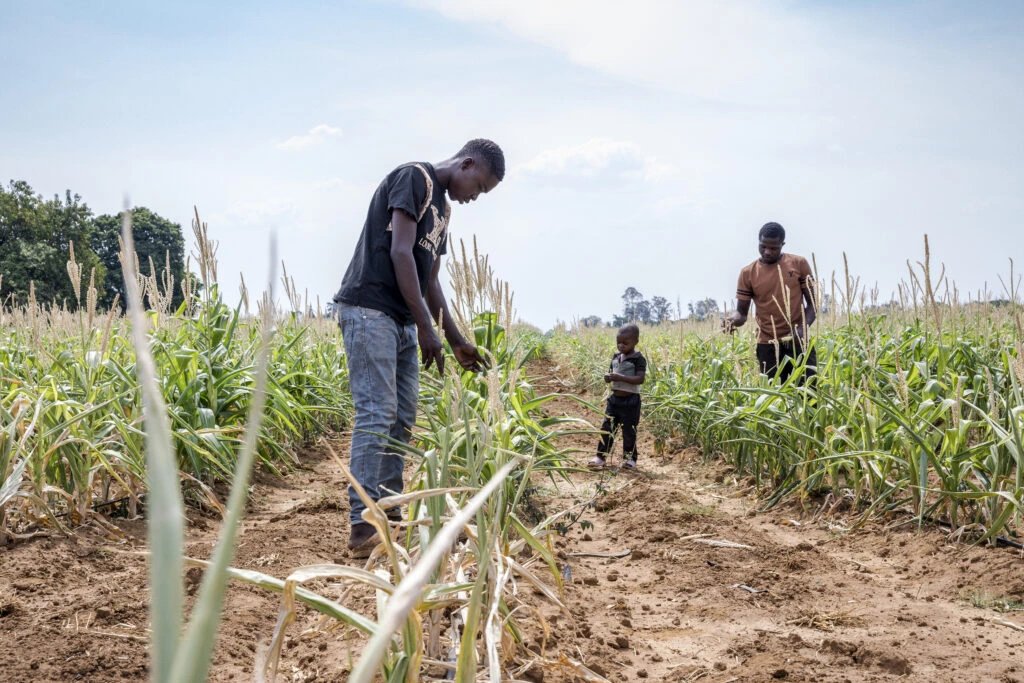
An El Niño-driven drought in Zambia between 2023 and 2024 devastated crops and affected more than 9 million people. Cereal production fell sharply, and drought-driven power shortages disrupted businesses and livelihoods across the southern African country.
1 source
Time · lag behind first