
Russian strikes destroy 13 million Ukrainian books, damage tops $39 million
This digest was compiled by AI from multiple sources — links to the originals are below.
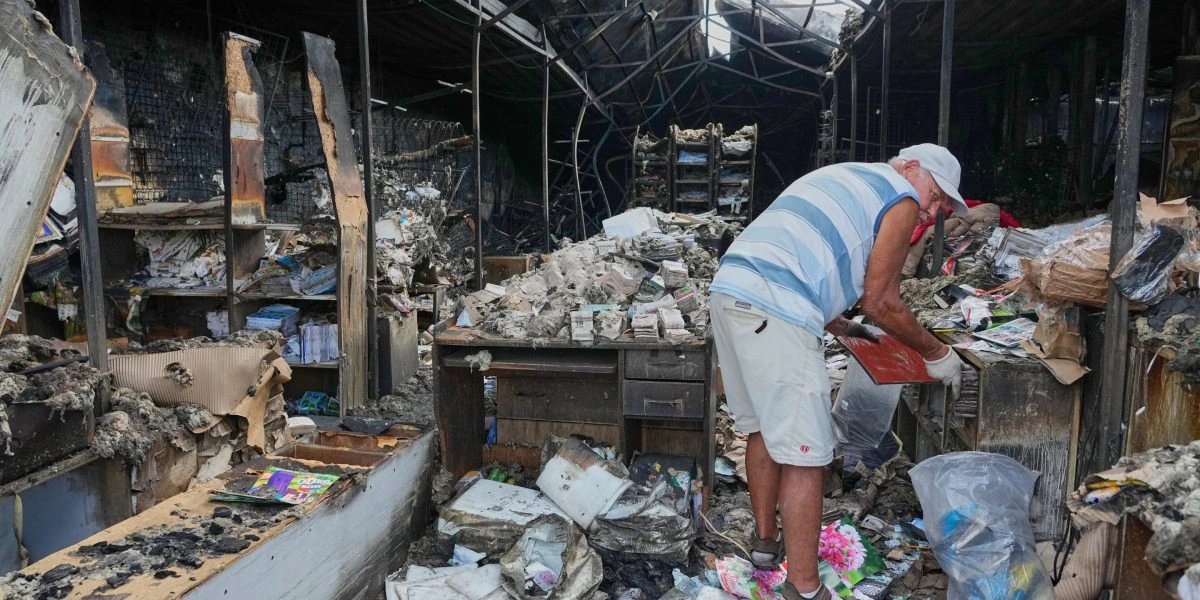
Russian drone strikes destroyed more than 13 million books in Ukraine this summer, causing at least $39.3 million in damage. The Aug. 1 attack on the Ranok publishing house warehouse in Kharkiv alone burned for nearly a week and destroyed 8 million books, including 620,000 textbooks. Ukraine's culture minister called the strikes a deliberate policy aimed at undermining the country's cultural resilience.
Key Facts
- More than 13 million books — a third of Ukraine's annual print run — were destroyed in two months this summer, causing at least $39.3 million in damage, according to the Ministry of Culture.
- The Aug. 1 Russian drone strike on the Ranok publishing house warehouse in Kharkiv destroyed 8 million books, including 620,000 textbooks supplied to nearly all Ukrainian schools.
- At least 40 other publishing houses and multiple bookstores have suffered damage in recent weeks.
- Nearly 5,000 cathedrals, churches, museums, theaters and other cultural sites have been destroyed or damaged, and 35,000 art objects looted, since Russia's full-scale invasion.
- Ranok opened the destroyed warehouse in 2013 as an automated logistics hub capable of processing tens of thousands of books a day.
The Kharkiv Strike
Seconds before the first Russian drone struck, Ranok publishing house director Viktor Kruglov was thinking about how to get tens of thousands of textbooks to Ukrainian schools faster. A second explosive-laden Shahed drone hit minutes later, destroying the main warehouse of Ranok in northeastern Kharkiv. Kruglov said the reinforced concrete of the huge warehouse melted and the roof caved in, and the blaze burned for almost a week, reducing millions of books to ash. The strike destroyed 8 million books, including 620,000 textbooks that Ranok supplies to nearly all of Ukraine's schools. Kruglov said the company has backup warehouses and stores all its files in the cloud, which allows it to reprint books and keep its team employed.
Industry-Wide Damage
Ukraine's Ministry of Culture reported that more than 13 million books — a third of the country's annual print run — were destroyed in two months this summer, causing at least $39.3 million in damage. Besides Ranok, at least 40 other publishing houses and multiple bookstores have suffered damage in recent weeks. Despite a surge in demand for Ukrainian-language books following Russia's 2022 invasion, the destruction is setting the industry back. Publishers are expected to invest less in debut authors, threatening the future of Ukrainian literature, while small independent houses may publish less or close altogether. Kruglov warned that without quick strategic support measures, the industry could collapse entirely, calling the book industry an element of Ukraine's national security.
Cultural Warfare
Ukraine's culture minister Tetiana Berezhna said the strikes are a deliberate Russian policy because Russia understands that culture makes Ukrainians feel resilient and like owners of their land and destiny. Nearly 5,000 cathedrals, churches, museums, theaters and other cultural sites have been destroyed or damaged, and 35,000 art objects looted, since the full-scale invasion began. Kremlin spokesman Dmitry Peskov did not respond to an Associated Press request for comment about the Russian strikes on Ukraine's publishing infrastructure. The Ranok warehouse destroyed in the Aug. 1 attack opened in 2013 as an automated logistics hub capable of processing tens of thousands of books a day.
1 source
Time · lag behind first