
Stanford scientists create mice with human brain cells
This digest was compiled by AI from multiple sources — links to the originals are below.
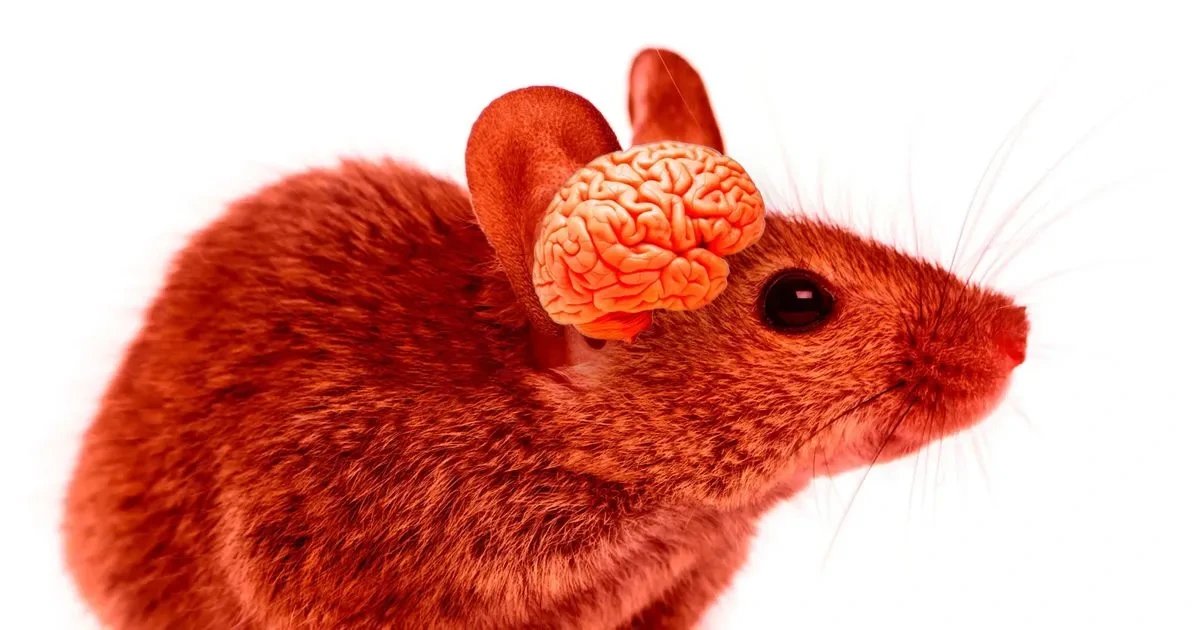
Stanford University researchers have created mice whose brains contain millions of functioning human neurons, according to a study published in Nature. The human cells grew to occupy nearly half the brain volume of the animals, while the mice behaved normally overall. The work has prompted ethical debate among specialists.
Key Facts
- The study was published in the journal Nature.
- Human cells accounted for nearly half the brain volume of the mice.
- The implanted neurons remained immature, resembling fetal cells in the third trimester.
- Mice with human neurons showed signs of brain damage after oxygen deprivation at birth, unlike ordinary mice.
- Von Economo neurons, found in humans, apes, whales, and elephants, were detected in the human brain regions.
Research Method
Researchers used genetic engineering to produce mice lacking cortical neurons and unable to replenish these cells. Human neurons derived from reprogrammed skin cells were implanted into the vacated space. The number of implanted cells grew from a few hundred to several million and formed connections with the mouse brain.
Scientific Findings
Senior author Sergiu Pasca, professor of psychiatry at Stanford University, told NPR that such models will not replace previous approaches but will allow study of aspects of human brain function that are otherwise difficult to investigate. The implanted neurons remained immature and resembled fetal cells in the third trimester. Scientists also noted human-specific differences: mice with human neurons deprived of oxygen at birth showed signs of brain damage, whereas this rarely occurs in ordinary mice. Von Economo neurons, which are among the first to die in frontotemporal dementia, were found in the human brain regions, potentially enabling study of their role in the disease.
Ethical Debate
Nita Farahany, professor of law and philosophy at Duke University School of Law, noted that experiments were stopped when the cells were six months old, before additional connections with the mouse brain formed. She said the question remains whether research should be halted before the animal develops consciousness and what rights might be attributed to it. Bioethicist John Evans of the University of California, San Diego, who was not involved in the work, noted that the cerebral cortex is responsible for higher cognitive functions and speech.
1 source
Time · lag behind first