
Berlin and Mecklenburg-Western Pomerania hold state elections
This digest was compiled by AI from multiple sources — links to the originals are below.
Voting began at 8:00 on Sunday, September 20, in state elections for the parliament of Mecklenburg-Western Pomerania and the Berlin House of Representatives. Approximately 1.3 million people are eligible to vote in Mecklenburg-Western Pomerania and about 2.5 million in Berlin, with 16- and 17-year-olds voting for the first time in these states. Berlin also holds elections to 12 district assemblies, where 2.75 million people, including EU citizens residing in the city, are eligible to vote.
Key Facts
- Voting began at 8:00 on Sunday, September 20, in Mecklenburg-Western Pomerania and Berlin.
- About 1.3 million people are eligible to vote in Mecklenburg-Western Pomerania and about 2.5 million in Berlin.
- In Berlin, 2.75 million people, including EU citizens residing in the city, are eligible to vote in elections to 12 district assemblies.
- According to Infratest dimap polls from September 3-10, AfD support in Mecklenburg-Western Pomerania reached 38%, while SPD led by Manuela Schwesig had 33%.
- In Berlin, the Left Party leads with 21%, ahead of the CDU by one to two percentage points.
Mecklenburg-Western Pomerania Race
In Mecklenburg-Western Pomerania, the AfD leads with 38% support according to Infratest dimap polls conducted September 3-10. The ruling SPD under Premier Manuela Schwesig stands at 33%. Schwesig campaigned on an anti-far-right platform and a new SPD course. If results match polls, the SPD could continue governing with the Left Party and possibly the Greens. Schwesig would then become premier of Mecklenburg-Western Pomerania for a third time.
Berlin Election Dynamics
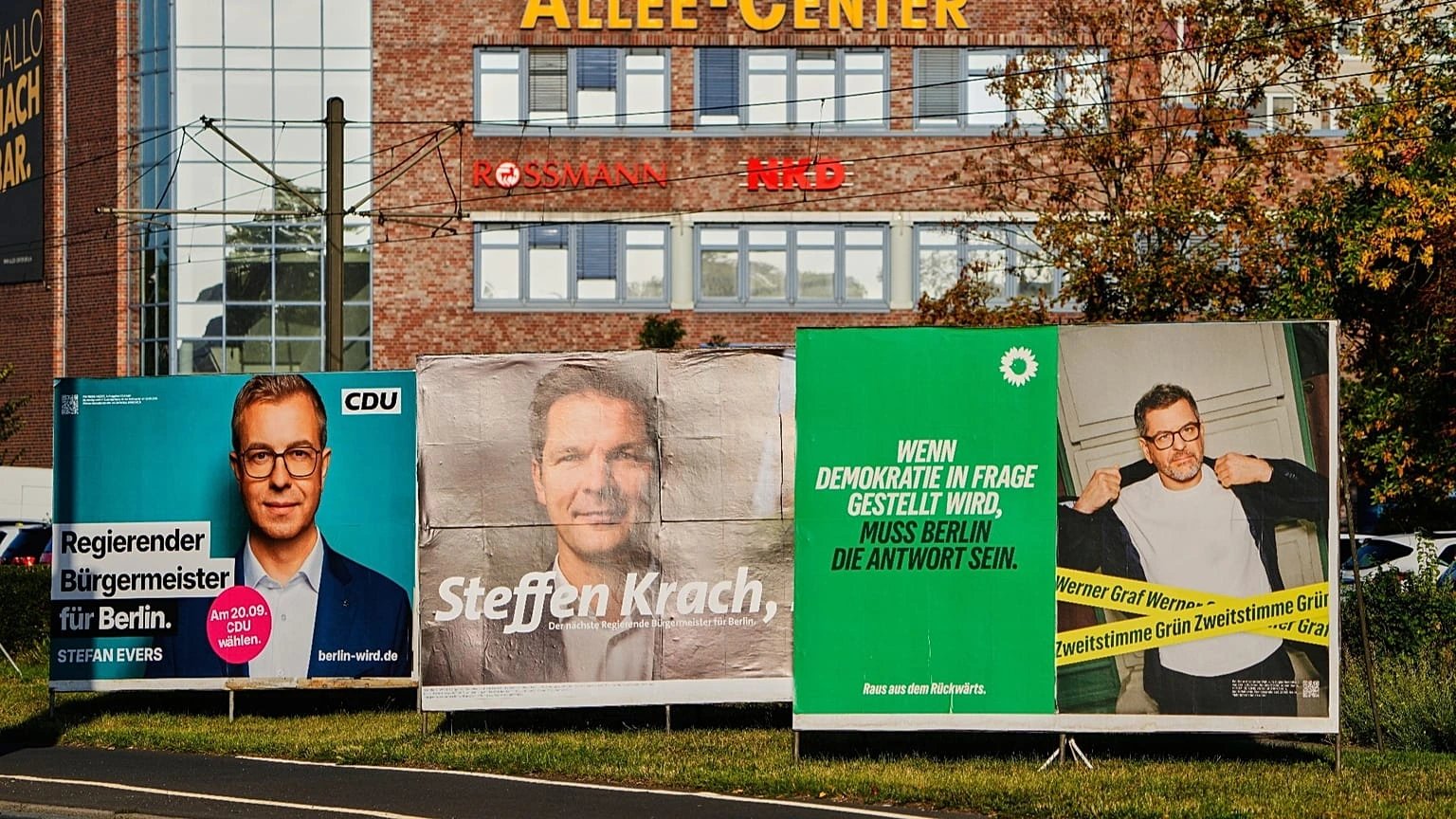
In Berlin, the Left Party leads with 21%, ahead of the CDU by one to two percentage points. The CDU candidate for governing mayor is Stefan Evers, the current Berlin finance senator. Evers replaced incumbent Kai Wegner, who withdrew after criticism over a major power outage earlier in the year. Two realistic coalition options exist: either the Left Party or the CDU could form a government with the SPD and Greens. The Left Party's candidate Elif Eralp has made affordable housing a key campaign issue, advocating public control of apartments owned by large housing corporations.
National Implications
The election results in Berlin and Mecklenburg-Western Pomerania may reignite debate over the political future of CDU leader and federal chancellor Friedrich Merz.
4 sources
Time · lag behind first