
Germany to hold regional elections Sunday as Merz faces CDU pressure
This digest was compiled by AI from multiple sources — links to the originals are below.
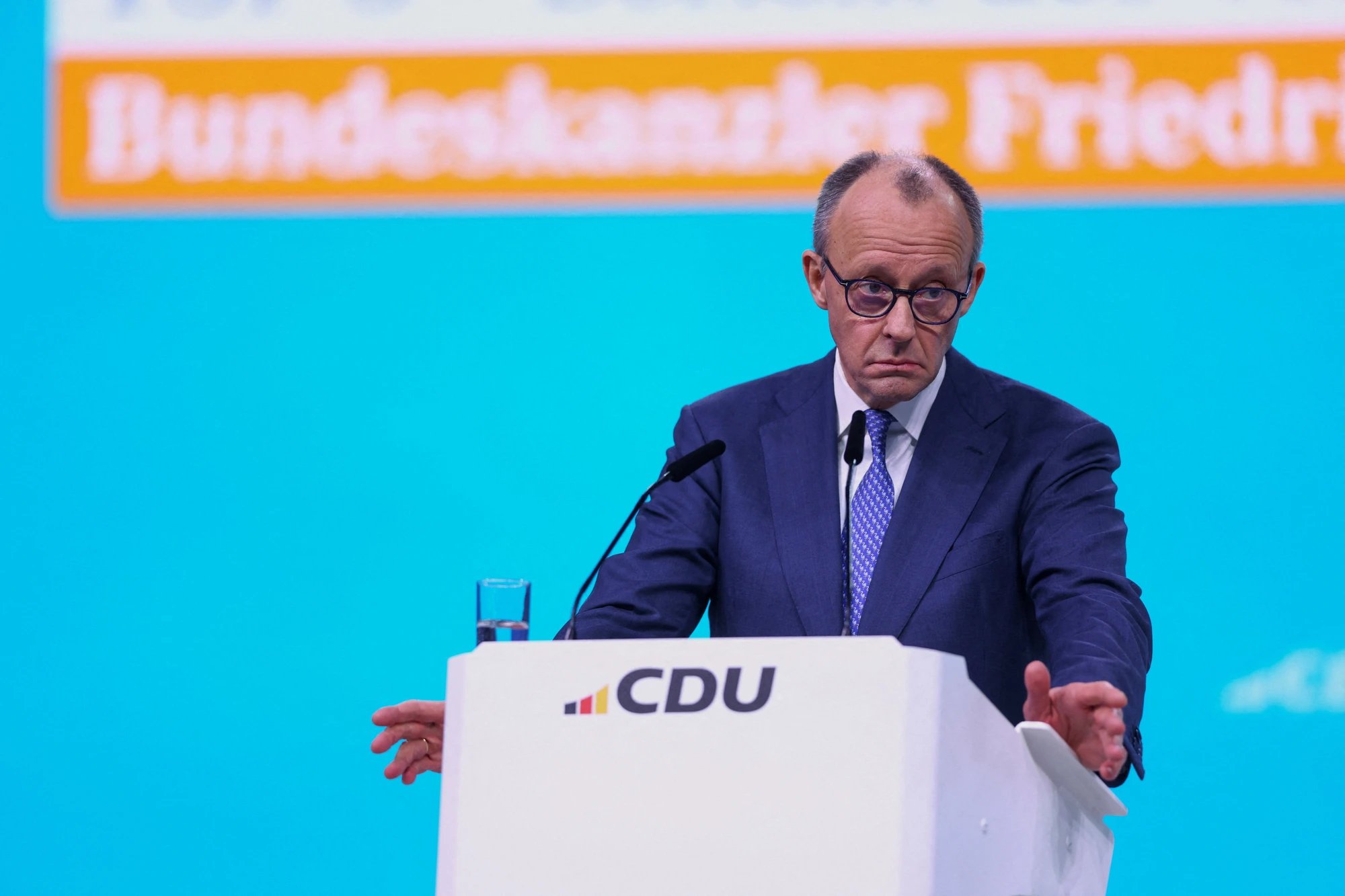
Germany will hold regional elections on Sunday in Mecklenburg-Western Pomerania and Berlin. Friedrich Merz and his Christian Democrats face potential setbacks after a heavy defeat in Saxony-Anhalt. The CDU risks falling below the 5% threshold in Mecklenburg-Western Pomerania, while the AfD aims to build on its record victory.
Key Facts
- Germany will hold regional elections in Mecklenburg-Western Pomerania and Berlin on Sunday.
- The CDU vote in Saxony-Anhalt was more than halved, and the AfD scored a sweeping victory.
- In Mecklenburg-Western Pomerania, the CDU is perilously close to the 5% electoral threshold.
- In Berlin, the CDU has put forward Stefan Evers as its lead candidate after Kai Wegner withdrew.
- The Left Party's lead candidate Elif Eralp hopes to become Berlin's first governing mayor from the successor party to the SED.
Mecklenburg-Western Pomerania Contest
The CDU faces a steep downward trend in Mecklenburg-Western Pomerania, bringing the party perilously close to the 5% electoral threshold. Should the CDU fail to clear the mark, it would miss out on seats in the state parliament for the first time, marking an unprecedented setback. Within the CDU, blame is being placed on the campaign run by the Social Democrats (SPD), whose Minister-President Manuela Schwesig has made the fight against the AfD the central theme. Schwesig has framed the election as a two-way contest, using slogans such as 'Die Frau gegen Blau' ('The woman against blue'), a reference to the AfD's political colour. CDU officials argue that this strategy is drawing votes away from other parties and strengthening the AfD.
AfD Momentum
AfD challenger Leif-Erik Holm said his party wanted to bring about a 'blue turn' in Mecklenburg-Western Pomerania and build on its success in Saxony-Anhalt. In Saxony-Anhalt, the AfD managed to mobilise large numbers of disillusioned voters who had previously stayed away from polling stations. Holm described the SPD's campaign in Mecklenburg-Western Pomerania as 'highly polarising'. He told journalists that Schwesig stands up and says 'the stupid AfD or me', and that is why she is winning votes from the left-wing camp.
Berlin Race
In Berlin, incumbent Christian Democrat mayor Kai Wegner has been under sustained pressure over his handling of a January attack on the capital's power grid. As his polling numbers fell rapidly, Wegner announced that he would withdraw from the campaign. The CDU has since put forward Stefan Evers, the city's state finance minister, as its lead candidate. Evers has managed to stabilise the party's declining poll numbers, with the CDU currently running neck and neck with the Left Party. The Left's lead candidate, Elif Eralp, is hoping to become the first politician from the successor party to the former East German Communist SED to serve as Berlin's governing mayor.
11 sources
Time · lag behind first