
New wild cat species Leopardus tilcayo identified in Bolivia's Yungas forests
This digest was compiled by AI from multiple sources — links to the originals are below.
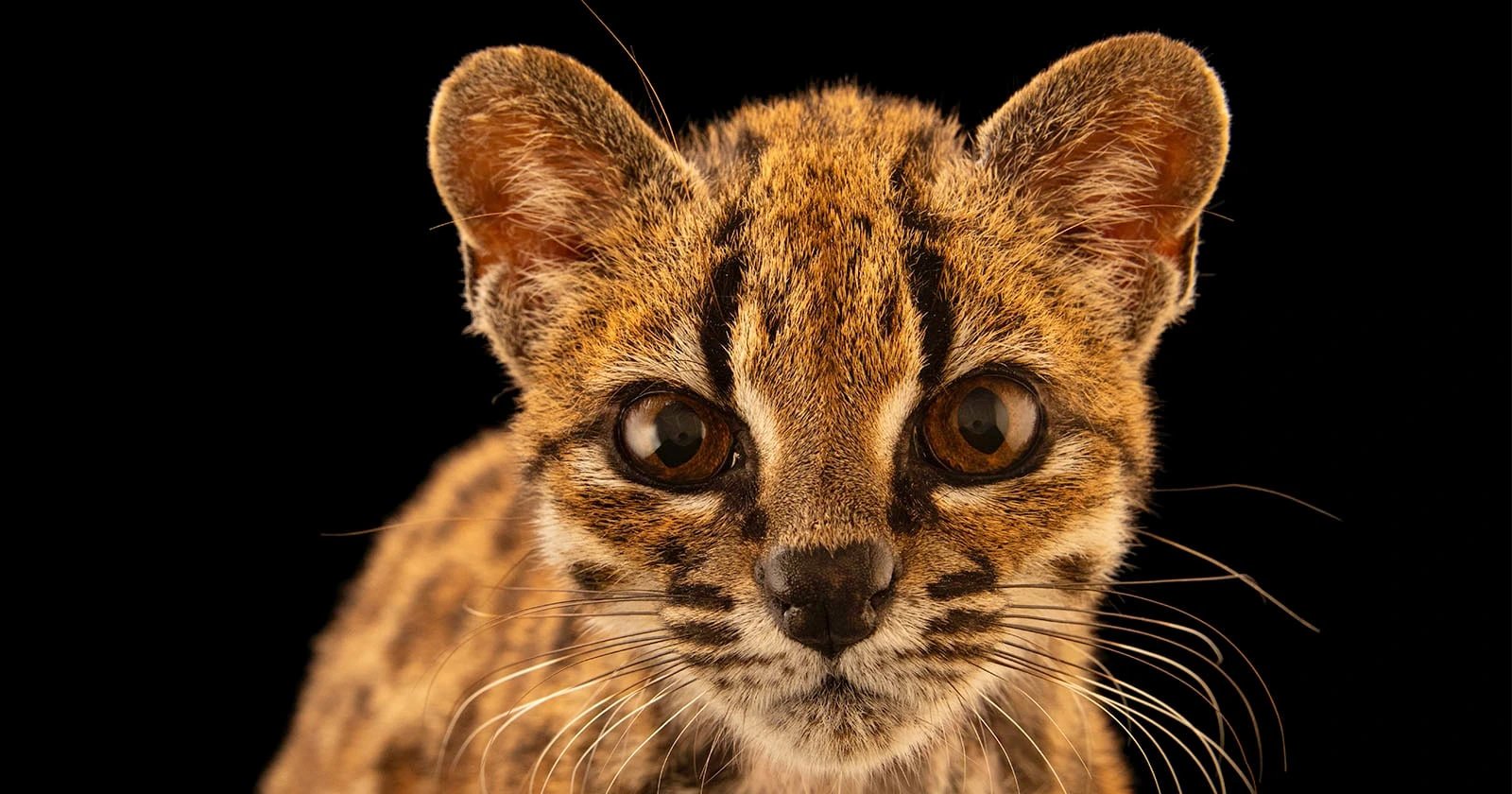
Scientists have identified a new species of wild cat, Leopardus tilcayo, in the cloud forests of Bolivia's Yungas region. The discovery, published in Current Biology on September 17, 2026, marks the first new living cat species described in over a century. Genetic analysis of 38 Leopardus specimens confirmed the species diverged from other tiger cats about 1.4 million years ago.
Key Facts
- Leopardus tilcayo is the first new living cat species described since the pampas cat in 1923.
- The species measures about 46 cm in length and weighs approximately 1.4 kg, smaller than an average domestic cat.
- Genetic analysis of 38 Leopardus specimens showed that tiger cats comprise five distinct species, not one or two as previously thought.
- The tilcayo lineage diverged from other tiger cats approximately 1.4 million years ago.
- A new subspecies, Leopardus tigrinus antisuyo, was also identified in Peru's Yungas region.
Discovery and Naming
The first specimen was found by a local resident on a road near the forest in 2015 and taken to the Senda Verde wildlife sanctuary in 2016. Researchers initially classified the animal as Leopardus tigrinus, but morphological differences, particularly the size of rosettes on its coat, raised doubts. The species was officially named Leopardus tilcayo, preserving the local name used by communities in the region. National Geographic explorer Paola Nogales-Ascarrunz described the cat's fur as light brown with distinct, irregularly shaped spots. The study was published in Current Biology on September 17, 2026.
Genetic Evidence
Researchers compared complete genomes of 38 Leopardus individuals collected across South America. The analysis revealed that tiger cats are not a single species but five genetically distinct species. The tilcayo lineage diverged from other tiger cats about 1.4 million years ago, a distance comparable to that between modern lions and extinct cave lions. Evolutionary biologist Jonas Lescroart described tiger cats as 'cryptic species' that are nearly impossible to distinguish visually.
Ecology and Conservation
Camera-trap recordings indicate that tilcayo is primarily nocturnal. Fecal samples contained small rodent remains, suggesting rodents form the basis of its diet. Only two specimens are known: one in captivity and one photographed in the wild. The species inhabits the Yungas ecoregion on the eastern slopes of the Andes in Bolivia, with a limited range. Researchers emphasize the need to prioritize conservation of this newly identified population.
24 sources
Time · lag behind first