
Scientists identify first new penguin species in over 100 years
This digest was compiled by AI from multiple sources — links to the originals are below.
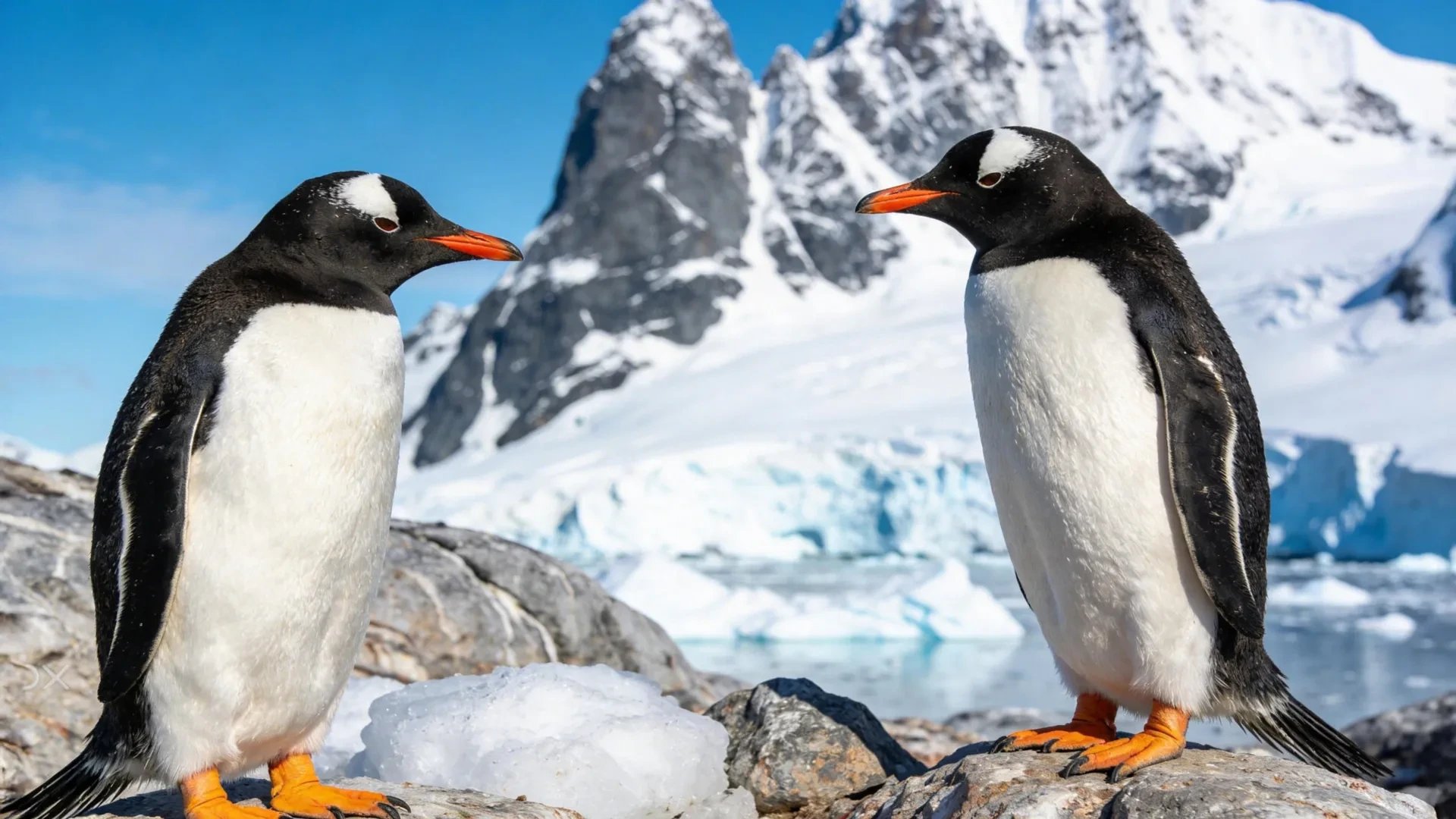
An international team led by researchers in Chile and at the University of California, Berkeley has identified a new gentoo penguin species on the Kerguelen Islands. The species, named Pygoscelis kerguelensis, is the first new penguin species described in more than a century. The findings were published in Communications Biology.
Key Facts
- The new species, Pygoscelis kerguelensis, lives on the Kerguelen Islands, nearly 2,000 miles from any permanently inhabited landmass.
- Genetic evidence shows that what was once considered a single gentoo penguin species is actually four separate species.
- Three gentoo populations previously classified as subspecies are now recognized as full species.
- The southern gentoo, Pygoscelis ellsworthi, is the only one of the four that lives in Antarctica.
- Juliana Vianna, a senior author of the paper, said conservation institutions in all involved countries should take action to save the three gentoo penguin species.
Cryptic Species Discovery
The newly recognized southeastern gentoo penguin closely resembles other gentoos, with the familiar white underside and black back. Apart from subtle differences in body size and vocalizations, it is genetically distinct. Scientists call this type of organism a cryptic species, meaning it looks very similar to related species despite having significant genetic differences.
Climate Vulnerability
Two of the other newly defined species could also be vulnerable as global warming reshapes the Antarctic and sub-Antarctic regions where they live. Climate projections suggest the southern gentoo, Pygoscelis ellsworthi, may be affected relatively little and could even expand its range. Juliana Vianna said the gentoo is of most concern in the sub-Antarctic region, an area of widely separated islands north of Antarctica governed by numerous countries, including Chile, South Africa, France, the Netherlands, Australia and New Zealand.
1 source
Time · lag behind first