
SCO and BRICS Summits Offer Contrasting Visions of Global Order
This digest was compiled by AI from multiple sources — links to the originals are below.
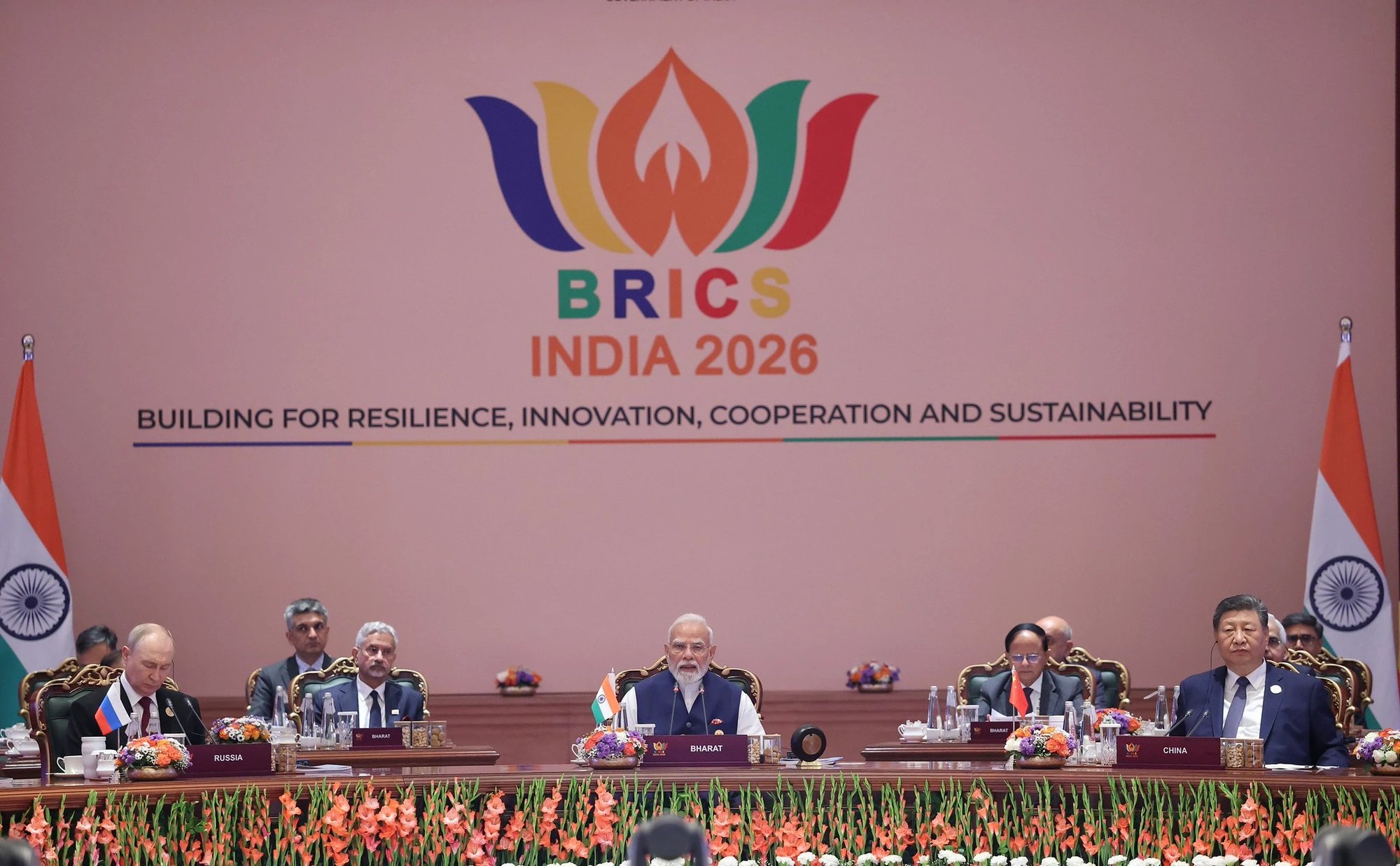
The SCO summit in Bishkek and the BRICS summit in New Delhi concluded with declarations that diverged on the Iran conflict. The SCO condemned military strikes against Iran, while BRICS called for restraint without naming the United States. The upcoming Trump-Xi meeting on September 24 reflects a shift toward power-driven bilateralism.
Key Facts
- The SCO's Bishkek Declaration condemned military strikes against Iran, stating they violate international law.
- The BRICS New Delhi Declaration expressed deep concern over escalating tensions but did not name the United States.
- The Trump-Xi summit is scheduled for September 24 on the sidelines of the UN General Assembly.
- The APEC Summit will take place in China in November, followed by the G20 Summit hosted by the United States in December.
Contrasting Declarations
The SCO's Bishkek Declaration explicitly condemned military strikes against Iran, calling them a violation of international law and a risk to peace and security. In contrast, the BRICS New Delhi Declaration expressed deep concern over escalating tensions but avoided naming the United States. The BRICS statement called for maximum restraint, protection of civilians, and respect for sovereignty and territorial integrity. The SCO has traditionally offered a more anti-Western worldview compared to the non-Western worldview of BRICS.
Summit Season Dynamics
The SCO summit in Bishkek concluded at the start of September, followed by the BRICS summit in New Delhi last week. This week's UN General Assembly meeting is likely to be overshadowed by the Trump-Xi summit on September 24. Before the year's end, the APEC Summit will take place in China in November, and the United States will host the G20 Summit in December. The Trump administration favors power over principle, preferring bilateral interactions between great powers.
1 source
Time · lag behind first