
Kazakhstan's copper industry needs new investment cycle to shift from raw exports to domestic processing
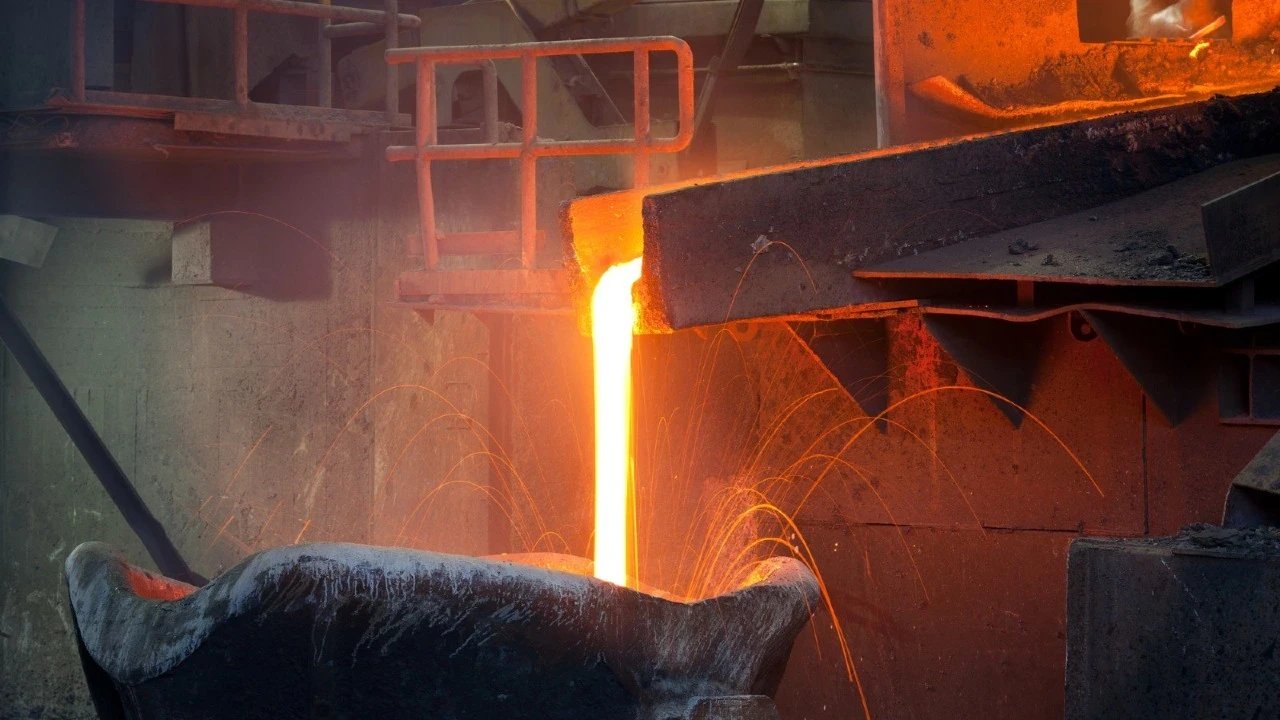
This digest was compiled by AI from multiple sources — links to the originals are below.
Kazakhstan's copper industry requires a new investment cycle to modernize Soviet-era smelting capacity and build domestic processing of copper concentrate. President Kassym-Jomart Tokayev has repeatedly called for high-value-added clusters in the mining and metals sector, which accounts for about 8% of the economy. Manufacturing output rose 9% to 18.8 trillion tenge in January–July 2026, with its share of industrial production reaching 46.7%, exceeding mining's 45.8%.
Key Facts
- Kazakhstan exported about 1.42 million tonnes of copper ores and concentrates worth more than $2.8 billion in 2025.
- Manufacturing output reached 18.8 trillion tenge in January–July 2026, up 9% year-on-year.
- Manufacturing's share of industrial production rose to 46.7%, exceeding mining's 45.8%.
- The Balkhash copper smelter produced its first blister copper in 1938, and the Zhezkazgan copper smelter was commissioned in the 1970s.
- President Tokayev identified high-value-added output as a key reserve for the mining and metals sector, which accounts for about 8% of Kazakhstan's economy.
Export Structure and Lost Value
In 2025, Kazakhstan exported about 1.42 million tonnes of copper ores and concentrates worth more than $2.8 billion. Subsequent processing stages—smelting, refining, and extraction of commercially valuable by-products—take place in other economies. The location of concentrate processing determines where associated components are extracted and where related added value is created. Copper concentrate can contain gold, silver, selenium, tellurium, and other valuable components depending on the deposit.
Aging Smelting Infrastructure
Kazakhstan's main copper smelting capacities were built during the Soviet period. The Balkhash copper smelter produced its first blister copper in 1938. The Zhezkazgan copper smelter was commissioned in the 1970s. These plants have undergone repairs and modernization of individual technological sections over the decades.
Policy Shift Toward High-Value Processing
In his 2023 Address, President Kassym-Jomart Tokayev called for a focus on deep metal processing, heavy machinery, and auto components. In his 2025 Address, Tokayev again highlighted the mining and metals complex, which accounts for about 8% of Kazakhstan's economy. Tokayev named high-value-added output as one of the sector's key reserves. Manufacturing output reached 18.8 trillion tenge in January–July 2026, up 9% year-on-year. Manufacturing's share of industrial production rose to 46.7%, exceeding mining's 45.8%.
2 sources
Time · lag behind first