
StanChart sees oil built for sharper, more frequent price spikes
This digest was compiled by AI from multiple sources — links to the originals are below.
Standard Chartered analysts forecast oil prices will remain vulnerable to sharper, more frequent spikes through the third quarter amid the US-Iran conflict stalemate. Brent crude traded at $103.58 and WTI at just over $98 on Friday morning after hitting nearly $110 per barrel on Thursday. The bank expects middle distillate strength to continue, with diesel, gasoil and jet outperforming gasoline.
Key Facts
- Brent crude hit nearly $110 per barrel on Thursday, the first time since July, before easing to $103.58 by Friday morning.
- Standard Chartered forecasts oil averaging $77.50 a barrel in 2027 on returning demand and the need to refill strategic reserves.
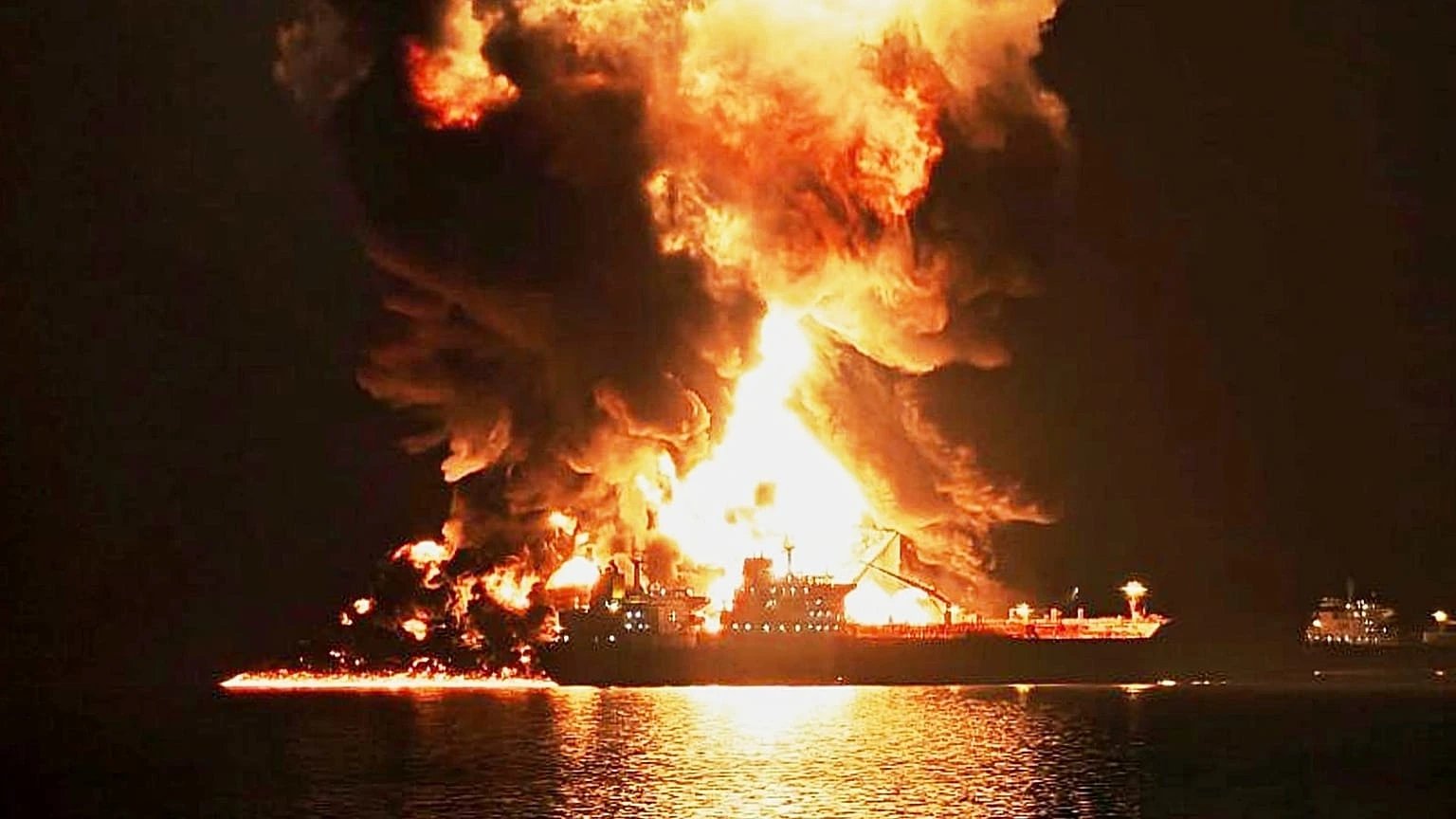
- The IRGC claimed on Wednesday it attacked and heavily damaged eight oil tankers and two U.S. Navy destroyers in the Strait of Hormuz, a claim CENTCOM denied.
- U.S. President Donald Trump said the war is unlikely to end before the November midterm elections, while advisors warned it could last the rest of his term.
Price Spike Forecast
Standard Chartered analysts predict the sharp oil price gyrations on headlines will continue through the third quarter amid the US-Iran conflict stalemate. The bank sees oil markets remaining vulnerable to price spikes because progressively less spare capacity, inventory and logistical slack is available when multiple disruptions occur simultaneously. StanChart says the price implication is increasingly asymmetric, with a market characterized by more frequent and sharper upside price spikes, even if rallies are subsequently faded. The upside tail is getting fatter, with volatility commanding a greater premium.
Middle Distillate Strength
StanChart says middle distillates remain extremely strong, with some venues under extreme stress as heat and drought compound logistical bottlenecks. The bank expects the strength in middle distillate cracks to continue, with diesel, gasoil and jet outperforming gasoline. Expectations that the conflict keeps dragging on are pushing some of that strength into longer-dated contracts, StanChart says.
China Demand and APPEC
The 42nd annual APPEC conference in Singapore concluded on Thursday, with market participants increasingly positioned for a prolonged Middle East conflict. According to StanChart, China’s rebounding appetite for crude imports and its ability to redirect refined product supplies to tight Asian markets has emerged as an important source of flexibility in global oil flows. Consumers are placing greater value on optionality across crude grades, suppliers, refining configurations and product sources after repeated disruption reshaped trade flows.
1 source
Time · lag behind first