
Volcanologists See Path to Forecasting Eruptions Like Weather
This digest was compiled by AI from multiple sources — links to the originals are below.
Volcanologists believe better understanding of underground physics could one day allow forecasting volcanic eruptions with weather-like precision. The 1991 Pinatubo eruption killed over 800 people despite a last-minute evacuation based on a rapid geological assessment. Advances in instrumentation, machine learning, and magmatic plumbing knowledge have since improved the field.
Key Facts
- The 1991 eruption of Mount Pinatubo in the Philippines killed more than 800 people, mainly due to roof collapses from rain-saturated ash.
- About 250,000 people lived in the volcano's shadow across multiple cities and a US Air Force base.
- Scientists from the US and the Philippines deployed instruments in April 1991 that tracked the volcano's inner tumult.
- An evacuation was ordered in early June 1991, just days before the cataclysmic eruption on June 12.
- Mike Poland is the current scientist in charge at the US Geological Survey's Yellowstone Volcano Observatory.
Pinatubo Eruption
In the summer of 1991, Pinatubo, a volcano in the Philippines, self-destructed. The eruption started on June 12 and culminated three days later in a tremendous explosion. Pyroclastic flows tumbled down the slopes after the peak was obliterated and replaced by a 2.5-kilometer-wide chasm. The eruption killed more than 800 people, mainly because roofs weighed down by rain-saturated ash collapsed. About 250,000 people lived in the volcano's shadow across multiple cities and a sprawling US Air Force base.
Forecast Limitations
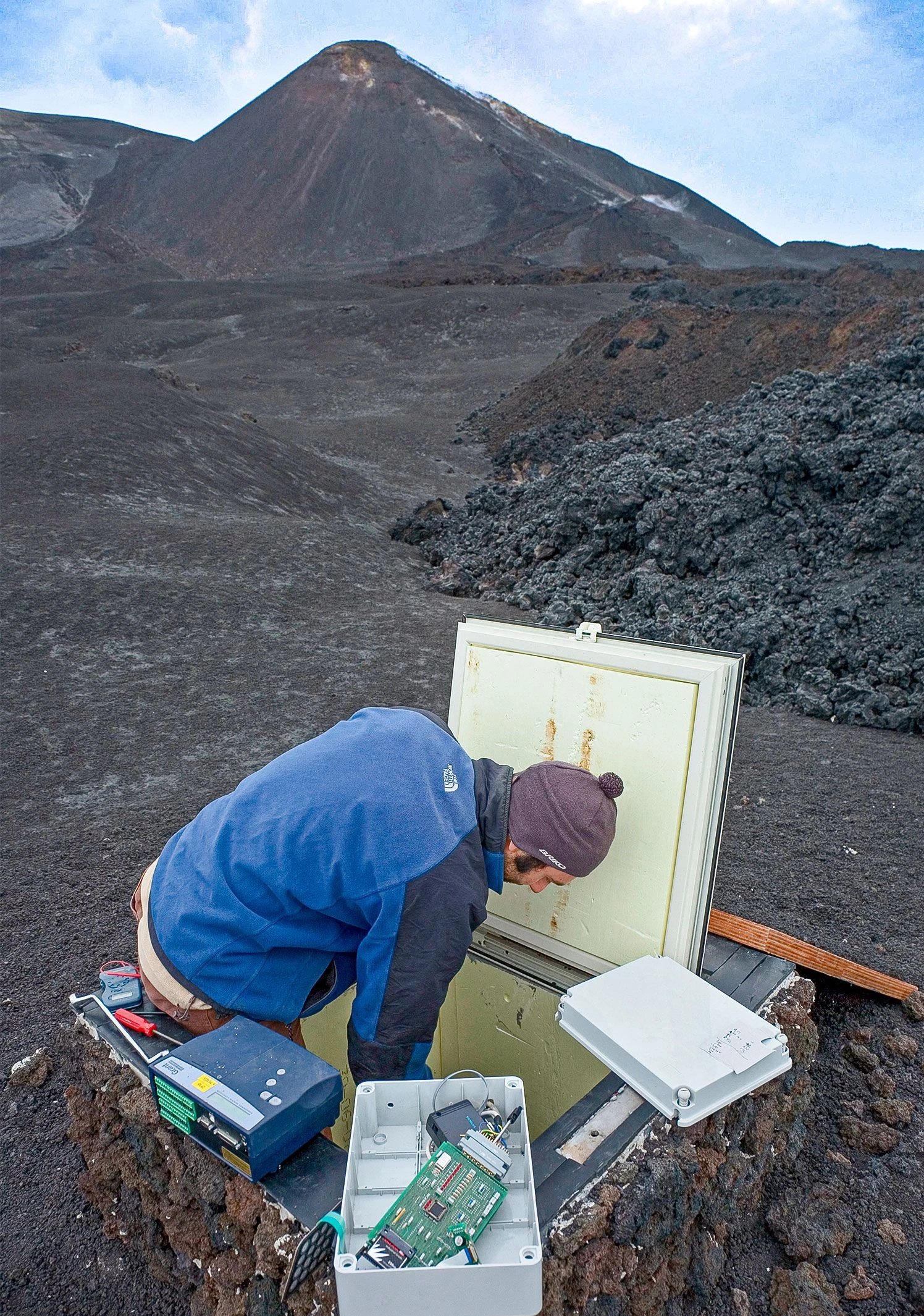
When Pinatubo started convulsing and belching steam in April 1991, scientists from the US and the Philippines deployed an array of instruments that tracked the volcano's inner tumult. Mike Poland, current scientist in charge at the US Geological Survey's Yellowstone Volcano Observatory, said the rapid geological assessment indicated the volcano only erupts big. By early June, ash and lava were escaping Pinatubo's flanks, and an evacuation was ordered just a few days before the cataclysmic hammer fell. The scientists' forecast was more of an educated guess than it might have appeared, nothing like a weather forecast. They could not say with certainty that an explosive eruption would occur on June 12, nor predict the evolution of that eruption.
Advances in Volcanology
Volcanology has made great leaps since Pinatubo blew its top. Instrumentation is more advanced, machine learning has made interpreting data far more efficient, and scientists have a much better understanding of the magmatic plumbing that drives volcanism. These advances prompted the author, a professionally trained volcanologist, to wonder how close we are to forecasting volcano behavior the way we forecast the weather.
1 source
Time · lag behind first