
New Zealand kākāpō population reaches 325 after 90 chicks added
This digest was compiled by AI from multiple sources — links to the originals are below.
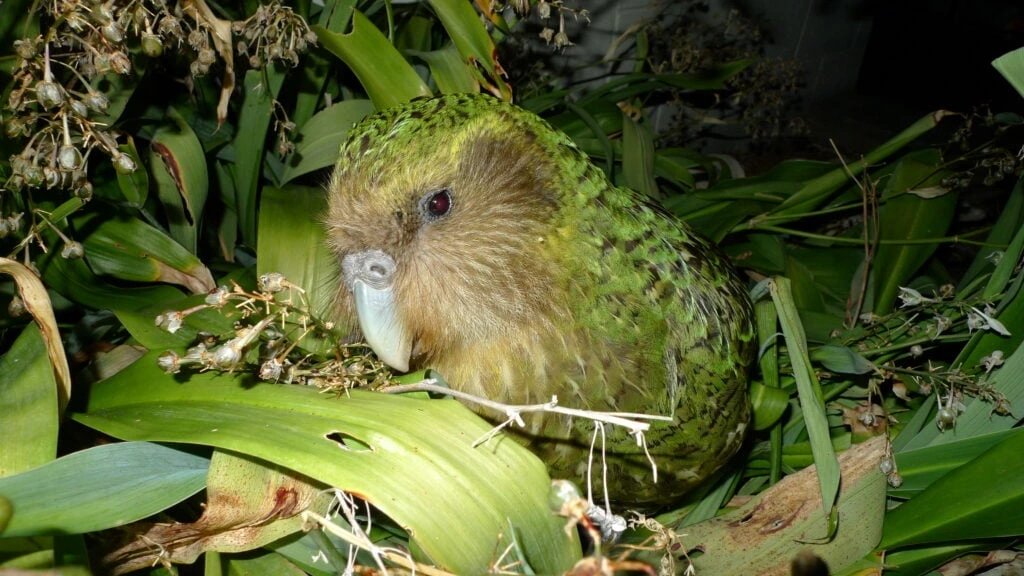
New Zealand's kākāpō population reached 325 birds on 1 September 2026 after the Department of Conservation added 90 chicks from the 2026 breeding season. The species remains critically endangered despite the record high for the recovery era.
Key Facts
- The kākāpō population reached 325 birds on 1 September 2026, a record high for the recovery era.
- The Department of Conservation added 90 chicks from the 2026 breeding season to the official tally.
- In 1995, the entire known kākāpō population was 51 birds, including only 20 females.
- The species remains critically endangered despite the population increase.
Recovery Programme Origins
The Kākāpō Recovery Programme began in 1995 when the population had fallen to 51 birds, 31 males and 20 females, spread across offshore islands. The 20 females represented the entire reproductive future of the species, each carrying irreplaceable genetic variation. Earlier work had moved birds to offshore sanctuaries because introduced predators on the mainland made survival untenable. The island strategy is triage, not restoration of former range: birds live under permanent management with staff tracking individuals and intervening in nests.
Breeding Season Dynamics
Kākāpō do not breed every year; nesting is tied to heavy fruiting of native trees, so breeding seasons arrive in pulses. The Department of Conservation counts 13 breeding seasons since the programme began in 1995, meaning 13 chances in 31 years. The 2026 season delivered 90 chicks, and DOC formally added them to the population count on 1 September, lifting the official figure to 325. The birds live across three breeding populations: Whenua Hou (Codfish Island), Pukenui (Anchor Island), and Te Kāhaku (Chalky Island).
1 source
Time · lag behind first